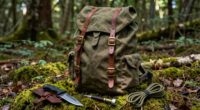
As a beginner forager, you often make mistakes like rushing into plant ID without proper knowledge, confusing safe plants with toxic look-alikes, or harvesting outside the right season. Ignoring local rules and harvesting on private land can cause legal issues, while trying to learn too many plants at once can be overwhelming. Starting small, respecting regulations, and focusing on key safety practices will help you build confidence and avoid common pitfalls. Keep exploring to gain a clearer understanding.

Get garden gear delivered free — and shop member deals
- Fast, free delivery on millions of items
- Access to Prime Big Deal Days deals on October 6–7
- Prime Video, Amazon Music and more included
Key Takeaways
- Rushing plant identification without proper knowledge or using unreliable sources.
- Harvesting plants outside their seasonal peak, leading to poor flavor or toxicity.
- Foraging on private land or ignoring local regulations, risking legal issues.
- Trying to identify too many plants at once, without mastering basic species first.
- Overlooking safety practices, responsible harvesting, and ecosystem sustainability.

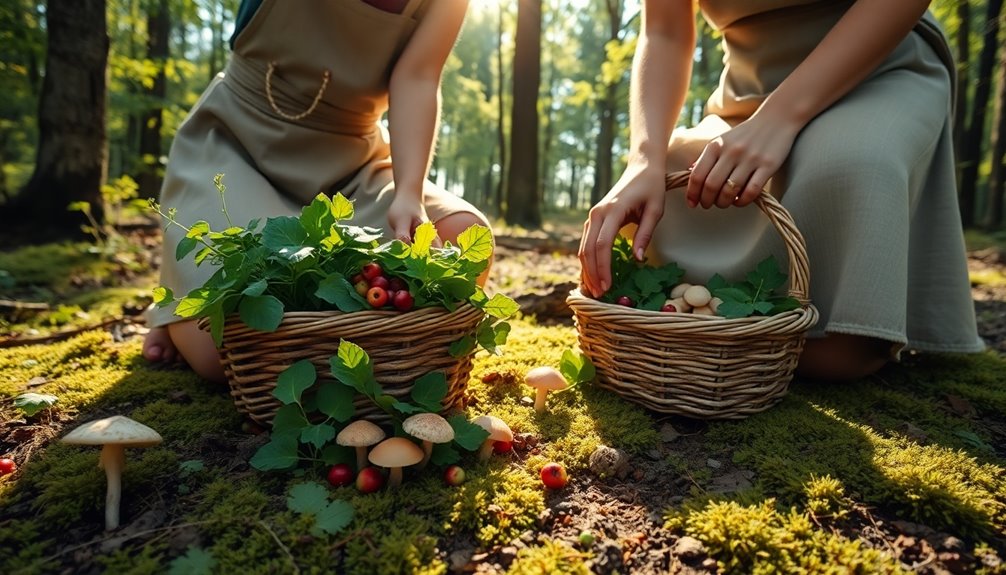
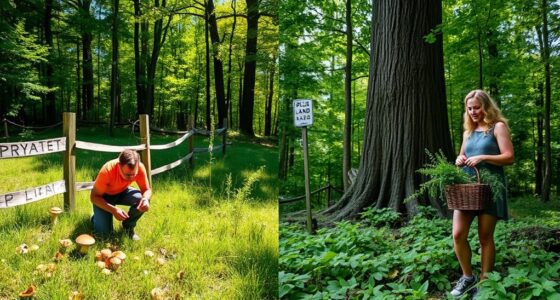
Getting started with foraging can be exciting, but beginners often make common mistakes that can be dangerous or just lead to poor harvests. One of the most frequent errors is rushing into wild edible identification without proper knowledge. It’s tempting to pick the first plant that looks familiar, but many edible plants have look-alikes that are toxic. For example, mistaking a harmless wild onion for a deadly lily can have serious consequences. To avoid this, you should learn to identify plants carefully, paying attention to key features like leaf shape, smell, and growth patterns. Using a reliable field guide or joining a foraging class can help you distinguish between safe and dangerous plants. Remember, wild edible identification isn’t just about recognizing the plant — it’s about understanding its specific characteristics and differences from similar, non-edible species. Developing a solid understanding of edible plant identification is crucial for safe foraging. Seasonal foraging tips are equally important to guarantee your harvest is safe and sustainable. Many beginners overlook the importance of timing, which can lead to either missing out on peak flavors or harvesting when plants aren’t yet ripe. For instance, certain wild berries are only ripe in late summer, and gathering them too early can result in bitter, unripe fruit. Conversely, some plants become toxic if left to over-ripen. Knowing when specific plants are in season helps you plan your foraging trips and maximizes your chances of a successful, safe harvest. It also promotes sustainable foraging practices, like only taking what you need and leaving enough to allow the plants to regenerate. Seasonal tips also include knowing which plants are available during different times of the year, so you don’t waste time searching for something that isn’t in season. Many beginners make the mistake of foraging without considering local regulations or private property rights, which can lead to legal trouble. Always check local rules before harvesting wild plants and seek permission if needed. This not only keeps you on the right side of the law but also encourages responsible foraging. Additionally, don’t forget to start small. Focus on a few plants you can confidently identify, and gradually expand your knowledge. Rushing into harvesting a wide variety of plants without proper understanding often results in confusion and potential health risks. Patience and education are key. By paying close attention to wild edible identification, respecting seasonal changes, and following local guidelines, you can enjoy foraging safely, sustainably, and with confidence. It’s also helpful to learn about foraging safety tips to further reduce risks and ensure a positive experience.
As an affiliate, we earn on qualifying purchases.
Frequently Asked Questions
How Can I Identify Edible vs. Poisonous Plants Accurately?
To identify edible versus poisonous plants accurately, focus on plant identification skills and always prioritize foraging safety. Learn key features like leaf shape, flower structure, and growth patterns through trusted guides or local foraging groups. Never consume a plant unless you’re 100% sure of its identification. When in doubt, consult experts or reference reliable sources. Remember, cautious foraging and thorough identification are essential to avoid dangerous mistakes.
What Tools Are Essential for Safe Foraging?
A stitch in time saves nine—so, for foraging safety, invest in essential tools like a sharp knife, a basket, and a field guide. Keep your tools well-maintained for accurate identification and to avoid accidents. A pair of gloves can protect your hands, and a small scissors or pruning shears help with harvesting. Regularly clean and store your tools properly to guarantee they stay effective, making your foraging both safe and enjoyable.
How Do Seasonal Changes Affect Plant Availability?
Seasonal variations substantially impact plant availability, so you’ll notice different plants thriving at various times of the year. In spring, you’ll find fresh greens and blossoms, while summer offers berries and herbs. As fall arrives, root vegetables and hardy greens become abundant. Winter’s cold reduces plant abundance, but some hardy varieties still grow underground. By understanding these seasonal changes, you can plan your foraging trips to harvest the best, most abundant plants throughout the year.
Are There Legal Restrictions on Foraging in Public Areas?
You should know that foraging permits are often required, especially in protected parks or reserves. While public areas might seem open, many are private property or have restrictions, so always check local regulations before you start. It’s easy to overlook rules, but respecting landowners and obtaining necessary permits guarantees you forage responsibly. Ignoring these rules can lead to fines or other penalties, so stay informed and legal.
How Can I Ensure Sustainable Foraging Practices?
To guarantee sustainable foraging practices, focus on wildlife conservation and ethical harvesting. Always harvest in moderation, taking only what you need and leaving enough for wildlife and plant regeneration. Educate yourself about native species and their roles in ecosystems. Avoid damaging plants and habitats, and support local conservation efforts. By practicing responsible foraging, you help preserve ecosystems and ensure that future foragers can enjoy the bounty too.
Conclusion
Avoiding common beginner mistakes can be the difference between a rewarding foraging trip and a dangerous one. Imagine confidently picking wild berries, only to realize too late they’re toxic — the regret hits hard. By learning proper identification, respecting nature’s cues, and starting slow, you’ll build skills that keep you safe and inspired. Remember, every forager makes mistakes, but each one is a step toward mastery. Stay curious, cautious, and patient on your journey.
Fall Picks
fall essentials
As an affiliate, we earn on qualifying purchases.