To start foraging safely, gather essential tools like sharp scissors, a small knife, breathable baskets, and a reliable plant guide or app. Learn to identify safe, edible plants by observing their habitat, leaves, and smells while being cautious of look-alikes. Practice responsible harvesting by only taking what you need and respecting nature. Keep detailed records of your finds, including photos and locations. If you want to build confidence and explore more, there’s plenty to discover beyond the basics.

Get garden gear delivered free — and shop member deals
- Fast, free delivery on millions of items
- Access to Prime Big Deal Days deals on October 6–7
- Prime Video, Amazon Music and more included
Key Takeaways
- Equip yourself with a reliable field guide or plant identification app to accurately recognize edible plants.
- Use sturdy, clean tools like scissors, a small knife, and breathable baskets for safe harvesting and storage.
- Learn seasonal plant availability and habitats to target safe, abundant foraging times and locations.
- Practice responsible foraging by harvesting only what’s needed, respecting wildlife, and following local regulations.
- Keep detailed records and photos of each find to ensure proper identification and safety during future foraging.
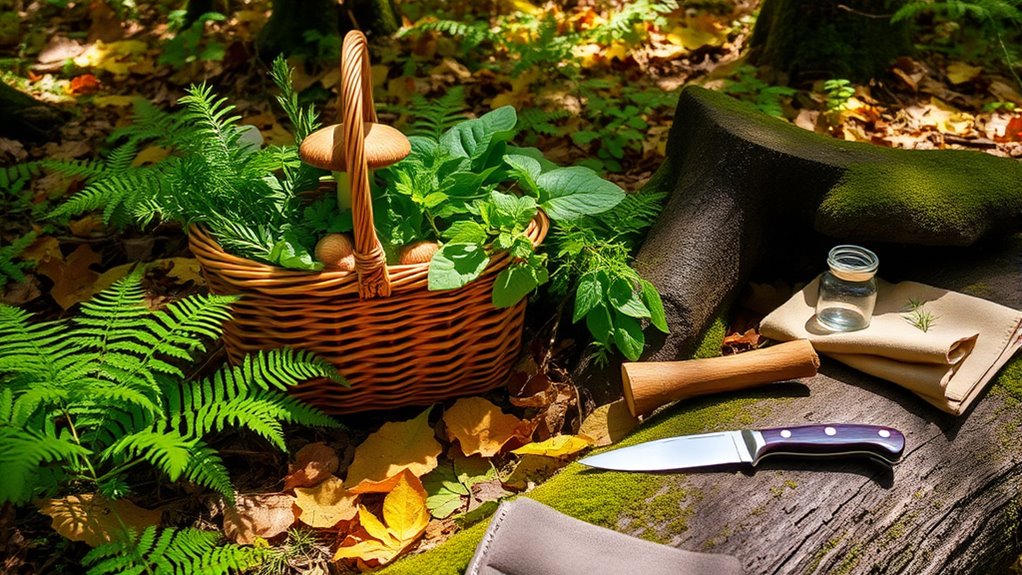
foraging toolkit with scissors and small knife
As an affiliate, we earn on qualifying purchases.
As an affiliate, we earn on qualifying purchases.
Essential Tools for Foraging Beginners
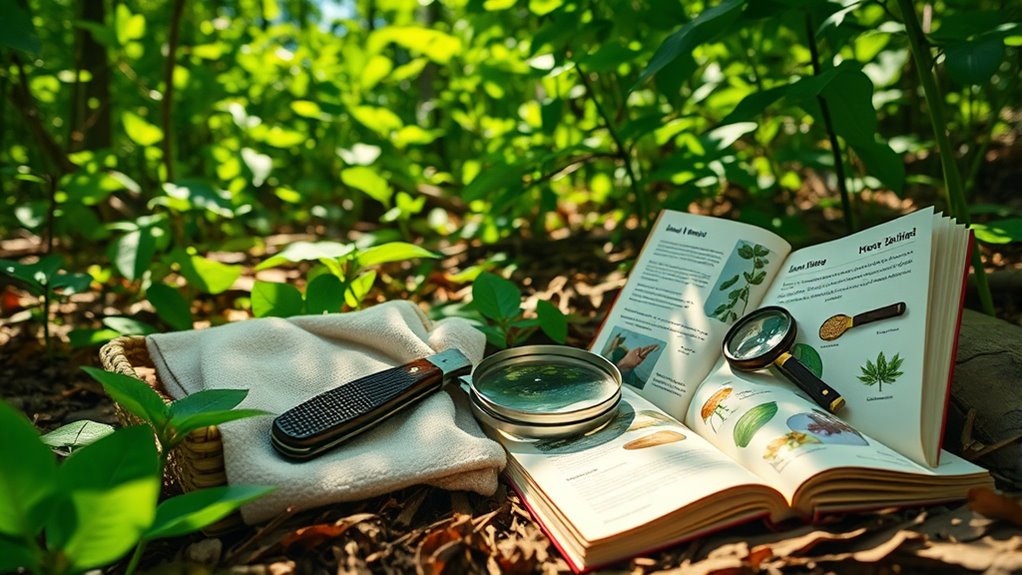
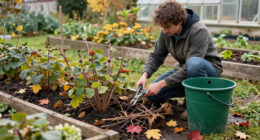
When starting out in foraging, having the right tools can make all the difference. A sturdy pair of scissors or pruning shears helps you harvest plants cleanly and efficiently, reducing damage to the environment. A small knife is essential for wildcrafting techniques, allowing you to carefully extract roots or trim plants. A woven basket or mesh bag keeps your foraged items secure and ensures good air circulation. Don’t forget a field guide or plant identification app to confirm your finds. Following foraging community guidelines helps protect local ecosystems and promotes sustainable harvesting. Keep your tools clean and sharp to prevent plant contamination and make your foraging safer and more effective. With these tools, you’re well on your way to foraging confidently and responsibly.
Identifying Safe and Edible Plants
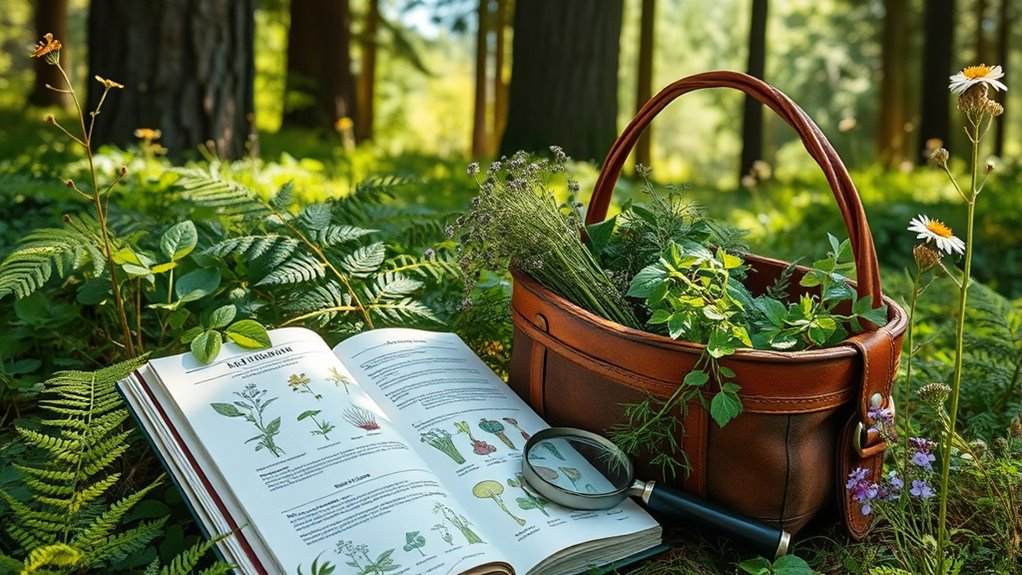
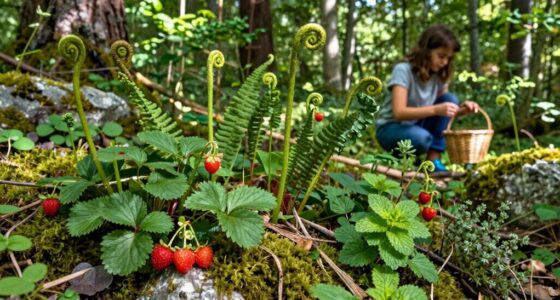
To safely enjoy foraging, you need to confidently identify which plants are edible and which are not. Start by observing plant habitats; many edible plants thrive in specific environments, like woodland edges or meadows. Pay attention to details such as leaf shape, color, and smell, which help distinguish safe options. Be cautious of toxic look-alikes—plants that resemble edible varieties but contain harmful substances. Learning key identifying features reduces the risk of confusion. Use reputable field guides or apps to cross-check plants you find. Remember, if you’re ever unsure, it’s best to err on the side of caution and avoid consuming unfamiliar plants. Proper identification is the foundation of safe foraging and helps you enjoy nature’s bounty confidently. Additionally, understanding the contrast ratio of your viewing environment can enhance your experience when researching or viewing foraging guides or tutorials online.
Crafting Your Foraging Kit
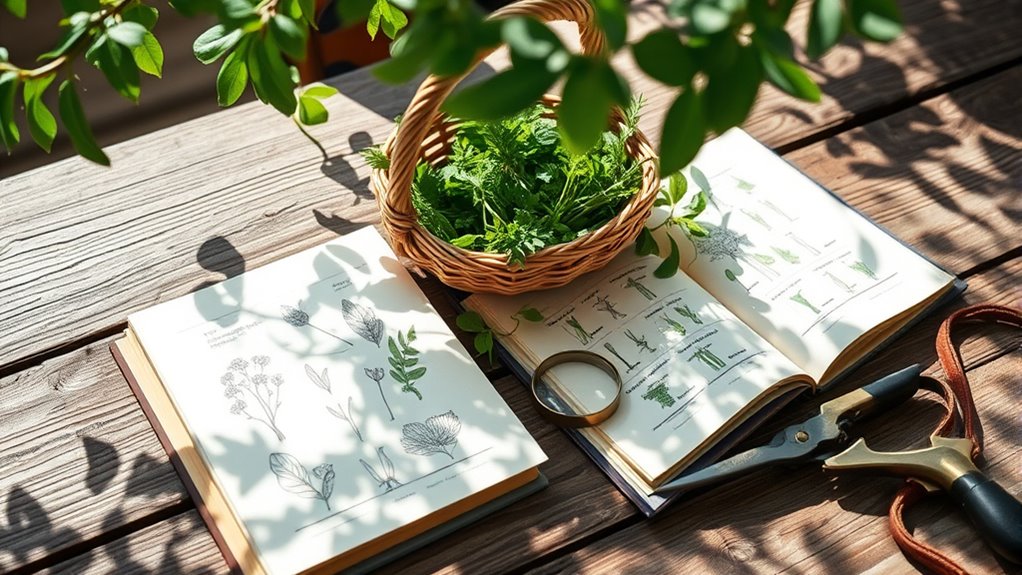
Creating a well-organized foraging kit guarantees you’re prepared for any situation in the field. Your kit should include essentials like a sharp knife, gloves, and a field guide to help with plant preservation. It’s also essential to connect with the foraging community, sharing tools and tips that make foraging safer and more enjoyable. A thoughtful kit boosts confidence and ensures you can identify plants accurately, harvest responsibly, and preserve them properly. Consider this emotional table to remind you of what matters:
| Safety First | Community Support | Plant Preservation |
|---|---|---|
| Sharp tools | Sharing knowledge | Proper drying techniques |
| Gloves for protection | Learning from others | Sustainable harvesting |
| First aid kit | Building friendships | Respectful foraging |
This kit empowers you to forage responsibly while fostering a stronger, more connected community. Incorporating modern heat pump technology can also improve indoor comfort and energy efficiency, making your home more sustainable and reducing environmental impact.
Best Practices for Ethical Foraging
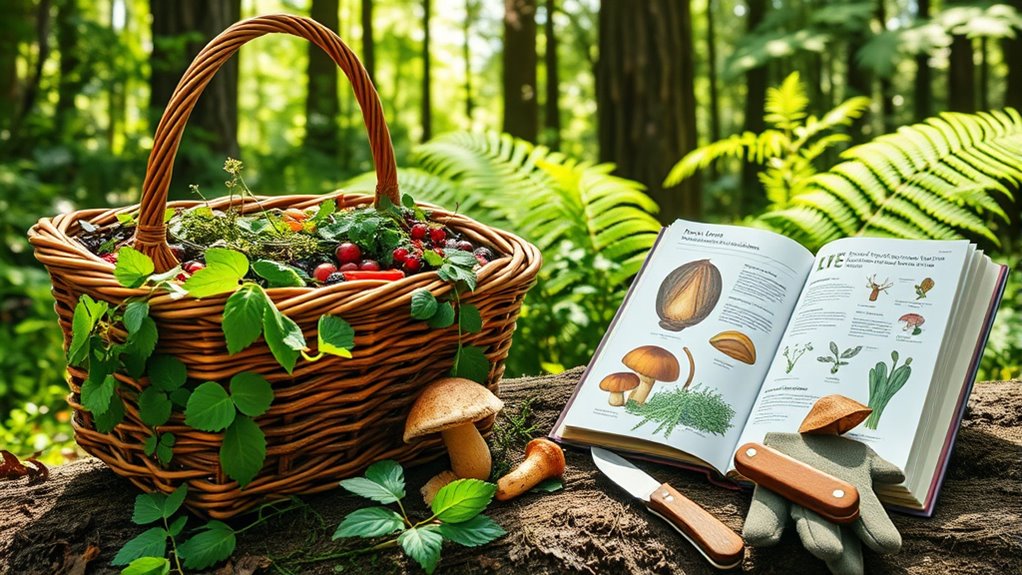
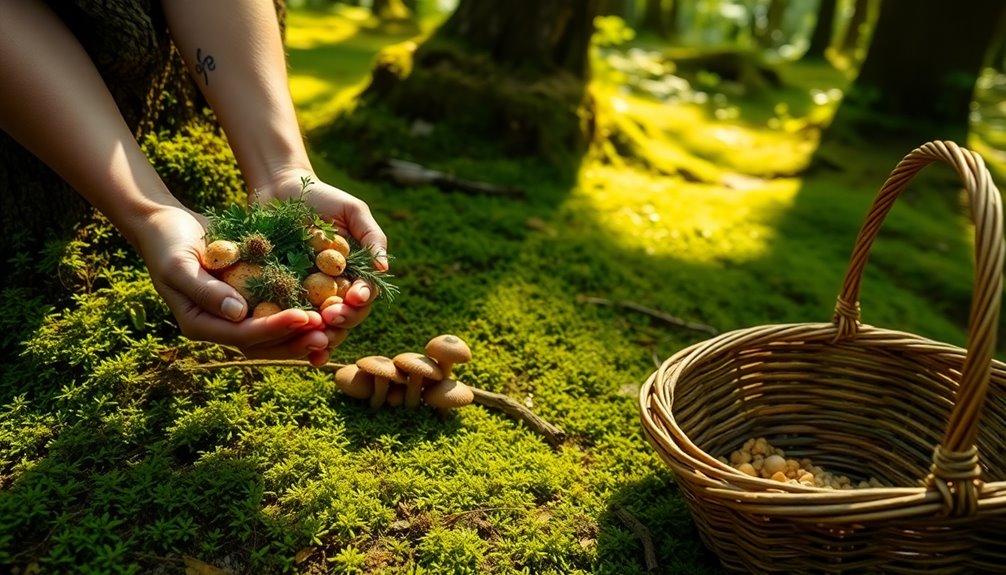
Having the right tools and a well-organized kit sets the foundation for responsible foraging. To practice ethical foraging, focus on sustainable harvesting—collect only what you need, leaving enough for the plant to regenerate and for wildlife to thrive. Respect wildlife by observing animals from a distance and avoiding disturbance to their habitats. Always identify plants accurately to prevent harm from misidentification. Stick to established trails and avoid damaging plant roots or overharvesting in one area. Keep your foraging activities low-impact, and leave no trace of your visit. Remember, ethical foraging isn’t just about following rules; it’s about preserving ecosystems for future generations while enjoying nature responsibly. Incorporating mindful practices ensures a respectful and sustainable foraging experience.
Safety Tips for Wild Foraging
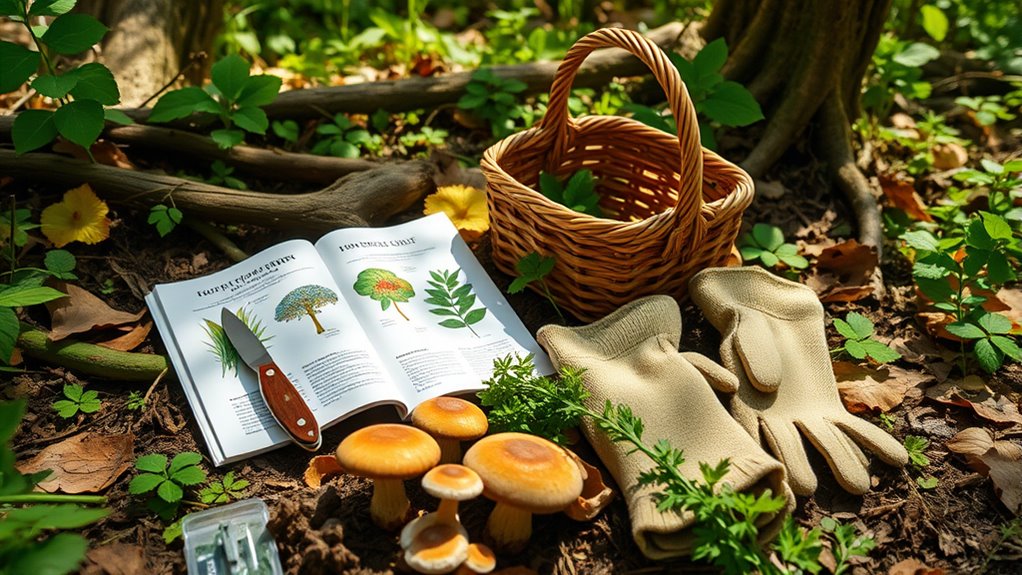
Wild foraging can be an exciting way to connect with nature, but it’s essential to prioritize safety every step of the way. Always learn to identify poisonous plants—mistaking them for edible varieties can be dangerous. Use reliable guides and double-check plant features before harvesting. Additionally, check if you need foraging permits in your area; some locations require them to forage legally and responsibly. Never consume anything you’re unsure about, and avoid foraging in polluted or restricted areas. Respect private property and local regulations to stay safe and avoid legal issues. Carry a first aid kit and know basic treatment for plant-related reactions. Staying cautious and informed guarantees your foraging experience remains safe and enjoyable.
Keeping Records of Your Foraging Finds
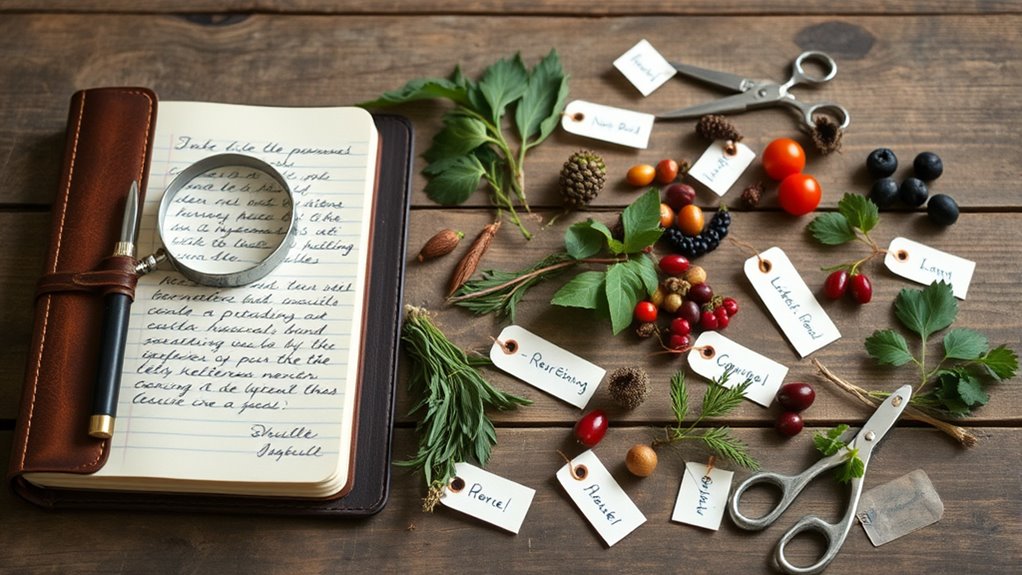
Keeping detailed records of your foraging finds helps you recognize patterns and avoid confusion. Make sure to note identification details like location, date, and appearance, so you can easily identify plants later. Tracking seasonal changes also helps you know the best times to find specific wild edibles. Incorporating exfoliation benefits into your routine can enhance your skin’s texture and glow over time.
Document Identification Details
Ever wonder how to guarantee you can confidently identify and revisit your foraging finds? Keeping detailed records is essential. When you document each plant, note its physical features, location, and date found. Take clear photos from multiple angles to assist with identification later, especially since plant toxicity can vary and misidentification risks are high. Always record whether you have any foraging permits, as regulations differ by region. These details help you avoid dangerous mistakes and ensure you’re harvesting legal and safe plants. Consistent documentation also helps you track seasonal changes and plant availability, making future foraging trips more effective. Proper records build your confidence and create a safe, sustainable foraging practice over time.
Track Seasonal Variations
Tracking seasonal variations in your foraging records helps you understand when specific plants are most abundant and at their peak quality. By noting seasonal plant cycles, you can anticipate the best time to harvest certain species and avoid less productive periods. Maintaining a detailed foraging calendar allows you to compare years and observe patterns, improving your success. Use the table below to log key plants and their peak seasons:
| Plant | Peak Season |
|---|---|
| Wild garlic | Early spring |
| Blackberries | Summer |
| Mushrooms | Fall |
| Dandelions | Spring and early summer |
This practice helps you optimize your foraging, stay safe, and enjoy sustainable harvesting throughout the year. Incorporating nutritional information into your records can further enhance your understanding of the health benefits of the plants you collect.
Resources to Learn More About Edible Wilds
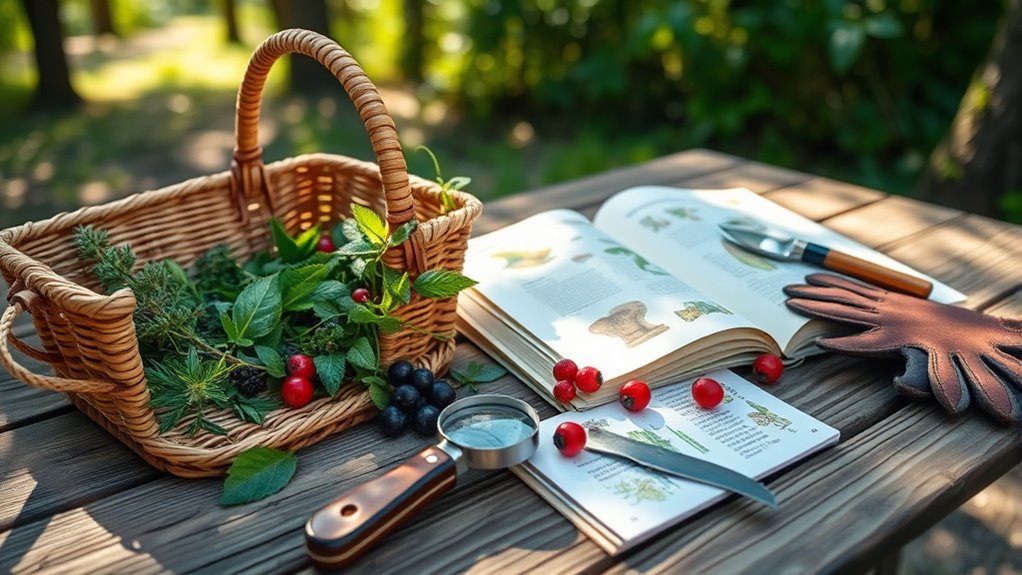
To expand your knowledge of edible wilds, start with reliable field guides that offer clear identification tips. Online resources can also provide up-to-date information, photos, and community insights. Combining these tools helps guarantee you forage safely and confidently. Additionally, understanding local regulations and practicing responsible foraging ensure sustainable harvesting.
Reliable Field Guides
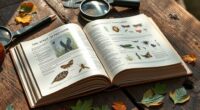
Finding reliable field guides is essential when you’re starting out with foraging, as they provide accurate identification and safety tips. A good guide helps you distinguish edible plants from wild plant myths that can be dangerous. Look for guides that emphasize foraging ethics, encouraging respectful harvesting and conservation. Choose guides specific to your region, as plant varieties vary widely. Visual aids like photos and illustrations are invaluable for quick, confident identification. Avoid relying solely on internet sources; printed guides often undergo rigorous review for accuracy. A comprehensive understanding of regional plant varieties, such as Kia Tuning options, can enhance your knowledge and safety. By using trusted field guides, you reduce the risk of misidentification and promote responsible foraging. Remember, thorough knowledge is key to safe and sustainable wild food gathering.
Online Educational Resources
Are you wondering where to find trustworthy online resources to expand your knowledge of edible wild plants? Here are some top options to get started:
- Wild plant myth busting sites — Learn what’s fact or fiction to avoid dangerous misconceptions.
- Foraging etiquette guides — Understand respectful harvesting practices and environmental impact.
- Educational platforms like Coursera or Udemy — Find courses on botany and wild food identification.
- Wild food forums and communities — Share tips, ask questions, and learn from experienced foragers.
- Exploring astrological traits and compatibility can also provide interesting insights into personal tendencies, which may influence your confidence and approach to foraging.
These resources help sharpen your skills, deepen your understanding of wild plant myths, and promote safe foraging habits. Using reputable online sources guarantees you’re learning accurate information while respecting foraging etiquette.
Frequently Asked Questions
How Can I Tell if a Plant Is Toxic or Safe to Eat?
When figuring out if a plant is safe to eat, focus on plant identification and look for toxicity signs. Pay close attention to leaf shape, color, and smell to distinguish edible from harmful plants. Avoid plants with milky sap, bad odors, or unusual markings. Always cross-reference your findings with reliable guides or experts. If you’re unsure, it’s safest to skip that plant. Precise identification is key to avoiding poisoning.
Are There Any Legal Restrictions on Foraging in Public Lands?
You should always check local regulations before foraging in public lands, as rules vary by area. Many parks and public spaces have restrictions, and you might need permits. Avoid foraging on private property unless you have permission from the owner. Respecting these laws guarantees you’re foraging legally and responsibly. Staying informed helps protect natural resources and prevents potential fines or conflicts with landowners.
What Should I Do if I Suspect Food Poisoning From a Plant?
Imagine biting into what seemed safe, only to feel sudden nausea taking over. If you suspect food poisoning from a plant, don’t panic. Act quickly with first aid—remove any remaining plant, stay hydrated, and avoid inducing vomiting. Seek medical help immediately to ensure proper poison management. Your swift response can make all the difference, so stay alert and prepared for these unexpected moments during your foraging adventures.
How Can I Differentiate Between Similar-Looking Edible and Poisonous Plants?
When differentiating between edible and poisonous plants, focus on plant identification by examining visual cues carefully. Look for unique features like leaf shape, color, and texture, and note any differences from similar plants. Use a reliable field guide or app, and double-check each plant before harvesting. If you’re unsure, it’s safer to avoid consuming it. Trust your observations and always prioritize safety in foraging.
Is It Necessary to Get Professional Training Before Foraging?
You might wonder if professional training is necessary before foraging. While expert guidance and safety certification can greatly reduce risks, it’s often possible to start with proper resources and local foraging groups. However, gaining expert guidance helps you identify plants accurately and avoid dangerous look-alikes. For safer foraging, consider taking a course or working with experienced foragers to build your knowledge and confidence.
Conclusion
As you set out on your foraging adventure, remember that patience and respect are your guiding stars—like Odysseus navigating treacherous waters. Stay curious, stay cautious, and keep learning from nature’s abundant bounty. With each safe find, you’ll unlock a world of flavors and stories waiting to be discovered. Trust your instincts and the knowledge you gather along the way—your journey into wild foraging is just beginning, and the possibilities are endless.
Halloween Picks
halloween
As an affiliate, we earn on qualifying purchases.