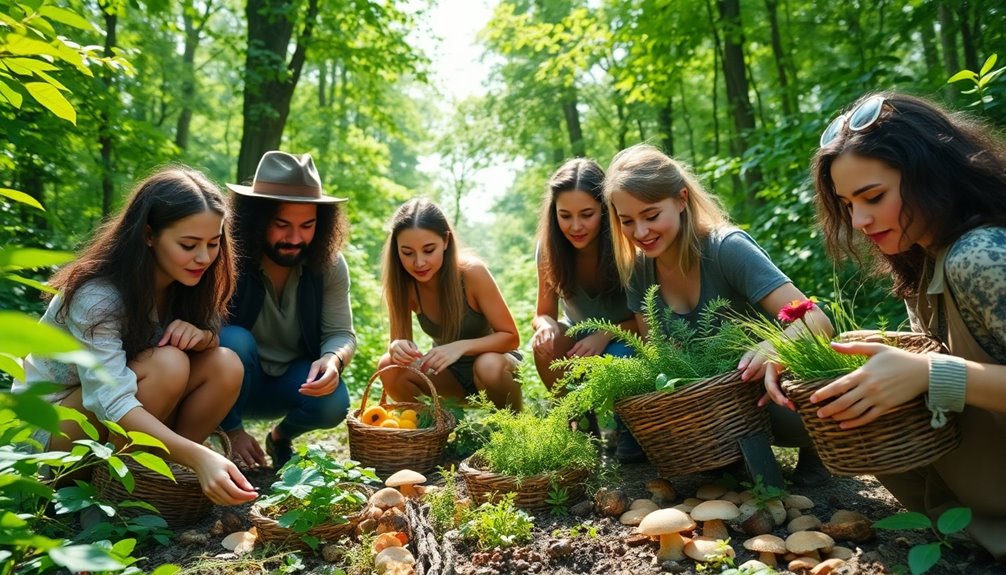
To teach kids safe foraging, set clear rules like staying within designated areas, never touching unknown plants, and not eating anything without adult approval. Use memorable cues, such as leaf shapes or berry markings, to help them identify safe plants confidently. Supervise closely, carry a first aid kit, and remind them that tools like apps can help but are only aids. If you want easy tips to create lasting safety habits, there’s more valuable guidance to explore.
Key Takeaways
- Set clear boundaries and supervise closely to prevent children from wandering off during foraging.
- Teach identification of safe plants using memorable cues, and verify with reliable tools before collection.
- Encourage children to show uncertain plants to an adult immediately, emphasizing safety over curiosity.
- Use fun, engaging methods like games to help kids learn key plant features and safe foraging practices.
- Always carry a basic first aid kit and instruct children on handling minor injuries during outdoor activities.

Have you ever wondered how foraging can become a fun and educational activity for kids? When you introduce children to the outdoors through foraging, you’re opening a door to nature’s wonders and empowering them with skills that last a lifetime. But as exciting as it is, you need to prioritize safety precautions and teach edible identification. These are the foundations that ensure your little explorers enjoy discovery without risking their health.
First, safety precautions are non-negotiable. Before heading out, set clear rules about where kids can and cannot go. Emphasize staying within designated areas and never wandering off alone. Equip yourself with a basic first aid kit, just in case, and make sure children understand how to handle minor cuts or insect bites. Reinforce the importance of not touching or eating anything unfamiliar until you’ve verified it’s safe. Always supervise closely, especially when kids are learning to handle plants or berries. Wearing gloves can add an extra layer of protection, especially since some plants may cause skin irritation. And remind children that if they’re unsure about a plant or mushroom, they should show it to you immediately—never guess or take a risk. Incorporating AI-powered identification tools can further assist in verifying plants accurately, reducing the chance of misidentification.
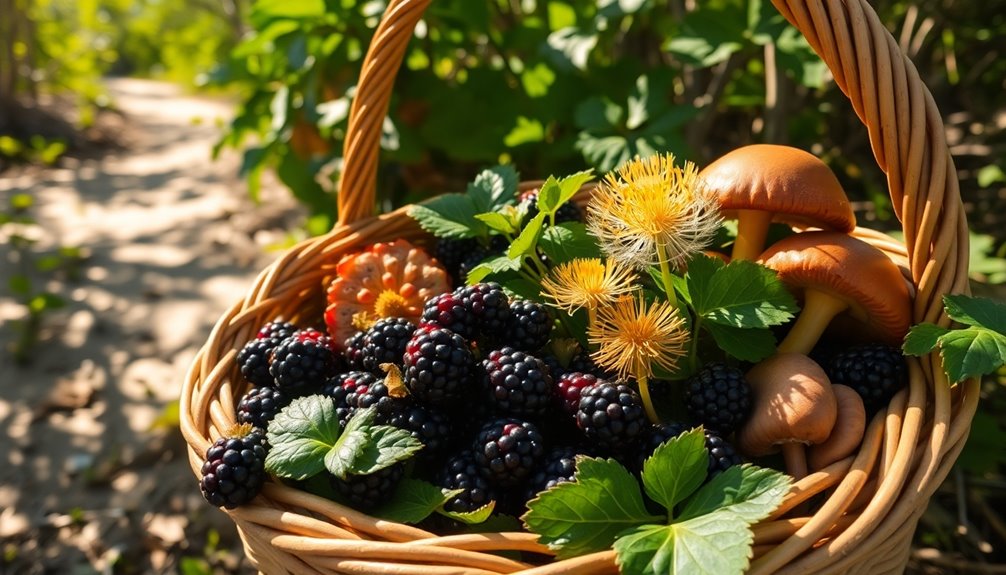
Edible identification is the core skill you want to instill. Teach kids how to recognize safe, edible plants by focusing on key features like leaf shape, color, and smell. Use simple, memorable cues, like how certain berries have unique markings or how some leaves feel different than others. Show them how to compare what they find with reliable field guides or apps, but stress that these tools are only aids—they’re not substitutes for your knowledge. When introducing new plants, start with familiar, safe options like wild berries or herbs, and explain how to distinguish these from look-alikes that could be harmful. Make it a game to identify and collect only what you’re sure about, reinforcing the importance of caution. Encourage curiosity but temper it with respect for the plants. Remind kids that even edible plants can be dangerous if prepared improperly or eaten in excess.
Frequently Asked Questions
How Do I Introduce Foraging Safety to Very Young Children?
You introduce foraging safety to very young children by making it fun and simple. Teach them basic foraging etiquette, like not touching plants without permission, and emphasize safety gear such as gloves and hats. Use lively stories or games to help them remember rules, and encourage their curiosity while guiding them gently. Keep it engaging and positive, so they feel liberated to explore safely and confidently in nature.
What Are Common Mistakes Kids Make During Foraging?
Kids often stumble into the foraging forest like curious explorers, but misidentification errors can turn a treasure hunt into a risky game. They might pick the wrong plant, mistaking a harmless leaf for a toxic one, or develop overharvesting tendencies, plucking everything in sight without thought. You can free their adventurous spirit by teaching them respect for nature’s delicate balance, turning mistakes into lessons and curiosity into wisdom.
How Can I Encourage Respectful Foraging Habits in Children?
You can encourage respectful foraging by providing strong parental guidance and emphasizing environmental respect. Show kids how to identify plants properly, avoid overharvesting, and leave nature untouched for others. Inspire their curiosity while reinforcing the importance of caring for ecosystems. Offer hands-on experiences that make respecting nature fun and meaningful. When you lead by example, kids naturally develop responsible habits that foster a sense of liberation and stewardship in the wild.
Are There Specific Plants or Fungi Suitable for Children to Forage?
You should focus on teaching kids to identify safe plants and edible mushrooms, like wild strawberries, violets, or puffballs, which are easier to recognize. Always emphasize safe plant identification and avoid any fungi you’re unsure about. Encourage them to explore with curiosity, but stress the importance of consulting an expert before tasting anything. This approach helps them feel liberated while learning responsible foraging habits that last a lifetime.
How Do I Handle Disputes Among Kids Over Foraged Items?
When disputes arise over foraged items, you should use sharing conflict resolution to teach kids how to handle disagreements positively. Encourage them to express their feelings and listen to each other. Reinforce sharing skills by guiding them to take turns or divide the items fairly. This approach not only resolves conflicts but also empowers children to navigate disagreements confidently, fostering a sense of liberation through understanding and cooperation.
Conclusion
Now that you know the rules, you can teach kids to forage safely, responsibly, and confidently. You can guide them to respect nature, to identify plants correctly, and to understand their limits. You can inspire curiosity, foster independence, and build lifelong skills. By teaching these rules that stick, you empower kids to explore the outdoors with awareness, with respect, and with joy. Because when they learn, they grow—learning, exploring, and thriving in the wild.