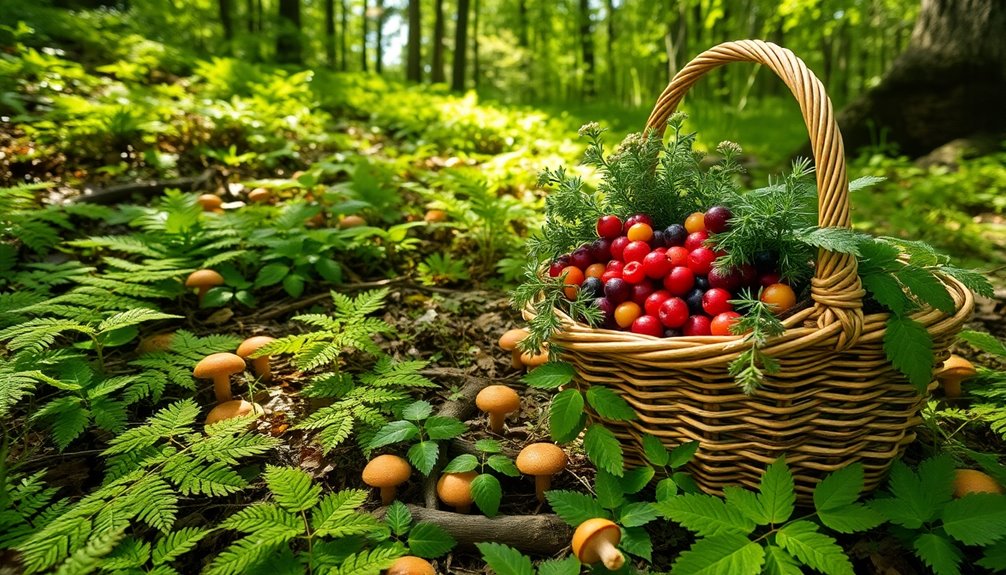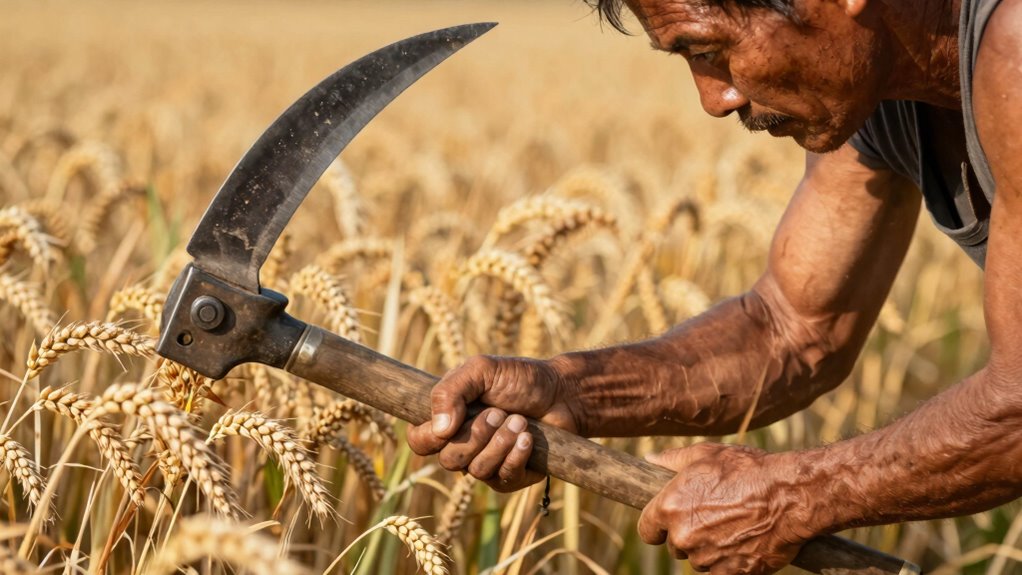
By mastering restraint and skill, you stand out as a responsible wild harvester who protects the environment and guarantees long-term resource availability. Your careful approach minimizes ecosystem damage and promotes sustainable harvesting practices, earning trust within your community. Respecting seasonal cycles and recognizing healthy plant signs shows your dedication to conservation. If you keep honing these skills, you’ll build a reputation as a knowledgeable, ethical harvester who truly values ecosystem health and future generations.

Get garden gear delivered free — and shop member deals
- Fast, free delivery on millions of items
- Access to Prime Big Deal Days deals on October 6–7
- Prime Video, Amazon Music and more included
Key Takeaways
- Demonstrating restraint and skill ensures sustainable harvesting, earning trust and respect within the community.
- Skilled harvesters promote ecological balance, helping to preserve plant populations and biodiversity.
- Teaching responsible techniques encourages others to adopt sustainable practices, enhancing overall resource longevity.
- Restraint reflects a deep understanding of environmental impact, setting a responsible example for peers.
- Mastery in harvesting techniques positions wild harvesters as knowledgeable and conscientious stewards of nature.
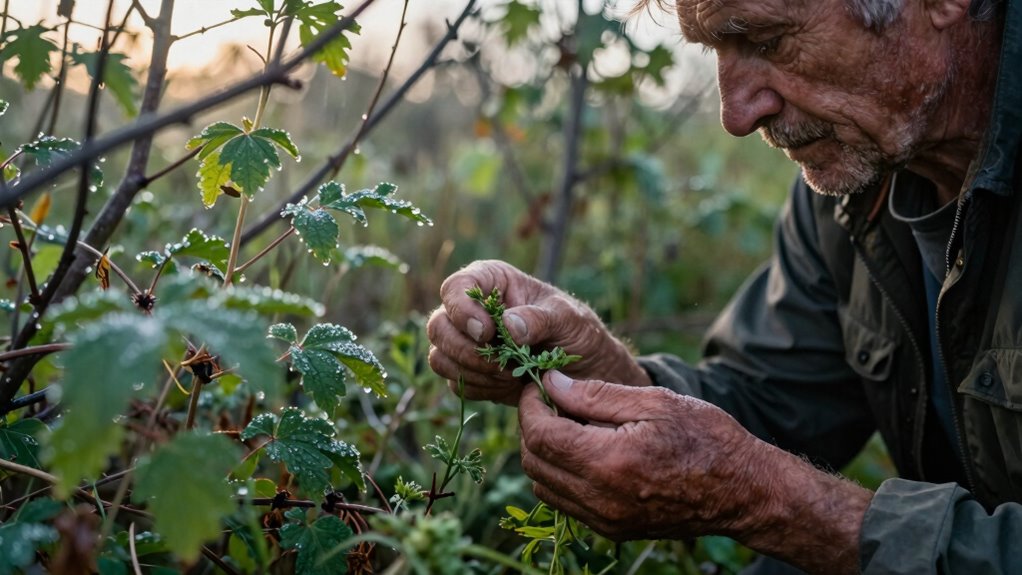
In the wild world of harvesting, mastering restraint and skill is essential for both survival and sustainability. When you understand the importance of precise harvesting techniques, you prevent unnecessary damage to the environment and ensure a steady supply for future generations. Unlike reckless gathering, where the goal is to maximize immediate yield, a skilled wild harvester practices restraint by carefully choosing what to take and how much to remove. This intentional approach protects plant populations and maintains the natural balance of the ecosystem, making your efforts sustainable in the long run.
Practicing restraint and skill ensures sustainable harvesting and preserves the natural balance for future generations.
Your ability to harvest responsibly depends on a deep understanding of harvesting techniques that minimize harm. For example, knowing when and how to pick certain plants or fungi without overharvesting ensures they can regenerate. Using proper tools and techniques, such as cutting rather than uprooting, reduces stress on the environment. Additionally, recognizing the signs of maturity and health in your target species helps you collect only what is ripe and sustainable to harvest. This careful selection fosters a respectful relationship with nature, emphasizing quality over quantity. Practicing early socialization with your environment helps you develop an intuitive sense of when and how to harvest responsibly, reinforcing your connection with the ecosystem.
Sustainability practices go hand in hand with your skillful approach. By implementing these practices, you contribute to the resilience of the ecosystems you rely on. This means avoiding the temptation to take everything available and instead leaving enough behind for wildlife and future harvests. For instance, leaving behind immature plants or some of the seed heads allows for natural reproduction. It also means being sensitive to seasonal cycles and respecting protected areas. Understanding ecosystem balance is crucial in ensuring your harvesting remains a positive force rather than a destructive one. Recognizing the importance of biodiversity can help you make more informed decisions that support the health of the environment. Moreover, developing a keen awareness of the local environment enhances your ability to harvest responsibly and sustainably. Incorporating sustainable management principles into your practices can further strengthen your impact and promote long-term ecological health. These practices demonstrate your commitment to conservation, ensuring that your harvesting remains a positive force rather than a destructive one.
Your reputation as a wild harvester hinges on your reputation for restraint and skill. When you prioritize sustainable practices, you build trust within your community and the natural environment. Others will see that you’re not just in it for immediate gain but are committed to preserving the resources for the years to come. This mindset encourages others to adopt similar practices, creating a ripple effect of responsible harvesting. Ultimately, your ability to master harvesting techniques and uphold sustainability practices sets you apart as a conscientious and skilled wild harvester who values the health of the ecosystem as much as the bounty it provides.
As an affiliate, we earn on qualifying purchases.
Frequently Asked Questions
How Does Wild Harvester Develop Restraint in Its Practitioners?
Wild Harvester develops restraint in its practitioners by emphasizing wild harvesting ethics and sustainable foraging. You learn to recognize when and how much to harvest, ensuring you don’t overexploit resources. The practice encourages patience and respect for nature, fostering a mindful approach. This discipline helps you develop restraint, knowing that responsible foraging benefits the environment and sustains the ecosystem for future generations.
What Specific Skills Are Emphasized in Wild Harvester Training?
In Wild Harvester training, you focus on skills like sustainable harvesting and applying traditional knowledge. You learn to identify when to harvest responsibly, ensuring resources remain healthy, and develop techniques that respect nature’s limits. Emphasizing restraint, you master the art of balancing extraction with conservation. This approach sharpens your skill, making you a mindful practitioner who values ecological balance while honing expertise passed down through generations.
How Does Restraint Improve Harvesting Efficiency?
Restraint might seem counterintuitive, but it actually boosts harvesting efficiency by promoting sustainable practices and ethical harvesting. When you hold back on over-harvesting, you allow resources to replenish, ensuring long-term availability. This careful approach minimizes waste and environmental impact, making each harvest more productive. By practicing restraint, you’re not just conserving nature—you’re optimizing your efforts and building trust with communities and markets that value responsible sourcing.
Are There Safety Concerns Associated With Wild Harvester Techniques?
Yes, there are safety concerns with wild harvester techniques. You need to prioritize wild animal safety, ensuring animals aren’t harmed during harvesting. Equipment hazards are also a risk; sharp tools and heavy machinery can cause injuries if you’re not careful. Always follow safety protocols, wear protective gear, and handle equipment responsibly. Proper training helps you minimize these risks, making your harvesting process safer for both you and the animals.
Can Wild Harvester Methods Be Applied to Other Fields?
Like a river carving stone, wild harvester methods can flow into other fields, shaping new paths with their precision. You can apply these techniques to areas like sustainable agriculture or conservation, where cultural significance and environmental impact matter deeply. By embracing restraint and skill, you preserve natural resources and honor traditions, turning raw instinct into refined mastery. This approach guarantees your work respects nature’s delicate balance while achieving powerful results.
Conclusion
Just as a seasoned gardener tends carefully, knowing when to prune and when to let grow, Wild Harvester teaches you restraint and skill. It’s not about reckless pursuit but mastering the art of balance—like a river shaping its course gently yet persistently. Embrace this wisdom, and you’ll find yourself steering life’s wild terrains with the poise of a craftsman. In this dance of patience and precision, you don’t just survive—you thrive.
Fall yard work Picks
leaf blowers
As an affiliate, we earn on qualifying purchases.