Urban foraging is rewarding, but soil pollution can pose serious health risks from contaminants like heavy metals and pesticides. To stay safe, start with soil tests—DIY kits give quick insights, while certified labs offer detailed results. If contamination is found, you can choose safer planting spots or grow in raised beds with clean soil. Being aware of pollution risks helps you forage responsibly; continue exploring to learn how testing protects your health and the environment.
Key Takeaways
- Soil contamination from industrial history and pollutants poses health risks for urban foragers.
- Soil testing, including DIY kits and lab analysis, helps identify harmful contaminants like heavy metals.
- Advanced testing methods such as ICP-MS detect trace toxins for comprehensive contamination profiles.
- Using test results, foragers can adopt safer practices like raised beds or choosing less absorbent plants.
- Regular soil testing promotes responsible, informed urban foraging and protects health from hidden environmental hazards.

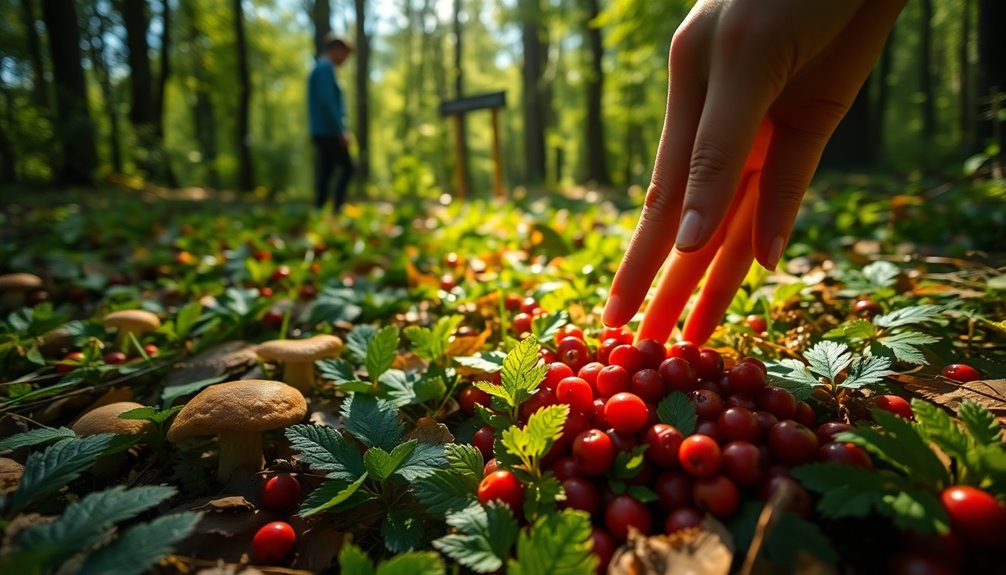
Urban foraging is gaining popularity as city dwellers discover that edible plants often grow right in their neighborhoods. It’s a liberating pursuit that reconnects you with nature’s abundance, right outside your door. But before you start harvesting wild greens or berries, it’s vital to understand the risks tied to soil contamination. Cities aren’t always as pristine as they seem, and soil contamination can hide beneath the surface, lurking from past industrial activity, heavy metals, or pollutants that settle into the earth. Consuming plants grown in contaminated soil can expose you to dangerous substances like lead, arsenic, or pesticides, jeopardizing your health and undermining your efforts to embrace nature’s gifts.
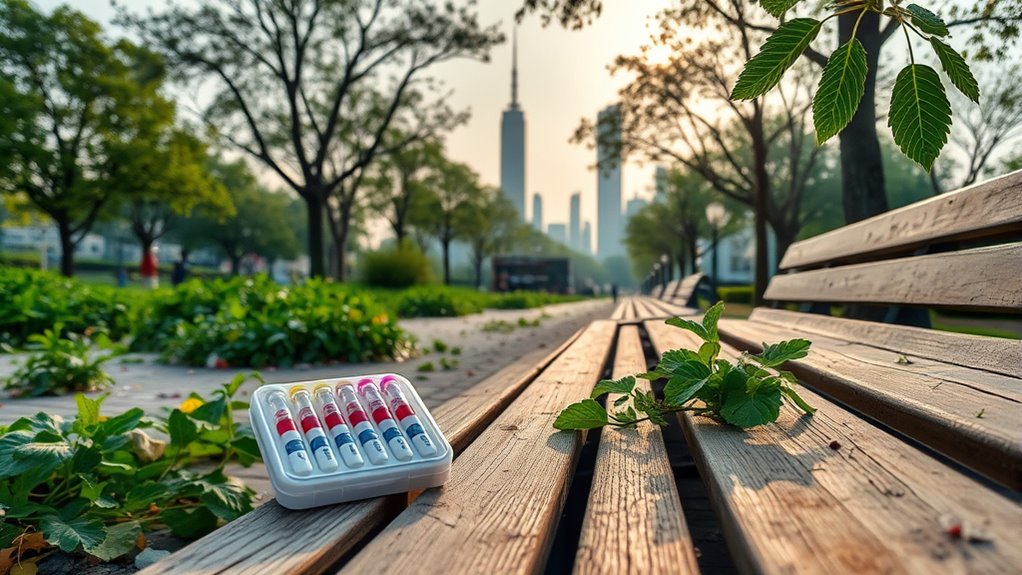
That’s where testing methods come into play. You need to know what’s in the soil before you harvest freely. Soil testing is your first line of defense, a way to liberate yourself from uncertainty and make informed choices. There are different testing methods available, each suited to different levels of concern and expertise. For basic assessments, DIY soil test kits are accessible and straightforward. They can detect common contaminants, such as pH levels, lead, or nutrients, giving you a quick snapshot of soil health. However, these kits have limitations—they’re not always precise for heavy metals or specific pollutants. For more detailed analysis, you can send soil samples to certified laboratories that use advanced testing techniques, such as inductively coupled plasma mass spectrometry (ICP-MS) or atomic absorption spectroscopy. These methods can detect trace amounts of toxins and give you a detailed contamination profile.
Knowing your options empowers you to make safer choices. If tests reveal elevated levels of contaminants, you can take steps like planting in raised beds filled with uncontaminated soil or choosing plants less prone to absorption of harmful substances. Urban foragers aren’t just adventurers—they’re also guardians of their health. Testing soil isn’t an obstacle; it’s a liberating tool that guarantees your foraging is sustainable and safe. Remember, every city has its own story of pollution, and understanding your local environment is vital. By taking the time to test your soil, you’re asserting control over your foraging journey and protecting yourself from hidden dangers. Conducting soil contamination testing can help identify specific pollutants and guide safer harvesting practices. Embrace the knowledge, and let it guide your wild harvesting with confidence. Your freedom to forage should come with peace of mind, knowing you’re respecting the land and your health in equal measure.
Frequently Asked Questions
How Can I Identify Safe Urban Foraging Locations?
To find safe urban foraging spots, focus on areas with minimal soil contamination, far from busy roads or industrial sites. Use plant identification guides to recognize edible species accurately, avoiding anything unfamiliar or potentially toxic. Trust your senses—smell, look, and feel—and always double-check. By choosing locations away from pollution sources and mastering plant ID, you can liberate yourself to enjoy urban foraging safely and confidently.
What Are Common Pollutants to Test for in Urban Plants?
You should test for pesticide residues and heavy metal contamination on urban plants. These pollutants pose the greatest health risks and can accumulate in plants from contaminated soil or air. By identifying these common pollutants, you can confidently forage in safer areas and enjoy your foraging freedom. Regular testing helps guarantee you’re harvesting healthy, clean plants, allowing you to connect with nature without worrying about hidden toxins.
Are There Specific Testing Kits for Urban Foraging Safety?
Yes, there are specific testing kits designed for urban foraging safety. You can find kits that focus on soil contamination and heavy metal testing, allowing you to assess the safety of your foraging sites. These kits empower you to take control of your environment, ensuring your gathered plants are free from harmful pollutants. By testing regularly, you free yourself from pollution worries and embrace the joy of safe, sustainable urban foraging.
How Often Should I Test Plants From Urban Areas?
You should test plants from urban areas at least once a season to stay safe from soil contamination and plant bioaccumulation. Regular testing helps you spot harmful toxins that could have accumulated over time. By staying vigilant and testing often, you reclaim your power to forage freely, confidently, and responsibly. Don’t wait for symptoms—proactively test to guarantee your urban foraging remains a safe and liberating experience.
What Signs Indicate a Plant May Be Contaminated?
You might notice plant discoloration or unusual spots, which often signal soil contamination. Coincidentally, these signs align with potential pollution risks lurking in urban soils. If your plant’s leaves turn yellow or brown unexpectedly, it’s a red flag. Trust your senses—discoloration, wilting, or odd textures indicate trouble. Don’t ignore these signs; they’re your plant’s way of warning you about hidden toxins, so test before harvesting to stay liberated from harmful pollutants.
Conclusion
As you venture into urban foraging, remember that each leaf and berry is like a hidden treasure chest, holding both promise and peril. Pollution lurks like shadows beneath the surface, threatening to tarnish your bounty. By testing and staying vigilant, you become a guardian of your own food source, turning the city’s chaos into a symbol of resilience. Embrace the journey, and let your cautious curiosity be the lantern guiding you through urban wilderness.