If you notice darkening clouds turning black, a sudden drop in temperature, or a sharp increase in wind speed, it’s time to stop foraging. Distant thunder and a sudden stillness also signal an approaching storm. When weather signs shift unfavorably, safety comes first—continuing could be dangerous. Recognizing these signals helps you avoid risky conditions. Keep exploring to discover more ways to stay safe and work in harmony with nature’s cues.

Get garden gear delivered free — and shop member deals
- Fast, free delivery on millions of items
- Access to Prime Big Deal Days deals on October 6–7
- Prime Video, Amazon Music and more included
Key Takeaways
- Avoid foraging when dark clouds are gathering and the sky darkens to black, indicating an approaching storm.
- Do not forage during sudden drops in temperature or increasing wind speeds, which signal unstable weather.
- Refrain from foraging when distant thunder echoes, as storms may be imminent or nearby.
- Skip foraging during periods of sudden stillness, as it often precedes storm activity.
- Cease foraging if seasonal signs like heavy rain, frost, or snow indicate harsh weather conditions.
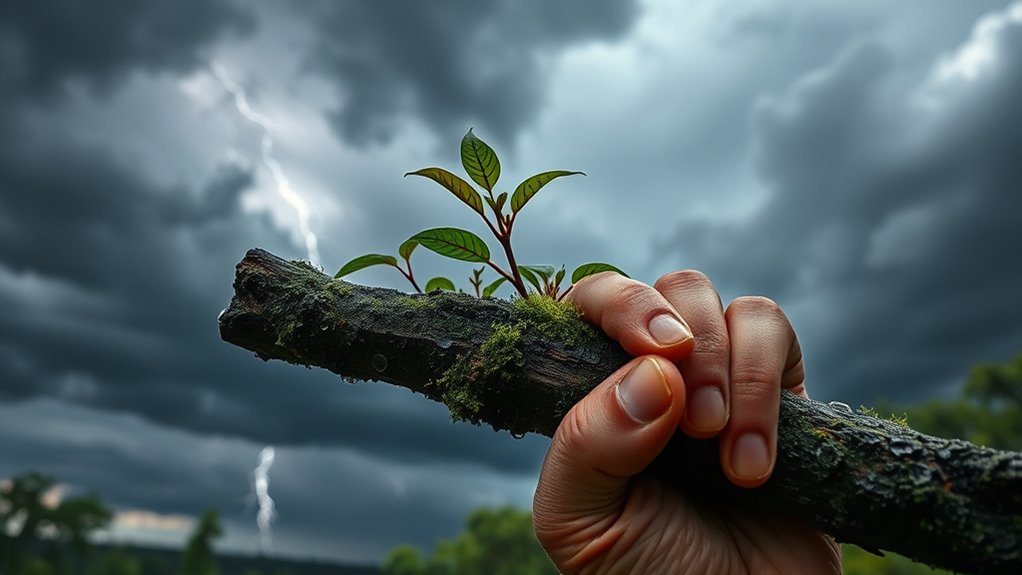
Understanding weather signs can help you anticipate changes in the environment and plan accordingly. When you’re out foraging, recognizing these signs empowers you to stay safe and respect nature’s boundaries. One of the most crucial aspects is predicting storms. As you observe the sky, look for darkening clouds gathering on the horizon, their colors shifting from gray to ominous black. The sudden drop in temperature and increase in wind speed can signal an approaching storm. You might notice distant thunder echoing, or a sudden stillness where everything seems to hold its breath—these are clues that a storm is imminent. By tuning into these signs, you can decide when to seek shelter, avoiding dangerous conditions that can quickly turn life-threatening. It’s about listening to nature’s warnings and respecting its power, not fighting against it. Weather patterns play a vital role in understanding these signs and making informed decisions.
Seasonal shifts also play a essential role in your understanding of the environment. As seasons change, so do the behaviors of plants, animals, and weather patterns. In spring, watch for blossoming flowers, migrating birds, and longer daylight hours—these are signs that the weather is warming and the earth is awakening. Summer brings heat and often more intense thunderstorms, so be alert for increasing humidity and the sounds of distant thunder. Fall signals cooling temperatures, falling leaves, and changing animal activity, while winter warns of colder air, frost, and possibly snow. Recognizing these seasonal shifts isn’t just about knowing when to forage, but also about aligning yourself with the natural rhythms that sustain the land. When you understand these patterns, you can choose the right times to gather and harvest, ensuring your efforts are in harmony with nature rather than against it.
As an affiliate, we earn on qualifying purchases.
Frequently Asked Questions
Can Weather Changes Affect the Safety of Foraged Foods?
Yes, weather changes can impact the safety of foraged foods. When plant dormancy occurs due to colder weather, some plants become less safe to harvest. Additionally, fluctuating soil moisture from rain or drought affects plant health and contamination risks. Stay alert to these signs, and avoid foraging when conditions indicate potential hazards. Your connection with nature is liberating, but safety always comes first—trust the weather cues.
How Do Lunar Phases Influence Foraging Conditions?
Think of moon phases as a master conductor guiding the tide’s rhythm, shaping foraging conditions. During new moons and full moons, tidal influences are strongest, stirring up the water and affecting where edible plants and shellfish gather. You’re free to forage when the moon’s quiet waxing or waning phases, but avoid the chaos of heightened tidal activity. Embrace the lunar cycle to harness nature’s hidden rhythm and forage with confidence.
Are There Specific Weather Patterns That Signal Toxic Plants?
You should watch for specific weather pattern alerts that signal toxic plant indicators. Heavy rain followed by drought can cause plants to concentrate toxins, making them unsafe. Sudden frosts may also trigger toxic responses in some plants. Trust your instincts and stay alert—Inevitably, certain weather changes serve as warning signs to avoid foraging, helping you stay liberated from potential poisoning. Always prioritize safety over curiosity.
What Equipment Is Best for Monitoring Weather During Foraging Trips?
You’re better off having a reliable weather forecasting app on your smartphone, paired with a portable emergency gear kit. This combo keeps you ahead of sudden changes, ensuring your foraging is safe and freeing you from worry. A compact weather radio or a handheld anemometer can provide instant updates, helping you make quick decisions and enjoy your adventure with confidence, no matter what Mother Nature throws your way.
How Can I Predict Sudden Weather Shifts Before Foraging?
To predict sudden weather shifts, keep an eye on barometric pressure and wind patterns. A rapid drop in pressure often signals an approaching storm, so check your barometer regularly. Notice changing wind directions or increasing wind speed, which can indicate shifting weather. Trust your senses, stay alert, and be ready to head back if conditions start to change unexpectedly. Your awareness keeps you safe and free to enjoy your foraging adventures.
Conclusion
When you learn to read weather signs, you gain the wisdom to stay safe and avoid foraging in dangerous conditions. For example, if you notice darkening skies and an early wind shift, it’s a sign to postpone your gathering. Remember, nature’s signals are often subtle but reliable. By paying close attention, you safeguard yourself and ensure a successful foraging trip—knowing when not to go can be just as important as knowing what to gather.
Fall yard work Picks
leaf blowers
As an affiliate, we earn on qualifying purchases.