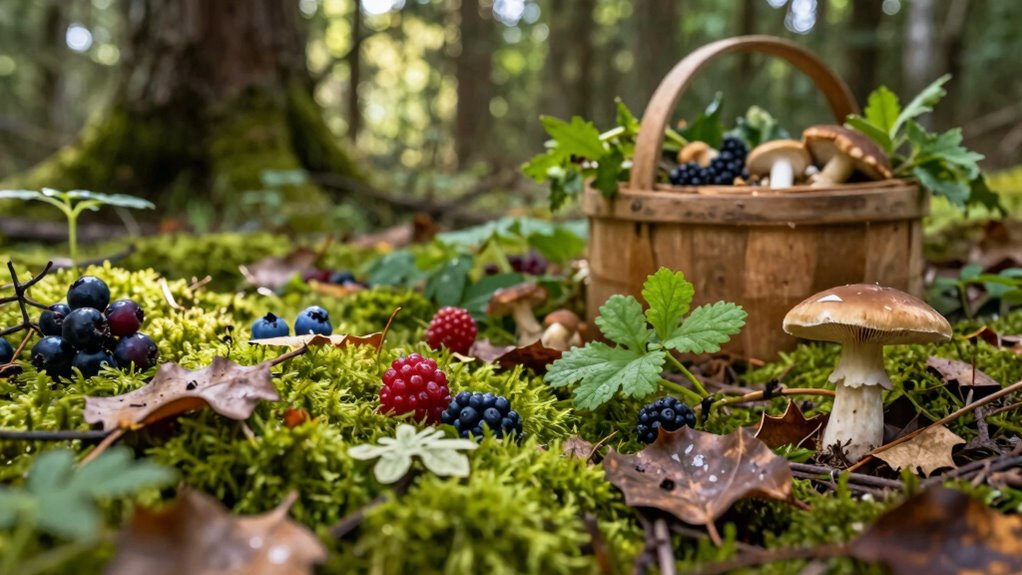

You need strong standards for trusted wild food sources because they guarantee your food comes from responsible sources that protect ecosystems and biodiversity. Strict guidelines help prevent overharvesting and habitat damage, keeping wild populations healthy for future generations. When standards are high, you can trust that your food is safe, sustainably harvested, and ethically sourced. If you want to learn how these standards support environmental health and your well-being, keep exploring this important topic.

Get garden gear delivered free with Prime
- Fast, free delivery on millions of items
- Prime Video, Amazon Music and more included
- Member-only deals all year
Key Takeaways
- Strong standards prevent overharvesting, ensuring long-term availability of wild foods.
- They protect ecosystems and biodiversity from habitat destruction and species decline.
- Clear guidelines promote responsible harvesting and reduce environmental degradation.
- Standards build consumer trust by guaranteeing safety and ethical sourcing.
- They support sustainable practices that preserve wild populations for future generations.

Have you ever wondered where to find reliable wild food sources? The answer isn’t just about discovering where wild foods grow but also guaranteeing they come from trustworthy sources that prioritize sustainability and safety. Trusted wild food sources are essential because they support local ecosystems and protect wild populations from overharvesting. To achieve this, strong standards must be in place, guiding how wild foods are harvested and managed. Sustainable harvesting plays a key role here, emphasizing methods that allow wild populations to thrive for generations to come. When harvesting wild foods, it’s imperative to avoid depleting resources, damaging habitats, or disrupting ecological balances. This is where certification programs come into play—they set clear guidelines and standards that harvesters must follow, ensuring responsible collection practices. Certification programs act as a quality assurance, giving consumers confidence that the wild foods they purchase are harvested ethically and sustainably.
Without strict standards, wild food sources risk being overexploited, which can lead to environmental degradation and the loss of critical species. Overharvesting not only harms individual populations but also affects entire ecosystems, impacting other plants, animals, and local communities that depend on these resources. When standards are rigorous and enforced through certification programs, they help preserve biodiversity and maintain healthy ecosystems. These programs often include regular inspections, documentation requirements, and specific harvesting techniques designed to minimize environmental impact. As a consumer, choosing wild foods that come from certified sources means supporting practices that prioritize the long-term health of the environment and the sustainability of wild populations.
Additionally, implementing strict standards can help prevent illegal or irresponsible harvesting, which can threaten the integrity of wild food sources. When harvesting is done responsibly, it encourages local communities to adopt sustainable practices, ensuring that wild food sources remain available for future generations. It also builds consumer trust, as people increasingly seek transparency and accountability from producers. Knowing that a wild food product meets established standards ensures you’re making a responsible choice. Ultimately, trusted wild food sources with robust standards are essential not only for environmental conservation but also for safeguarding your health and that of the planet. By supporting certified, sustainably harvested wild foods, you’re helping preserve natural ecosystems while enjoying the bounty that nature offers.
wild food certification programs
As an affiliate, we earn on qualifying purchases.
As an affiliate, we earn on qualifying purchases.
Frequently Asked Questions
How Do Standards Vary Across Different Wild Food Sources?
Standards vary across wild food sources because of differences in sustainable harvesting practices and quality assurance measures. You’ll find stricter standards for mushrooms versus wild herbs, for instance, to prevent overharvesting and contamination. Some sources prioritize eco-friendly methods, while others emphasize rigorous testing for toxins. As a consumer, understanding these variations helps you choose trusted suppliers committed to sustainable harvesting and quality assurance, ensuring safe, high-quality wild foods.
What Role Do Local Communities Play in Wild Food Standards?
You might think local communities simply follow rules, but in reality, their involvement shapes wild food standards. With their traditional knowledge, they set authentic benchmarks, ensuring sustainability and safety. Community involvement keeps standards rooted in local ecosystems, preventing exploitation. It’s ironic how these communities, often overlooked, are actually the guardians of wild food integrity. Their role is essential in maintaining trust and preserving nature’s bounty for future generations.
How Are Wild Food Standards Enforced Internationally?
Wild food standards are enforced internationally through strict wild food certification processes and regulations that guarantee safety and sustainability. Governments and international bodies collaborate to monitor compliance, especially in international trade, to prevent overharvesting and contamination. Certification verifies that wild foods meet these standards, giving consumers confidence. You can trust that certified wild foods are sustainably sourced and safe, supporting both local ecosystems and global markets.
Can Wild Food Standards Adapt to Climate Change Impacts?
Like the phoenix rising from ashes, wild food standards can adapt to climate change impacts. You need to prioritize ecosystem resilience and preserve genetic diversity, ensuring wild food sources withstand environmental shifts. By continuously updating standards based on scientific research and climate data, you help maintain sustainable harvesting practices, protect biodiversity, and secure reliable food sources for the future. Adaptability becomes your strongest tool against climate uncertainty.
What Are the Risks of Unregulated Wild Food Harvesting?
Unregulated wild food harvesting risks overharvesting, damaging ecosystems, and risking food safety. Without wild food certification and sustainable harvesting practices, you might unknowingly contribute to species decline or consume contaminated foods. These practices guarantee your food is responsibly sourced, safe, and eco-friendly. By supporting strong standards, you help protect wild populations, maintain ecological balance, and promote long-term food security, making sure wild food remains available for future generations.
Conclusion
So, next time you’re happily munching on that “wild” berry or foraged mushroom, remember: without strong standards, you’re basically gambling with your health. Trusting wild food sources without oversight is like letting a fox guard the henhouse—sure, it sounds fun until someone gets sick. So, stay vigilant, demand quality, and don’t let the wild food wild west turn into a health disaster. After all, your stomach deserves more than just a wild gamble.
Fall yard work Picks
leaf blowers
As an affiliate, we earn on qualifying purchases.