
TL;DR
Agricultural experts recommend specific pruning methods to improve tomato plant health and boost yields. Proper pruning involves removing suckers and managing plant growth to prevent disease and maximize fruit production. This advice aims to help home gardeners and farmers achieve healthier plants and larger harvests.
Experts in gardening and horticulture are emphasizing the importance of proper tomato pruning techniques to promote healthier plants and larger harvests. Recent advice from agricultural specialists highlights specific methods that gardeners can adopt immediately to improve their tomato crops, making this guidance highly relevant for both home growers and commercial farmers.

Get garden gear delivered free with Prime
- Fast, free delivery on millions of items
- Prime Video, Amazon Music and more included
- Member-only deals all year
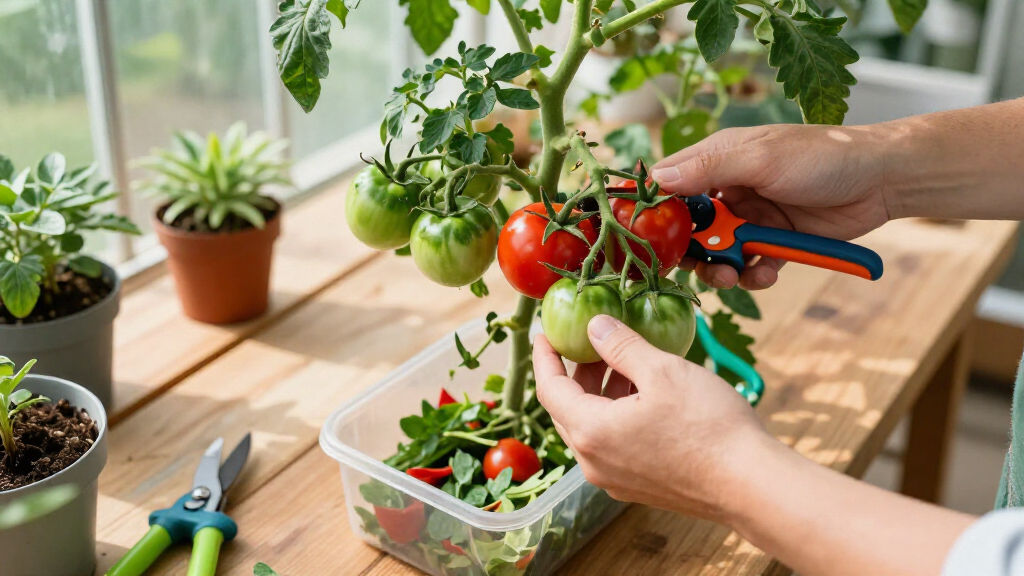
According to horticultural experts, the key to successful tomato pruning involves removing suckers—small shoots that develop in the leaf axils—to direct the plant’s energy toward fruit production. Experts recommend starting this process early in the growing season, once the plants have established their main stems. Proper pruning not only encourages better airflow and reduces disease risk but also helps in managing plant size, making harvesting easier.
Additionally, specialists advise pruning to remove lower leaves and any diseased or damaged foliage, which can harbor pests and pathogens. This practice improves overall plant health and can lead to a significant increase in fruit size and yield. The timing and technique are critical; experts suggest using clean, sharp tools and making cuts at the right angle to minimize stress on the plant.
Several agricultural extension services and gardening authorities have issued detailed guidelines, emphasizing that consistent and careful pruning can result in a more vigorous and productive tomato crop. They also note that over-pruning or improper cuts can harm the plant, so gardeners should follow recommended practices closely.
Why Proper Tomato Pruning Enhances Garden Productivity
This guidance matters because effective pruning directly impacts the health and productivity of tomato plants. By adopting these techniques, gardeners can reduce disease incidence, improve fruit quality, and increase overall yields. For commercial growers, these practices can translate into higher profits and more efficient harvests. Additionally, healthier plants require less chemical intervention, supporting more sustainable gardening.
Popular right now

Shark AI Ultra Robot Vacuum with Matrix Clean and Self-Empty Base

Apple AirPods Pro 3 Wireless Earbuds with Active Noise Cancellation

Dyson Airwrap Co-anda2x Multi-Styler and Dryer (2026 Model)
As an affiliate, we earn on qualifying purchases.
Background on Tomato Pruning and Its Growing Popularity
Tomato pruning has long been a recommended practice among experienced gardeners, but recent research and extension service advice have renewed focus on its benefits. Historically, pruning was mainly used to control plant size, but current studies emphasize its role in disease prevention and yield maximization. As urban gardening and small-scale farming increase, more home growers are adopting these techniques to improve their harvests.
Recent publications from agricultural universities and gardening organizations have provided detailed, science-backed pruning guidelines, making the practice more accessible to amateurs and professionals alike. This shift reflects a broader trend toward sustainable, low-input gardening methods that prioritize plant health and productivity.
Uncertainties About Optimal Pruning Timing and Methods
While expert advice provides clear guidelines, some details remain uncertain, such as the precise timing for pruning in different climates and tomato varieties. There is also ongoing research into how often and how aggressively to prune without stressing the plant. Additionally, some gardeners question whether pruning might reduce overall plant resilience in certain conditions, and more field data is needed to refine recommendations.
Next Steps for Gardeners and Researchers on Tomato Pruning
In the coming months, agricultural researchers plan to conduct studies comparing different pruning schedules and techniques across various climates and tomato varieties. For home gardeners, extension services are expected to release updated, detailed guides to help tailor pruning practices to specific conditions. Meanwhile, experts advise gardeners to experiment cautiously and observe their plants’ responses.
Key Questions
When is the best time to start pruning tomato plants?
Most experts recommend beginning pruning once the tomato plants have developed their main stems and are about 6-12 inches tall, typically a few weeks after transplanting.
How do I know which suckers to remove?
Suckers are small shoots that grow in the leaf axils between the main stem and branches. Removing them early helps focus the plant’s energy on fruit production.
Can pruning harm my tomato plants?
Yes, improper pruning—such as cutting at the wrong time or using dull tools—can stress plants or introduce disease. Following recommended techniques minimizes risks.
Does pruning affect disease resistance?
Proper pruning improves airflow and reduces humidity around the plant, which can lower disease risk. However, over-pruning or poor sanitation may have the opposite effect.
Are there tomato varieties that don’t need pruning?
Indeterminate varieties generally benefit from pruning to manage size and improve yields, while determinate types tend to be more bush-like and require less pruning.
Source: rss