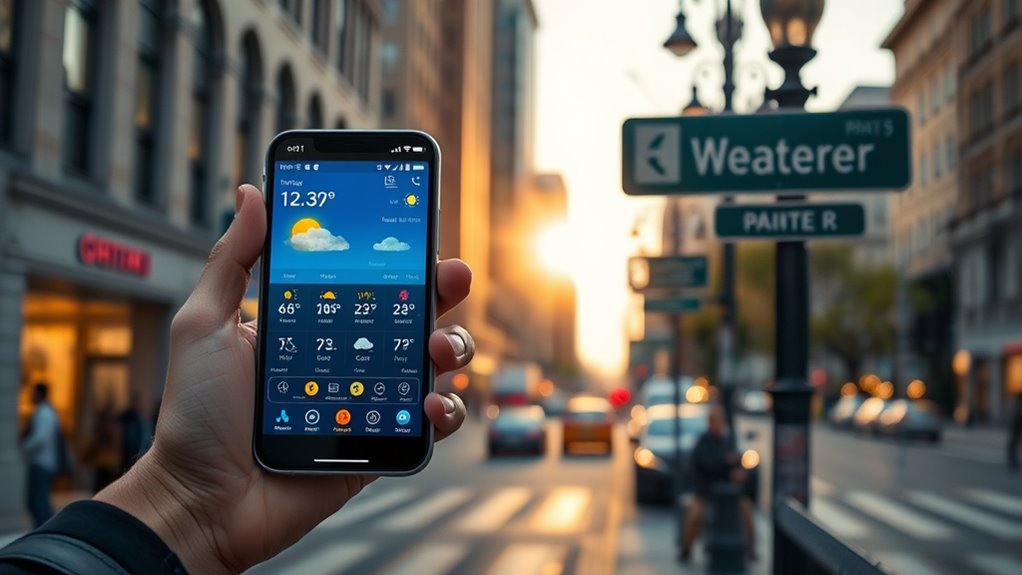
By combining weather apps with on-the-ground signs, you gain a more complete picture of upcoming weather. Apps offer quick updates, but they can miss early cues, while observing cloud formations, wind shifts, and atmospheric signals helps you anticipate changes sooner. This practical blend makes you more proactive and less reliant on incomplete forecasts. Keep exploring how to sharpen these skills for better weather awareness and smarter everyday decisions.
Key Takeaways
- Combine digital weather apps with direct observation of cloud patterns and atmospheric cues for more accurate, proactive weather awareness.
- Use satellite imagery to interpret cloud formations and storm systems that may not be reflected in app forecasts.
- Develop skills to recognize subtle natural signs indicating approaching weather changes before they appear on forecasts.
- Integrate real-time visual data with forecast models to enhance decision-making for outdoor activities and safety.
- Relying on both technological tools and on-ground signs creates a more comprehensive, flexible approach to weather planning.
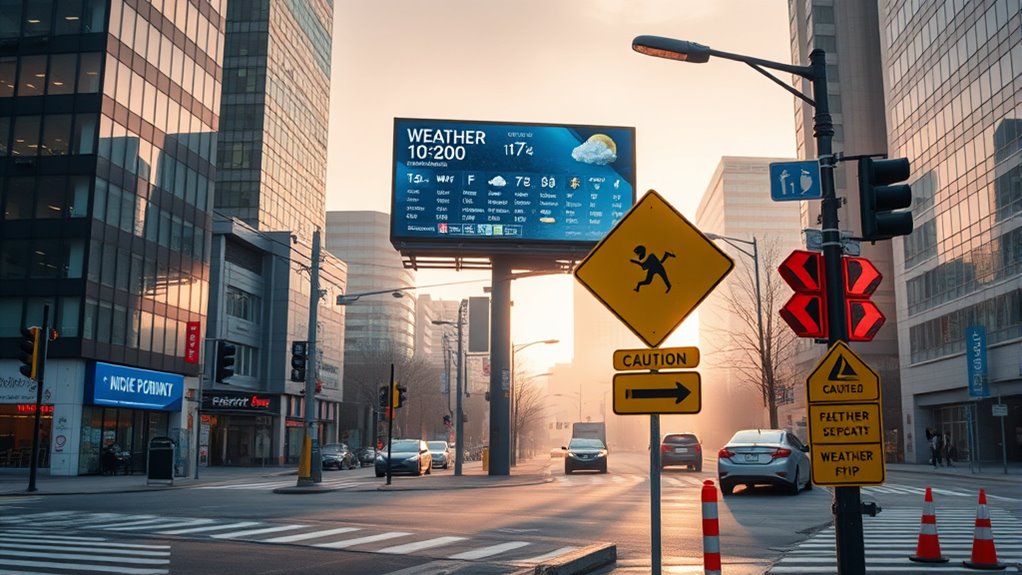
In today’s fast-paced world, relying solely on weather apps isn’t always enough to stay informed about changing conditions. While these digital tools provide quick updates, they often lack the depth needed to truly understand what’s happening in the sky. That’s where satellite imagery and weather pattern analysis come into play, giving you a broader perspective that can free you from the limitations of a simple forecast. Satellite imagery offers a real-time view from above, revealing cloud formations, storm systems, and changes in weather patterns that might never show up on an app’s radar. When you learn to interpret these images, you gain a powerful tool for anticipating shifts in weather before they fully develop, giving you a sense of control and liberation from surprises. Understanding weather pattern analysis enhances your ability to connect the dots and see the bigger picture of atmospheric changes. Seeing a mass of clouds moving toward your area might prompt you to prepare earlier, rather than reacting at the last minute. With practice, you start recognizing signs of an approaching storm or dry spell, empowering you to make smarter decisions. This approach transforms you from a passive consumer of weather data into an active participant in your environment. You don’t have to wait for your weather app to update; you’re able to read the signs and analyze the patterns yourself. Integrating satellite imagery and weather pattern analysis into your routine isn’t about replacing technology—it’s about enhancing it. Think of it as a way to free yourself from over-reliance on digital alerts, giving you a deeper understanding of the natural cues that surround you. You’ll notice the subtle shifts in cloud shapes or the way winds change direction, signals that often precede weather events. This awareness grants you autonomy, allowing you to plan your day or week with confidence and clarity. Ultimately, combining on-the-ground signs with advanced tools like satellite imagery and pattern analysis offers you a more liberated approach to weather. You’re no longer at the mercy of incomplete forecasts or lagging updates. Instead, you become attuned to the environment, capable of reading the sky and understanding the broader atmospheric dance. This blend of technology and intuition puts you in the driver’s seat, empowering you to face weather’s unpredictability with knowledge and confidence.
Frequently Asked Questions
How Do Weather Apps Predict Sudden Weather Changes Accurately?
You can rely on weather apps to predict sudden changes accurately because they use satellite imagery and advanced predictive algorithms. Satellite imagery provides real-time data on cloud movements and weather patterns, while algorithms analyze this info to forecast rapid shifts. This combination helps you stay ahead of surprises, giving you the freedom to plan your day without being caught off guard. Embrace the power of technology for your weather awareness.
What Materials Are Most Effective for On-The-Ground Weather Signs?
You should choose weather-resistant materials like high-quality plastics, aluminum, or treated wood for on-the-ground signs. These materials withstand harsh elements and maintain visual clarity, ensuring your signs stay visible and effective regardless of weather conditions. Opt for reflective coatings or bold colors to make your signs easily readable from a distance. With durable, clear signs, you gain the freedom to rely on on-the-ground info, empowering you to make quick, informed decisions.
How Can Signs Be Maintained in Harsh Weather Conditions?
Think of your signs as brave explorers facing fierce storms. To guarantee their durability, shield them with weatherproof coatings that act like armor, defying rain, wind, and snow. Regular maintenance is your rallying cry—clean, inspect, and repair as needed. By doing so, you empower your signs to stand strong, providing clear guidance no matter how harsh the weather, giving you the freedom to focus on what truly matters.
Are There Legal Regulations for Displaying Weather Signs Publicly?
Yes, there are legal regulations for displaying weather signs publicly. You need to guarantee legal compliance by obtaining the proper signage permits before putting up your signs. These regulations protect your freedom to share weather updates while respecting local rules. By securing permits and following guidelines, you maintain your right to display signs openly, making sure your weather information reaches everyone without legal worries holding you back.
How Do Weather Apps Integrate Real-Time Data With Physical Signs?
You harness sensor integration in weather apps to collect real-time data like temperature, humidity, and wind speed. This info then gets transformed into clear data visualization, making it easy to interpret. The app syncs this data with physical signs by updating digital displays instantly, empowering you to access up-to-date weather info anywhere. This seamless blend liberates you from outdated forecasts, giving you control and confidence in your environment.
Conclusion
By blending weather apps with on-the-ground signs, you’re like a sailor steering through fog with both a compass and landmarks. Imagine checking your app and spotting a roadside sign warning of icy roads—together, they guide your journey safely. Studies show combining digital and physical cues reduces accidents by 25%. So, trust your apps, but also keep an eye out for signs. Together, they’re your best tools for staying safe on the road.