
TL;DR

Get garden gear delivered free with Prime
- Fast, free delivery on millions of items
- Prime Video, Amazon Music and more included
- Member-only deals all year
Homes & Gardens outlines four steps for keeping citronella plants through winter: bring them indoors before frost, cut them back, give them bright light and water sparingly. The guidance applies to tender citronella pelargoniums in colder climates; the plant’s suggested mosquito-repelling effect remains unproven.
Homes & Gardens has published a four-step guide to overwintering citronella plants indoors, advising gardeners in frost-prone areas to move the tender pelargonium inside as nighttime temperatures approach 45°F. The steps are to bring the plant indoors, prune it, provide bright light and reduce watering—measures intended to help gardeners keep it through winter rather than replace it the following spring.
The article identifies citronella as Pelargonium citrosum, a scented-leaf pelargonium with textured foliage, small pink flowers and a citrus-like fragrance released when its leaves are brushed or crushed. It is hardy outdoors only in US hardiness zones 9–11, according to the report. In colder regions, gardeners can grow it as an annual or bring it indoors for winter.
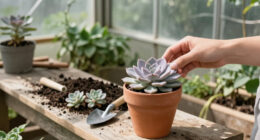
For the first step, the article recommends moving container plants to a bright, cool, frost-free place when nighttime temperatures begin falling to 45°F. It gives 45°F to 50°F as a suitable winter range and warns that frost can severely damage or kill the plant. Plants growing in garden beds need to be dug up and potted in well-draining soil before being brought inside.
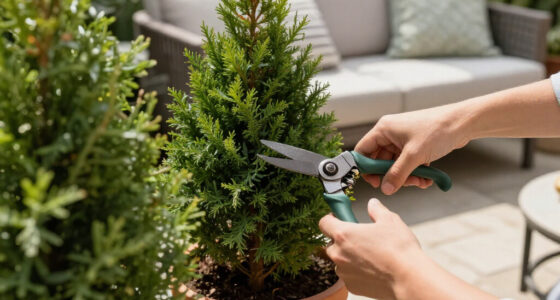
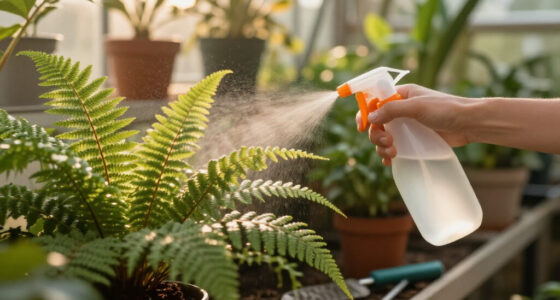
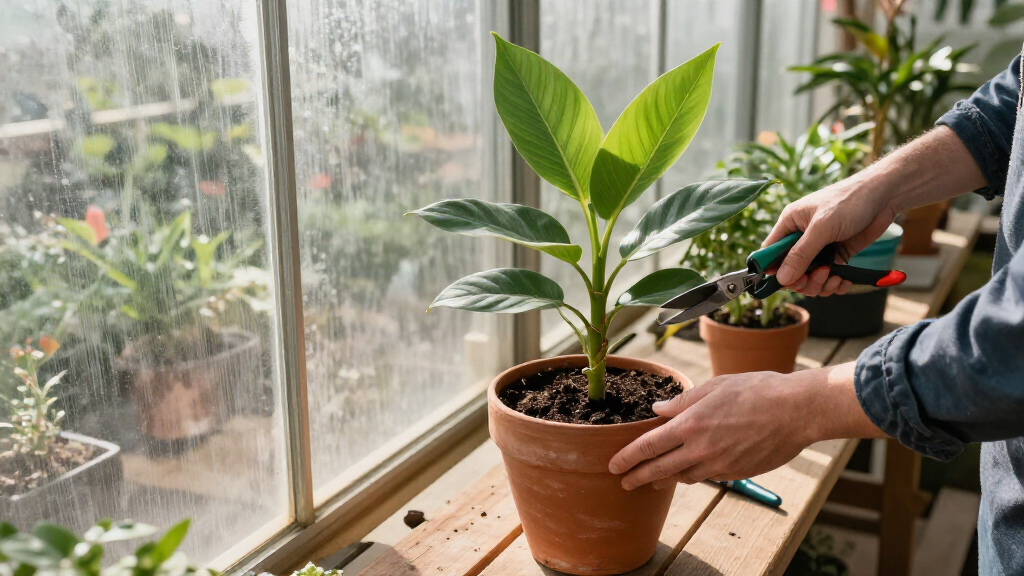
The remaining steps are to cut stems back by up to half with clean, sharp pruning shears, inspect the plant for pests, and provide a bright location with good air circulation. A south- or west-facing window or a frost-free greenhouse may work; the report recommends at least six hours of light daily, with a full-spectrum grow light as a possible supplement. Water only after the soil has dried; indoor watering may be needed every two to four weeks, depending on conditions.
Keeping Citronella Beyond Summer
Overwintering can let gardeners retain a tender container plant from one growing season to the next, avoiding the need to discard it and buy a replacement each year. That can reduce repeat purchases and plant waste, although the outcome depends on having a suitable indoor space and managing light, temperature and watering.
The plant’s appeal in the report is its citrus-scented foliage, not a proven pest-control effect. Homes & Gardens says the idea that citronella repels mosquitoes has not been proven, despite the plant sometimes being sold as a “mosquito plant.”
Popular right now

Dyson Cyclone V10 Origin Cordless Vacuum

Samsung QN65LS03FAFXZA 65 The Frame QLED 4K Art Mode Vision AI Smart TV (2025)

Samsung The Frame Pro LS03HW 65-inch Neo QLED TV with 27-Month Axiom Care
As an affiliate, we earn on qualifying purchases.
Frost Sets the Winter Schedule
Citronella may grow as a perennial in warmer climates, but the report says outdoor survival is likely only in zones 9–11, with roots protected by mulch. In areas that experience frost, keeping the plant outdoors risks cold damage. The article advises watching local forecasts and bringing the plant in before frost rather than waiting for visible injury.
Plants already in pots are easier to move. Those growing in beds must be lifted and transferred to containers. The report also notes that citronella is toxic to people and pets, so indoor plants should be kept out of reach of children and household animals.
Conditions That Affect Survival
The guidance does not guarantee that every plant will survive winter. The report gives temperature, light and watering recommendations, but indoor conditions vary, and it does not specify a single watering schedule that fits every home. Its two-to-four-week interval is an estimate; gardeners are advised to check whether the soil has dried before watering again.
The mosquito-repelling effect remains unproven in the source material. The report also does not provide trial data comparing overwintering methods or quantify how often plants survive under the recommended care.
Move Plants Before Frost Arrives
Gardeners in frost-prone locations can start by checking overnight forecasts and preparing a cool, bright, frost-free spot. Before bringing a plant inside, inspect it for pests; then prune it, maintain suitable light and air circulation, and check soil dryness before watering. Plants in beds need to be dug up and potted in advance.
During winter, monitor the plant for signs of stress and adjust care to the conditions rather than following a fixed calendar. Once the risk of frost has passed, gardeners can decide when to return plants outdoors; the source does not specify a spring date or a detailed acclimatization schedule.
Key Questions
When should I bring citronella plants indoors?
The report advises moving them inside as nighttime temperatures approach 45°F, before frost. Monitor local forecasts, since frost can severely damage or kill the plant.
How much should I prune citronella for winter?
Homes & Gardens recommends cutting the plant back by up to half with clean, sharp shears, cutting stems just above a leaf node. Check for pests before bringing the plant indoors.
How often should I water citronella indoors?
The report gives two to four weeks as a possible interval, but says to let the soil dry before watering again. Actual timing depends on indoor conditions.
Does citronella keep mosquitoes away?
The source says the claim that citronella repels mosquitoes has not been proven. Its citrus-like scent and foliage are reasons to grow the plant, but the article does not establish it as mosquito control.
Is citronella safe around pets and children?
The report says citronella is toxic to people and pets. Keep indoor plants out of reach of children and household animals.
Source: homesandgardens.com