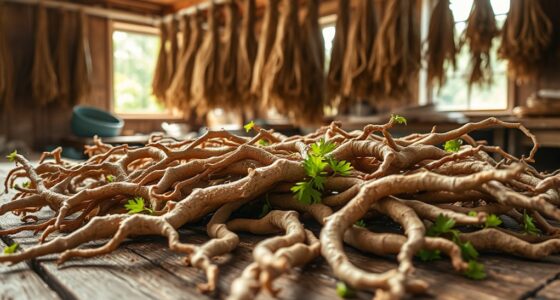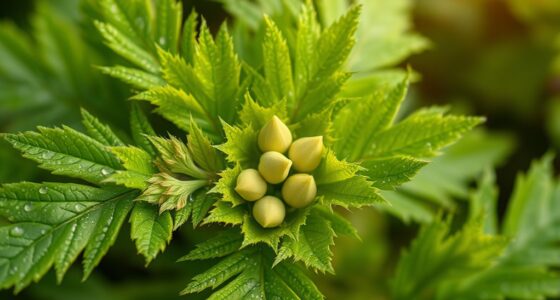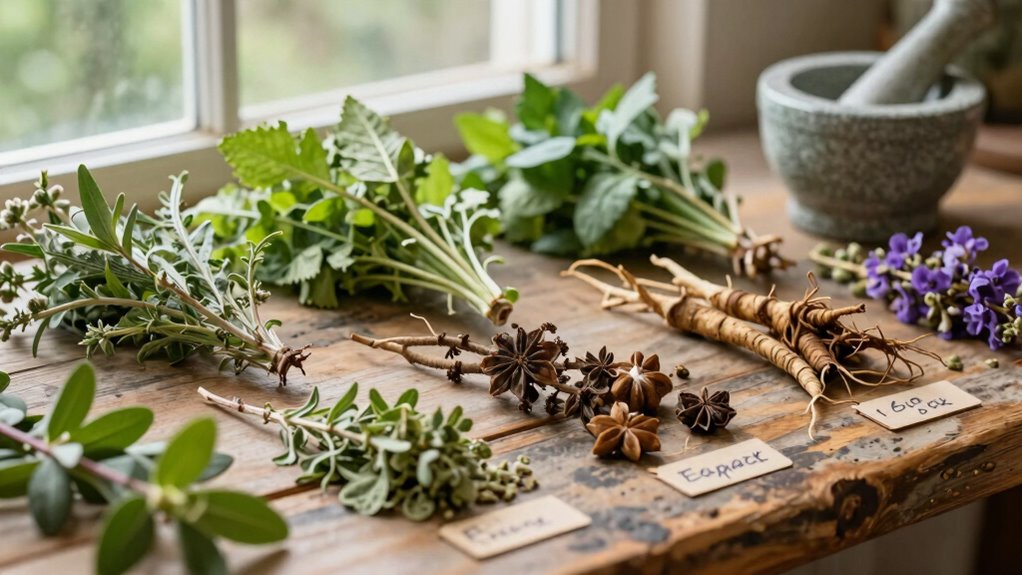
Correct identification of medicinal plants is vital because it guarantees you’re getting the right bioactive compounds for healing and avoids dangerous toxicity. When you misidentify plants, you risk ineffective treatments or harmful side effects. Accurate identification also maintains consistency in dosage, safety, and sustainable harvesting, protecting both your health and the environment. Staying precise in your herbal work makes all the difference; continue to explore why this accuracy truly matters at every step.

Get garden gear delivered free with Prime
- Fast, free delivery on millions of items
- Prime Video, Amazon Music and more included
- Member-only deals all year
Key Takeaways
- Precise ID ensures the presence of active compounds, maximizing therapeutic benefits and avoiding ineffective or harmful plants.
- Accurate identification prevents toxicity and dangerous side effects from misused or wrongly classified species.
- Consistency in plant parts and species guarantees reliable dosing for safe and effective treatments.
- Proper recognition preserves traditional practices and supports ecological sustainability by preventing overharvesting of incorrect or endangered species.
- Overall, correct identification is critical for safety, efficacy, and ethical herbal medicine practices.
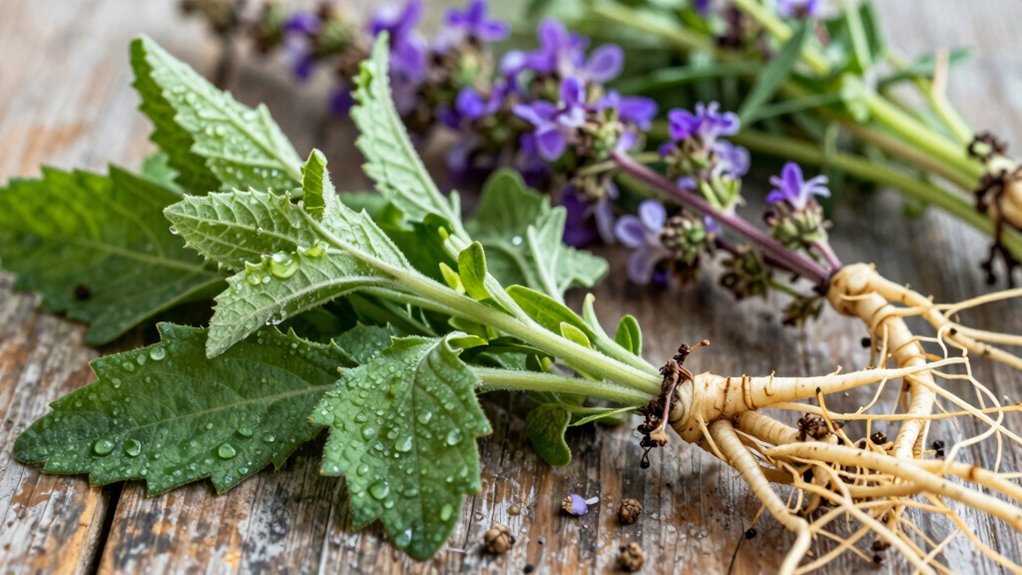
Herbal potency depends heavily on correct plant identification. The active compounds responsible for healing are specific to each plant species. If you mistakenly use the wrong plant, you might find that your remedy doesn’t work at all or, worse, causes harmful side effects. For example, some plants contain potent alkaloids or other bioactive compounds that, in the right doses, promote health. But if misidentified, these same compounds could be dangerously concentrated or completely absent. Accurate identification ensures you’re harnessing the true medicinal qualities of the plant, maximizing therapeutic benefits while minimizing risks.
Accurate plant ID ensures safe, effective herbal remedies by harnessing true medicinal qualities and avoiding harmful risks.
The importance of precise identification extends beyond just avoiding toxicity. It also relates to the consistency of herbal strength. Different plants, or even different parts of the same plant, can vary in their active ingredient concentrations. Without careful identification, you risk inconsistent dosing, which can compromise treatment outcomes. Properly identifying the plant means you can trust its herbal strength, ensuring that each batch of your remedy provides predictable, reliable results. This consistency is crucial whether you’re making tinctures, teas, or topical applications.
Moreover, correct identification helps preserve traditional knowledge and supports sustainable harvesting. Many medicinal plants are endangered or protected, and collecting the wrong species can contribute to ecological imbalance. By being certain about what you’re gathering, you respect the plant’s role in its ecosystem and ensure your herbal practices are responsible and ethical.
Ultimately, your safety, the efficacy of your herbal remedies, and the sustainability of your practice all hinge on your ability to accurately identify medicinal plants. Recognizing the subtle differences, understanding plant toxicity, and appreciating herbal strength aren’t just academic exercises—they’re essential skills that protect you and those you serve. In the domain of medicinals, precision isn’t optional; it’s life-saving.
medicinal plant identification guide
As an affiliate, we earn on qualifying purchases.
As an affiliate, we earn on qualifying purchases.
Frequently Asked Questions
How Can Misidentification Affect Medicinal Potency?
Misidentification can seriously impact medicinal potency because different plants have unique plant chemistry and active compounds. If you mistake one plant for another, you might end up with a product that’s less effective or even harmful. This affects dosage accuracy, making it harder to get the right therapeutic effect. Ensuring correct identification helps preserve the plant’s true potency, so you can rely on its medicinal benefits safely and effectively.
Are There Common Look-Alike Plants That Are Toxic?
Yes, many toxic plants closely resemble safe medicinal ones, often sharing similar plant morphology. For example, deadly hemlock looks like wild carrots, and water hemlock mimics edible parsnips. Ecological indicators can help you differentiate them, but misidentification remains risky. Always double-check plant features, and consult experts before harvesting. Recognizing look-alike plants is essential to avoid poisoning and guarantee safe medicinal use.
What Tools Assist in Accurate Medicinal Plant Identification?
You can confidently identify medicinal plants using botanical guides and digital apps. Botanical guides offer detailed illustrations and descriptions, helping you compare features visually. Digital apps provide instant identification through photos and databases, often including safety warnings. These tools make accurate identification accessible, reducing risks of mistaking toxic look-alikes for medicinal plants. By combining both, you’re better equipped to recognize plants correctly and guarantee safe, effective herbal use.
How Often Do Identification Errors Lead to Health Risks?
Identification errors happen surprisingly often and can pose serious health risks. When plant authentication fails, you might consume herbs that are toxic or ineffective, risking adverse reactions or no relief at all. Accurate herbal authenticity is essential, so double-check plant identities using reliable tools and methods. By doing so, you minimize the danger of misidentification, ensuring safe, effective medicinal use and protecting your health from unnecessary hazards.
Can Traditional Knowledge Reliably Identify Medicinal Plants?
You can’t rely solely on traditional knowledge to identify medicinal plants accurately, as ethnobotanical studies show it can sometimes be imprecise. Indigenous practices offer valuable insights, but variations in local terminology and experience can lead to misidentification. Combining traditional knowledge with scientific methods enhances accuracy, ensuring safe and effective medicinal use. Proper identification is critical to prevent health risks and protect both users and plant populations.
Conclusion
You hold the power to guarantee safe healing by correctly identifying medicinals, like an artist choosing the right brush for a masterpiece. Picture yourself walking through a lush forest, leaves whispering secrets, roots hidden beneath the soil, waiting to be trusted. When you take that extra moment to verify, you’re planting the seed for health, not harm. Your careful eye becomes the guardian of nature’s gift, turning wild plants into trusted healers.
Fall yard work Picks
leaf blowers
As an affiliate, we earn on qualifying purchases.