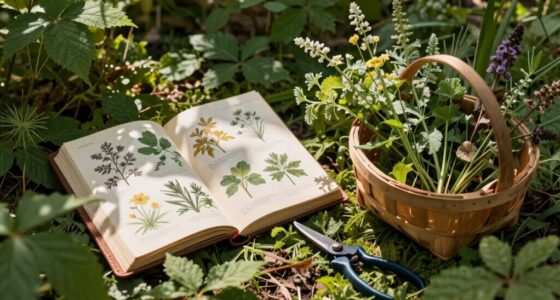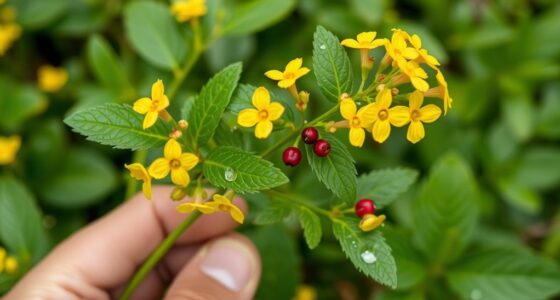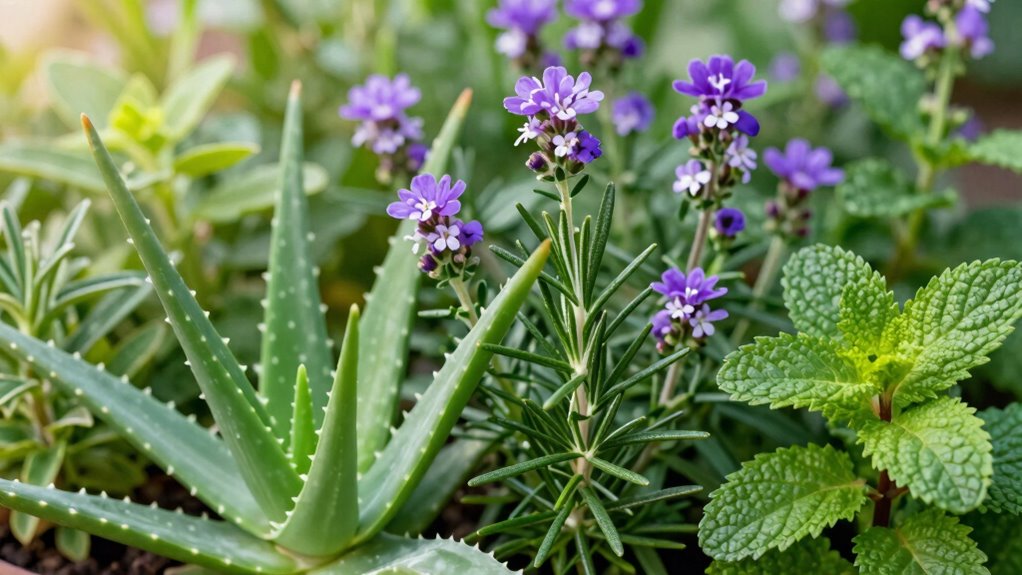

Start with familiar, widely used herbs like chamomile, peppermint, lavender, and ginger. These plants have proven benefits for common issues such as stress, digestion, and inflammation, making them practical choices for beginners. They’re safe, versatile, and have a long history of effective traditional use. By mastering these herbs first, you’ll build a solid foundation in herbal remedies and gain confidence in your herbal practice. Keep exploring to discover even more valuable medicinal plants.

Get garden gear delivered free — and shop member deals
- Fast, free delivery on millions of items
- Access to Prime Big Deal Days deals on October 6–7
- Prime Video, Amazon Music and more included
Key Takeaways
- Focus on familiar, widely used herbs like chamomile, peppermint, lavender, and ginger for their proven safety and effectiveness.
- Prioritize herbs with a long history of traditional use for common ailments such as digestion, relaxation, and inflammation.
- Learn herbs that are versatile and easy to prepare, like teas, tinctures, and topical applications.
- Start with herbs that address everyday health issues to build practical herbal knowledge and confidence.
- Understand the traditional uses and safety profiles of each herb to ensure responsible and effective application.
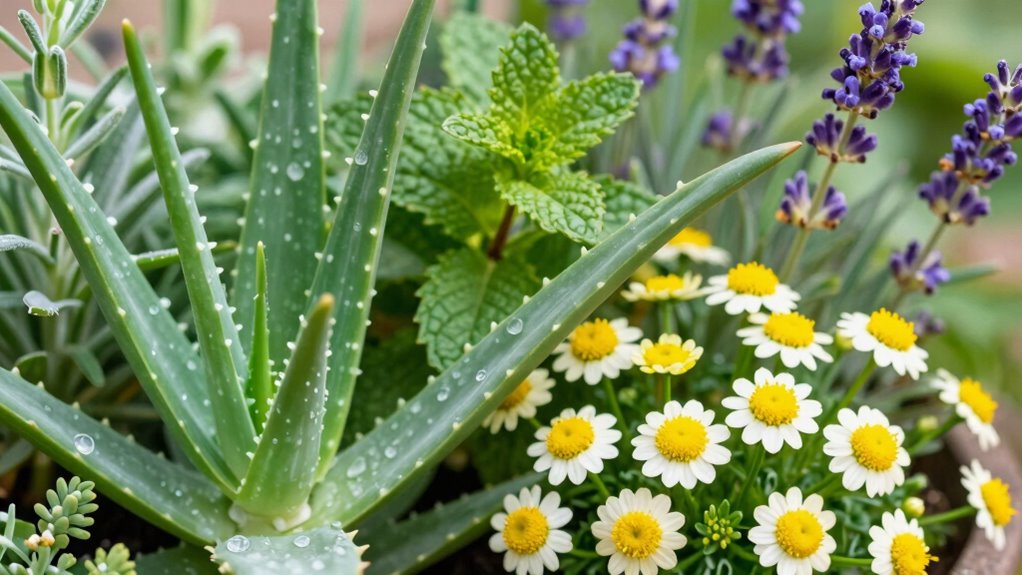
Starting your journey into herbal medicine can be both exciting and overwhelming, but learning about a few key medicinal plants first makes the process manageable. When you focus on familiar, widely used herbs, you build a solid foundation for understanding herbal remedies and their traditional uses. These plants have stood the test of time, so you can trust their effectiveness and safety when used properly.
One of the most essential plants to start with is chamomile. Known for its calming properties, chamomile has been used for centuries in traditional medicine to ease anxiety, promote sleep, and soothe digestive issues. You’ll find it in many herbal remedies, often in teas or tinctures, because its traditional uses span from calming nerves to reducing inflammation. Learning to identify chamomile and understanding its traditional uses gives you a versatile tool for promoting relaxation and easing minor ailments.
Chamomile is a versatile herb valued for calming nerves, easing digestion, and reducing inflammation in traditional herbal remedies.
Next, consider peppermint. Its invigorating aroma and flavor are familiar, and its medicinal uses are just as common. Peppermint has been traditionally used to relieve headaches, indigestion, and colds. Its active compounds, like menthol, make it a popular choice for herbal remedies aimed at calming stomach discomfort and clearing nasal passages. By mastering peppermint’s traditional uses, you gain an accessible herb that can help with a variety of common issues, making it a practical first choice in your herbal toolkit.
Lavender is another crucial plant to learn early on. Its soothing scent isn’t just pleasant — lavender has a long history of traditional uses in reducing stress, promoting sleep, and healing skin irritations. Whether used in essential oils, teas, or topical applications, lavender’s versatility makes it invaluable. Knowing how to incorporate lavender into your herbal remedies allows you to harness its calming effects and add a touch of comfort to daily life.
Finally, ginger deserves a spot on your beginner’s list. Its spicy warmth and traditional uses in treating nausea, colds, and inflammation make it a must-know herb. Ginger has been used in traditional medicine for thousands of years, and its herbal remedies are straightforward to prepare and effective. Understanding how to properly prepare and use ginger enhances its medicinal properties, helping you address digestive issues and boost your immune system naturally.
As an affiliate, we earn on qualifying purchases.
Frequently Asked Questions
Are Medicinal Plants Safe for Children and Pregnant Women?
Medicinal plants can be safe for children and pregnant women when used with proper herbal safety awareness, but caution is essential. You should always consult a healthcare professional before using any herbal remedies for child protection or during pregnancy, as some plants may cause adverse effects. Avoid self-medicating, and make certain you know the correct dosages and potential risks to protect your loved ones effectively.
How Do I Identify Medicinal Plants in the Wild Accurately?
Perfect plant identification is pivotal for safe wild foraging. Pay close attention to plant features like leaves, flowers, and stems, and compare them with reputable guides or apps. Look for distinctive details—such as leaf shape, color, and texture—that set plants apart. Always double-check your findings, and when in doubt, consult an expert. Proper plant identification guarantees your wild foraging is safe, successful, and satisfying.
Can Medicinal Plants Replace Conventional Medicine Entirely?
Medicinal plants can complement traditional medicine through herbal synergy, but they shouldn’t replace conventional treatments entirely. You should recognize that traditional knowledge guides safe and effective use, yet modern medicine offers scientifically tested solutions. Relying solely on plants might overlook critical health issues or interactions. Use them wisely, integrating traditional knowledge with medical advice, to support your health rather than risking unproven cures.
What Are Common Side Effects of Using Medicinal Plants?
Did you know that herbal toxicity causes about 20% of adverse reactions from medicinal plants? Common side effects include allergic reactions, stomach upset, and dizziness. You need to be cautious with dosage considerations, as too much can lead to toxicity. Always research specific plants, follow recommended dosages, and consult a healthcare professional to minimize risks and make sure of safe, effective use of medicinal plants.
How Should I Store and Preserve Medicinal Plants Properly?
To store and preserve medicinal plants properly, start with herb drying by hanging plants upside down in a cool, dark, and dry place until completely dried. Then, use airtight storage containers like glass jars to keep the herbs fresh and prevent moisture. Label each container clearly, and store them away from sunlight and heat to maintain their potency. Regularly check for mold or pests to guarantee long-lasting preservation.
Conclusion
By starting with these essential medicinal plants, you’ll build a strong foundation in herbal healing. Did you know that nearly 80% of the world’s population relies on traditional plant-based medicines for their healthcare needs? Learning these key plants not only empowers you to manage common ailments naturally but also connects you to centuries of healing wisdom. Immerse yourself, explore, and harness the power of nature’s medicine cabinet—you’re about to open a world of wellness.
Fall yard work Picks
leaf blowers
As an affiliate, we earn on qualifying purchases.