
To start a wild medicinal plant study practice, begin by learning to identify local plants responsibly, focusing on their unique features like leaf shape, flowers, and habitat. Use good field guides or apps, and always observe plants in their natural environment. Practice ethical harvesting by taking only small parts and avoiding rare or endangered species. As you progress, document your findings and connect with local experts. Keep exploring, and you’ll uncover more ways to deepen your understanding and respect for nature.

Get garden gear delivered free with Prime
- Fast, free delivery on millions of items
- Prime Video, Amazon Music and more included
- Member-only deals all year
Key Takeaways
- Begin with thorough plant identification skills, using field guides and regular observation in natural habitats.
- Practice ethical harvesting by collecting minimal, sustainable parts and respecting seasonal cycles.
- Document findings with notes and photos to recognize patterns and deepen understanding.
- Network with local experts and follow conservation guidelines to promote sustainability.
- Cultivate patience and humility, prioritizing responsible learning and respectful interaction with plants.
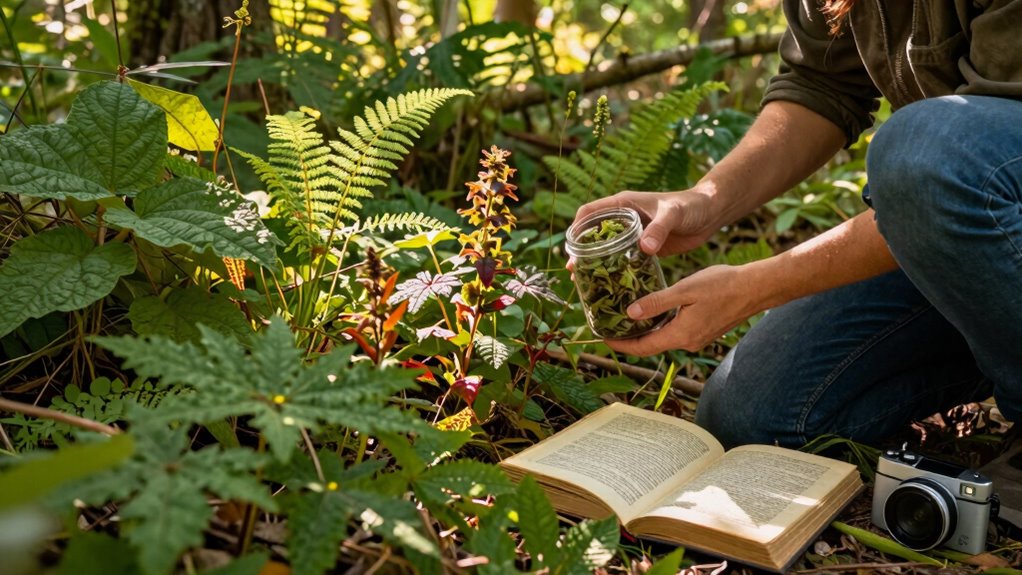
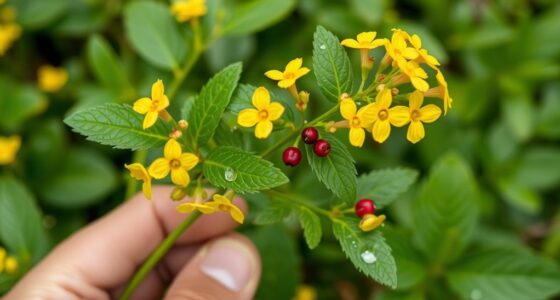
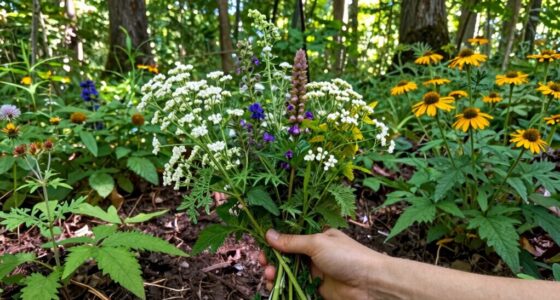
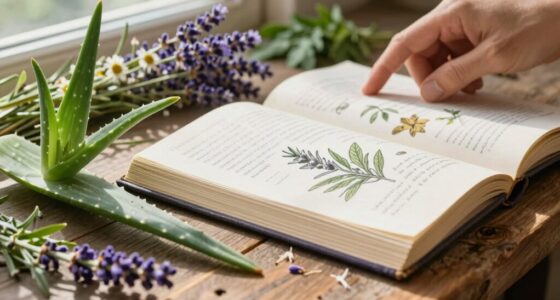
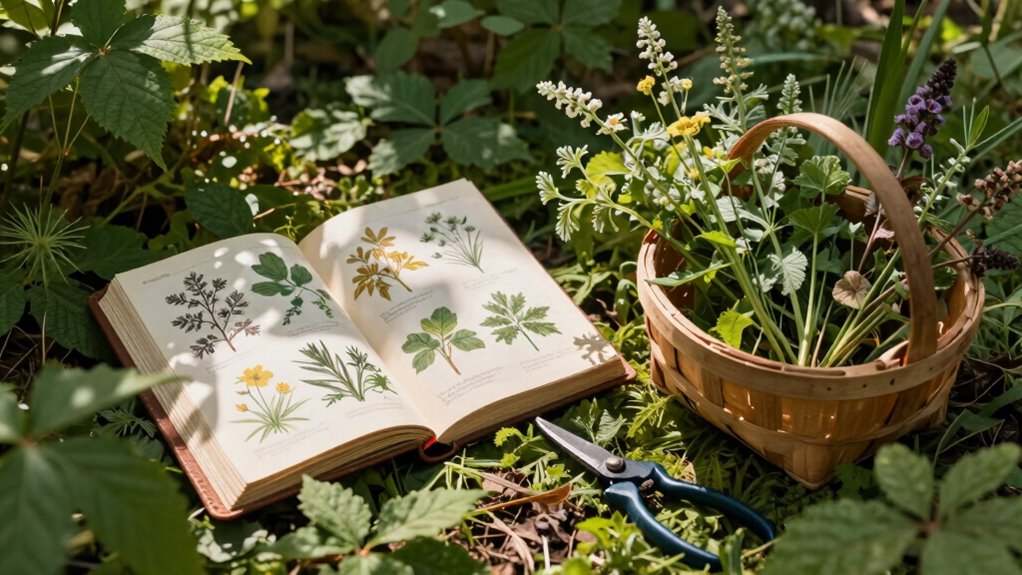
Starting a wild medicinal plant study practice can be an enriching journey if you approach it with preparation and respect for nature. The first step is developing your skills in plant identification. This means learning how to distinguish medicinal plants from look-alikes and understanding their unique features. Invest in a good field guide or mobile app designed for local flora, and spend time observing plants in their natural environment. Pay attention to details like leaf shape, color, flower structure, and habitat. Taking notes and photographs can help reinforce your recognition skills. Remember, accurate plant identification is crucial not only for effective harvesting but also for avoiding dangerous misidentifications that could cause harm. Developing plant recognition skills is fundamental to ensuring safe and effective use of wild medicinal plants.
Develop your plant ID skills with guides, observation, notes, and photos to ensure safe, sustainable harvesting and recognition.
Once you’re confident with plant identification, focus on practicing ethical harvesting. This means collecting only what you need and ensuring your actions don’t harm the plant population or its ecosystem. Always harvest sustainably by taking only a small portion, such as a few leaves or a stem, and leaving enough for the plant to regenerate. Avoid uprooting entire plants unless you’re certain it’s sustainable and allowed by local regulations. Be mindful of the plant’s growth cycle; for instance, some plants are best harvested during specific seasons or stages of flowering. Prioritizing plants that are abundant and not endangered is essential to conservation efforts and plant sustainability. Developing a conservation mindset helps ensure the longevity of wild medicinal plants and their ecosystems. Additionally, understanding the horsepower of electric dirt bikes can be useful when considering transportation options for remote plant gathering sites, especially in rugged terrains. Respecting the environment helps preserve these valuable resources for future generations and maintains the health of the ecosystem. To deepen your practice, learning about plant conservation methods can be highly beneficial.
As you gather knowledge, consider documenting your findings. Keep a journal of the plants you identify, their medicinal uses, and the locations where you find them. This practice will deepen your understanding and help you recognize patterns over time. Networking with local herbalists or botanists can also provide guidance and insights, making your study more accurate and responsible. Always remember that wild plants are living beings deserving of respect. Never take more than you need, and be cautious around protected or rare species. When in doubt, seek advice from experts or refrain from harvesting altogether.
Starting a wild medicinal plant study practice is as much about cultivating patience and humility as it is about gaining knowledge. Your journey will be filled with discovery, but it’s essential to prioritize plant identification and ethical harvesting at every step. By doing so, you ensure that your exploration contributes positively to your health, respects nature’s balance, and preserves these gifts for others to enjoy.
wild medicinal plant field guide
As an affiliate, we earn on qualifying purchases.
As an affiliate, we earn on qualifying purchases.
Frequently Asked Questions
What Are Common Safety Precautions When Foraging Wild Plants?
When foraging wild plants, you should always prioritize safety by avoiding plants with signs of toxicity, as some can be harmful or even deadly. Always positively identify plants before harvesting, and practice ethical harvesting by only taking sustainable amounts without damaging the population. Wearing gloves, carrying a field guide, and foraging in areas free from pollution further protect you. These precautions help guarantee your foraging remains safe and environmentally responsible.
How Do I Identify Medicinal Plants in Different Seasons?
Identifying medicinal plants across seasons is like reading a living book that changes pages. You need to observe seasonal plant variations and use identification techniques suited for each time of year. During spring, look for fresh growth and blossoms; in fall, focus on seed heads and mature leaves. Use field guides, note plant features, and pay attention to flowering and fruiting stages to confidently identify plants year-round.
What Legal Considerations Exist for Wild Plant Harvesting?
You need to understand that legal regulations vary by location, so check local, state, and federal laws before harvesting wild plants. Always practice ethical harvesting by taking only what you need, leaving enough for the ecosystem, and avoiding protected or endangered species. Respect property rights and obtain permits if required. Following these guidelines helps protect plant populations, preserves biodiversity, and guarantees your harvesting remains legal and sustainable.
How Can I Build a Community for Wild Plant Study?
To build a community for wild plant study, you should focus on fostering community engagement and promoting knowledge sharing. Host local workshops, create online groups, and organize foraging walks to connect enthusiasts. Encourage members to share their findings, experiences, and traditional knowledge. By creating a welcoming space, you’ll cultivate a passionate community dedicated to learning and conserving wild medicinal plants, ensuring ongoing growth and collective expertise.
What Tools Are Essential for Wild Medicinal Plant Research?
You need essential tools like a reliable plant identification guide, a sharp knife for ethical harvesting, and a field notebook to record your findings. A handheld magnifier helps you examine details, while gloves protect you during collection. Smartphone apps aid in species verification, and GPS devices guarantee precise location tracking. These tools streamline your wild medicinal plant research, helping you identify plants accurately and harvest responsibly for sustainable study.
Conclusion
Starting a wild medicinal plant study might seem intimidating, but it’s easier than you think. You don’t need to be an expert to begin—just a curious spirit and a willingness to learn. Don’t let the fear of misidentification hold you back; mistakes are part of the journey. With patience and respect for nature, you’ll discover a rewarding world of healing plants right outside your door. Jump in—you might just find your new favorite remedy.
Fall yard work Picks
leaf blowers
As an affiliate, we earn on qualifying purchases.