TL;DR

Get garden gear delivered free with Prime
- Fast, free delivery on millions of items
- Prime Video, Amazon Music and more included
- Member-only deals all year
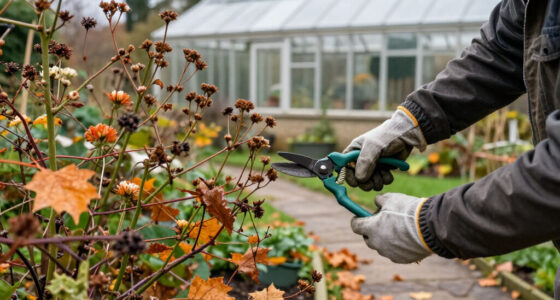
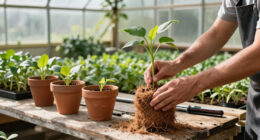
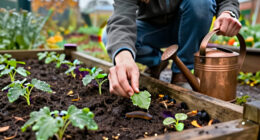
The RHS is encouraging gardeners to plant trees, shrubs and herbaceous perennials in autumn, when warm, moist soil and cooler air can give plants time to establish before summer heat. British Garden Centres has also published a guide to plants it says cope well with hot conditions. The advice follows a summer of unusually severe heat and drought, though results will depend on local conditions and plant care.
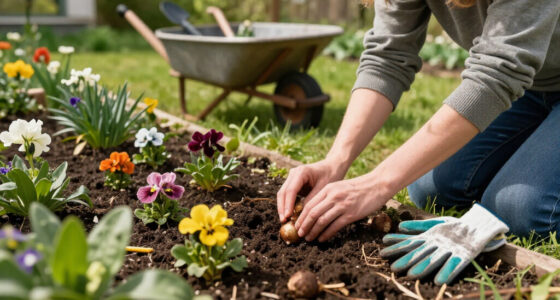
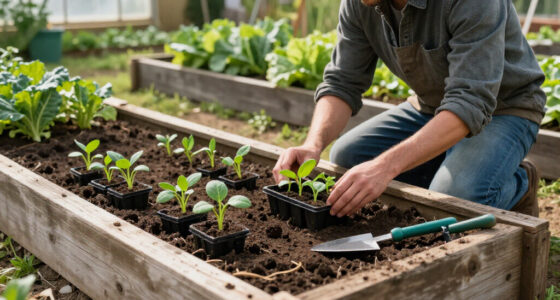
The Royal Horticultural Society (RHS) is urging gardeners to plant trees, shrubs and herbaceous perennials in autumn, giving them time to establish before the heat and dry spells of summer. The advice follows a summer of severe heat and drought and is aimed at helping gardens cope with future extreme temperatures.
The RHS says autumn, winter and spring can give newly planted specimens a longer period to develop roots before hot weather returns. Warm, moist soil supports root growth, while cooler air can reduce stress on plants compared with planting during summer heat. The RHS also points to falling weed and pest pressure as conditions that can give plants more room to establish.
Separately, British Garden Centres has launched a guide to plants it says can thrive in hot weather and can be planted now. Its examples include sedums, Verbena bonariensis, asters, chrysanthemums, sea hollies and ornamental grasses. The source does not provide the full guide or specify individual varieties, planting conditions or care instructions.
Julian Palphramand, head of plants at British Garden Centres, described the listed varieties as generally tough and forgiving once established. The RHS recommendation is broader: it encourages autumn planting of trees, shrubs and herbaceous perennials, rather than limiting the advice to plants selected for hot-weather tolerance.
Giving Roots Time Before Summer Heat
The guidance offers gardeners a practical way to adapt planting schedules as they face hotter, drier conditions. Planting in autumn can give roots several cooler months to develop, which may leave plants better placed to access water when summer conditions become more demanding. The RHS says this approach can also help gardeners use water more wisely.
The advice is not a guarantee that plants will withstand drought without care. Establishment still depends on factors such as soil, site, plant choice and weather, and newly planted plants may need watering while their roots develop. Gardeners should follow advice suited to their local conditions rather than assume that a plant described as resilient will require no attention.
autumn planting trees shrubs perennials
As an affiliate, we earn on qualifying purchases.
As an affiliate, we earn on qualifying purchases.
Advice After Heat and Drought
The Amateur Gardening report presents the planting recommendations as part of a wider response to a summer it describes as involving unprecedented heat and drought. It says horticultural experts are compiling checklists of plants and practices to help gardeners prepare for future extreme temperatures. No temperature records, drought measurements or geographic scope are included in the supplied report, so the description cannot be independently quantified here.
The two pieces of advice in the report are related but distinct. British Garden Centres’ guide highlights plants said to cope with hot weather; the RHS focuses on when to plant, recommending autumn for trees, shrubs and herbaceous perennials so they can establish ahead of summer. The report does not give a detailed regional calendar, and suitable planting dates may vary with local weather and ground conditions.
“They’re generally tough, forgiving and happy with less-than-perfect conditions once established.”
— Julian Palphramand, head of plants at British Garden Centres
Local Results Will Vary
The report does not identify the locations covered by the advice, give planting dates for different regions or name the specific species and varieties in the full British Garden Centres guide. It also offers no trial data comparing autumn planting with other seasons, or measurements of survival rates and water use.
It is not clear how much the recommendations will improve outcomes during future droughts, which can vary in duration and severity. The RHS and garden-centre comments describe potential advantages, but no quantified results are provided. Gardeners will need to account for their soil, exposure, drainage and local forecast when deciding what and when to plant.
Plan Planting Around Local Conditions
Gardeners considering the advice can use the autumn period to select suitable trees, shrubs or perennials and check their needs against the conditions in their own gardens. The source advises planting now but does not provide a step-by-step schedule; local horticultural guidance can help clarify suitable timing and aftercare.
British Garden Centres’ plant guide is the other resource identified in the report. No further RHS announcement, research publication or follow-up milestone is specified. The next test of the advice will be how plants establish through the cooler months and cope with the next period of summer heat, a result that will depend on local conditions and care.
Key Questions
Why is the RHS recommending autumn planting?
The RHS says planting trees, shrubs and herbaceous perennials in autumn gives them autumn, winter and spring to establish before summer heat. Warm, moist soil can support root growth, while cooler weather may reduce stress.Which plants does the British Garden Centres guide mention?
The report lists sedums, Verbena bonariensis, asters, chrysanthemums, sea hollies and ornamental grasses as examples from the group’s guide to plants that thrive in hot weather.Does autumn planting mean plants will not need watering?
No. The report says autumn planting can help plants establish and may help gardeners use water more wisely, but it gives no guarantee that plants will withstand dry weather without watering. Needs depend on the plant and local conditions.Is the advice suitable for every region and garden?
The report does not provide regional planting dates or detailed site guidance. Gardeners should account for local weather, soil, drainage and exposure when choosing plants and timing.Source: rss
Columbus Day / Indigenous Peoples' Day Picks
long weekend sales
As an affiliate, we earn on qualifying purchases.