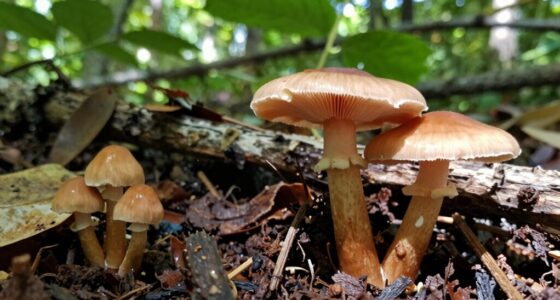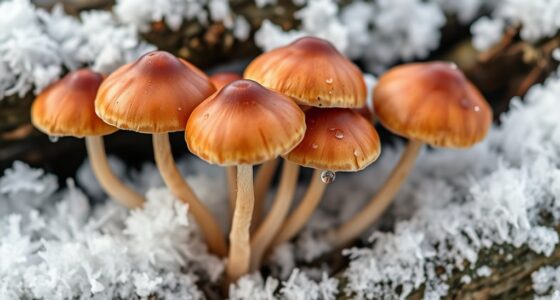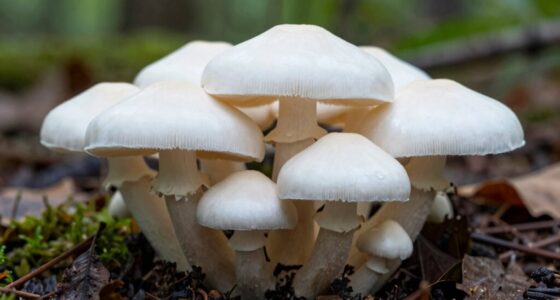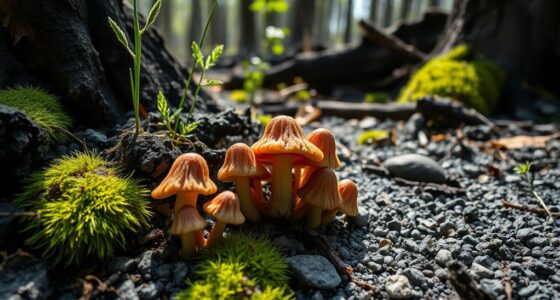

Keeping mushroom notes each season helps you improve your ID skills and recognize edible versus toxic species more confidently. It helps you spot seasonal patterns, track environmental changes, and refine your foraging techniques. By recording details like location, appearance, and preservation results, you build a valuable resource for future harvests. Staying organized guarantees safer, smarter foraging and supports responsible harvesting. If you want to discover more ways to make the most of your mushroom adventures, keep exploring.

Get garden gear delivered free — and shop member deals
- Fast, free delivery on millions of items
- Access to Prime Big Deal Days deals on October 6–7
- Prime Video, Amazon Music and more included
Key Takeaways
- They improve identification skills and help distinguish edible from toxic fungi across seasons.
- Recording seasonal patterns aids in predicting and locating fungi during peak growth times.
- Detailed notes enhance preservation techniques, ensuring better shelf life and quality.
- Keeping records promotes sustainable foraging by tracking vulnerable species and environmental changes.
- A personal mushroom database increases foraging safety, confidence, and long-term learning.
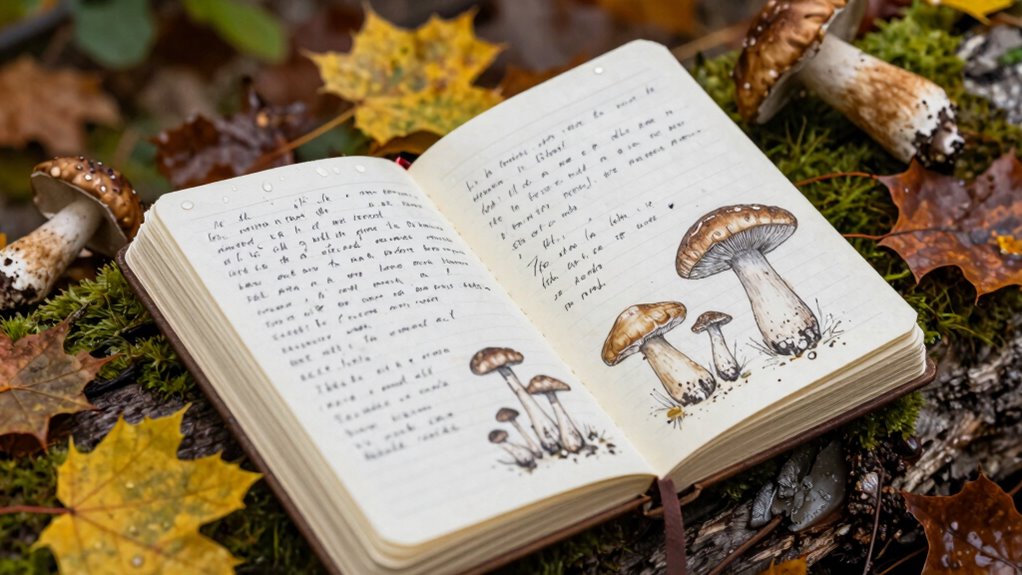
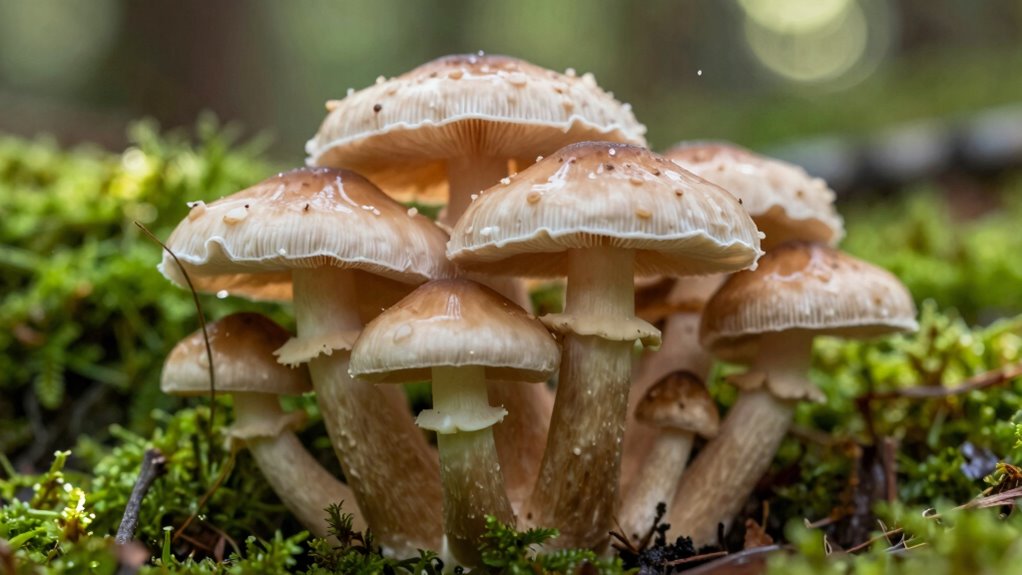
Mushrooms appear in different varieties and abundance throughout the year, making it crucial to understand what to look for in each season. Keeping detailed mushroom notes can greatly enhance your foraging experience, helping you identify edible species and avoid dangerous look-alikes. When you jot down what you find, including the date, location, weather conditions, and the mushroom’s appearance, you create a valuable record that guides your future outings. These notes become especially useful when trying to recognize seasonal patterns or spotting new fungi you haven’t encountered before. They can also help you refine your foraging tips, ensuring you focus on the most promising areas and times of year.
Keeping detailed notes on mushrooms helps identify species, recognize seasonal patterns, and improve your foraging success.
As you gather mushrooms, taking notes on their size, shape, gill color, and scent can improve your identification skills. Foraging tips often emphasize the importance of careful observation, and keeping detailed records makes it easier to spot subtle differences between edible and toxic varieties. Over time, your notes help you develop a keen eye for the fungi that grow in specific conditions, whether it’s the early spring morels or late fall chanterelles. This knowledge boosts your confidence and safety during foraging trips. Additionally, understanding the contrast ratio of various mushrooms can aid in distinguishing between similar species under different lighting conditions. Incorporating knowledge about seasonal growth patterns can further refine your ability to anticipate what mushrooms might appear in each period. Staying aware of these patterns can also support your ethical foraging practices by preventing overharvesting of vulnerable species. Recognizing these patterns is especially important in areas where certain species are protected or rare.
Beyond identification, mushroom notes are invaluable for preservation methods. Once you’ve collected your bounty, your records help you decide how best to preserve each type. For example, some mushrooms lend themselves well to drying, while others are better suited for freezing or pickling. By noting how each mushroom responded to previous preservation attempts, you can refine your techniques and maximize the shelf life of your harvest. Proper documentation ensures you don’t forget the specifics of each batch—like drying times or brining recipes—so you can replicate successful results and avoid mistakes.
Keeping detailed mushroom notes also encourages responsible foraging. With a clear record, you’re less likely to overharvest or pick species in decline, promoting sustainability. It helps you stay aware of local regulations and protected species, ensuring you practice ethical foraging. Additionally, your notes might come in handy if you ever need to consult with expert mycologists or mushroom clubs. Sharing your observations can contribute to local knowledge, and over time, you’ll build an extensive personal database that makes each season’s foraging more rewarding. Maintaining these records can also highlight environmental changes that impact mushroom growth, aiding conservation efforts.
In short, maintaining mushroom notes throughout every season isn’t just about remembering what you found; it’s about honing your skills, ensuring safety, and enjoying each foraging adventure to its fullest. They serve as a personal guide, a preservation manual, and a tool for responsible harvesting—all of which make your mushroom journey more successful and enjoyable.
As an affiliate, we earn on qualifying purchases.
Frequently Asked Questions
How Do Mushroom Notes Help With Foraging Safety?
Mushroom notes boost your foraging safety by helping you identify safe mushrooms at various foraging locations. By organizing your notes, you can track which species are edible or toxic, making it easier to recognize patterns and avoid dangerous look-alikes. Regularly updating your notes guarantees you remember essential details, reducing mistakes. This organized approach keeps you confident and safer during each foraging trip, especially when exploring new or unfamiliar locations.
Can Mushroom Notes Be Used for Cooking Tips?
Ever wonder how mushroom notes can elevate your cooking? Yes, you can use them for cooking tips, especially to explore different cooking techniques and enhance flavor profiles. These notes guide you on preparing mushrooms perfectly—whether sautéing, roasting, or adding to stews. They help you understand subtle flavor differences and when to use certain methods, making your dishes more delicious and ensuring you get the most out of every mushroom.
Are Mushroom Notes Useful for Identifying Rare Species?
Yes, mushroom notes can be useful for identifying rare species. By documenting key features and growth habits, you enhance your identification techniques. When you keep detailed notes, you develop a better understanding of subtle differences, making it easier to distinguish rare species from common ones. This ongoing record helps you recognize unique traits over time, increasing your confidence and accuracy in mushroom identification, especially for elusive or rare varieties.
How Often Should I Update My Mushroom Notes?
You should update your mushroom notes after each foraging trip, especially when you encounter new species or seasonal changes. Think of your notes as seasonal storage, like a pantry that needs fresh labels for each harvest. Regular updates help keep your note organization clear, ensuring you recognize patterns and avoid confusion. By doing so, you’ll gradually build a reliable, detailed guide that improves your foraging skills over time.
Do Mushroom Notes Include Medicinal Properties?
Yes, mushroom notes often include medicinal properties, drawing from fungal folklore and mushroom mythology. You’ll find details about traditional uses, health benefits, and healing properties of various fungi. Keeping these notes helps you understand how different mushrooms have been revered for their medicinal qualities across cultures and time. By documenting this, you preserve valuable knowledge about the healing potential of fungi, enhancing your foraging and health practices.
Conclusion
Keeping mushroom notes year-round isn’t just about tracking your finds; it’s about connecting with nature’s rhythms. Did you know that the average mushroom forager finds over 50 different species in a single season? By noting details each season, you sharpen your skills and deepen your appreciation for these fascinating fungi. So, grab your notebook and keep those notes coming—your future foraging adventures will thank you for the insights you’ve gathered today.
Fall yard work Picks
leaf blowers
As an affiliate, we earn on qualifying purchases.