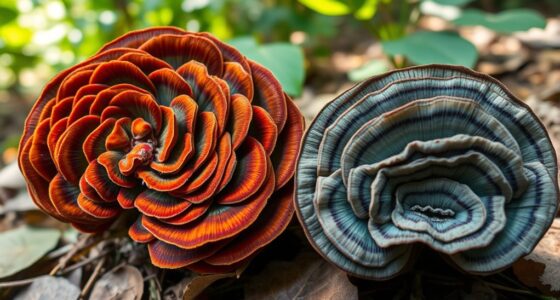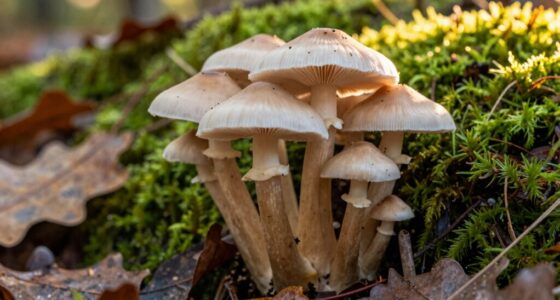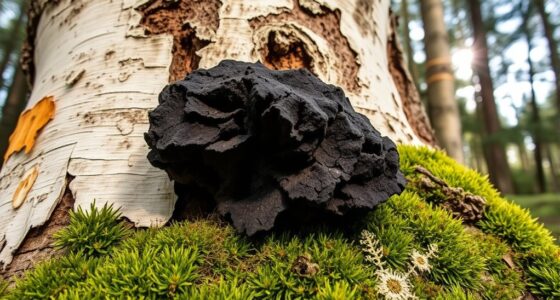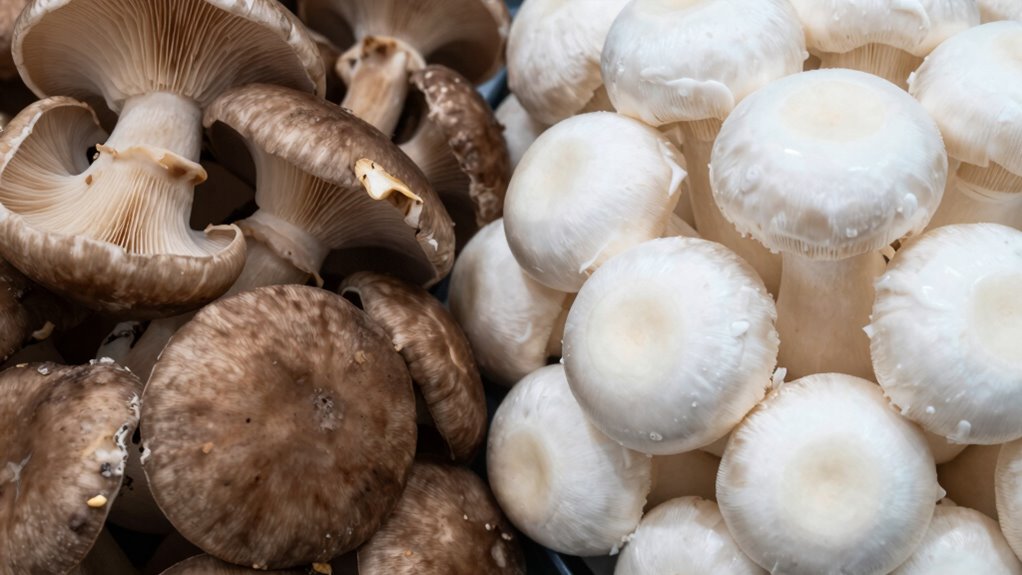

The main difference between edible and choice mushrooms is that edible mushrooms are safe to eat, while choice mushrooms indicate higher quality, appearance, or flavor. Choice mushrooms often look better and are more desirable for culinary purposes but aren’t necessarily safer than other edible types. Proper identification and handling are vital to avoid poisoning. If you want to uncover how to distinguish these varieties and guarantee your mushroom dishes are both tasty and safe, there’s more to learn ahead.

Get garden gear delivered free — and shop member deals
- Fast, free delivery on millions of items
- Access to Prime Big Deal Days deals on October 6–7
- Prime Video, Amazon Music and more included
Key Takeaways
- Edible mushrooms are safe to eat, while choice mushrooms indicate higher quality or desirability, not safety.
- Proper identification is essential to distinguish edible types from poisonous varieties.
- Choice mushrooms often have superior flavor, aroma, and appearance, enhancing culinary dishes.
- Safety depends on correct handling, harvesting, and storage, regardless of whether they are edible or choice.
- The term “choice” reflects quality, not safety, emphasizing appearance and flavor rather than edibility.
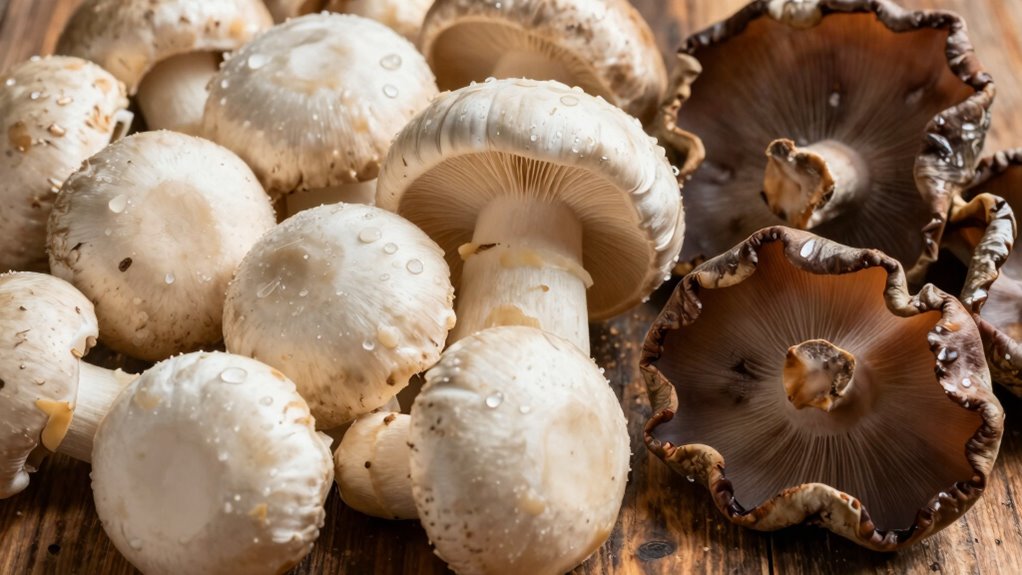
When it comes to mushrooms, understanding the difference between edible and choice varieties is essential for safe and enjoyable foraging or purchasing. Knowing how to identify which mushrooms are safe to eat is the first step in avoiding potential poisoning. Once you’ve identified edible mushrooms, you can focus on proper mushroom harvesting techniques to ensure you gather the best quality. Carefully pick mushrooms by cutting them at the base rather than pulling, which helps preserve the mycelium underground for future growth. Handle them gently to prevent bruising, and always double-check your finds against trusted guides or experts. This attention to detail ensures you’re collecting safe, fresh mushrooms that will shine in your culinary creations. Additionally, familiarizing yourself with common poisonous mushroom varieties can help prevent accidental ingestion of toxic species. The culinary uses of mushrooms are incredibly diverse, and understanding their qualities helps you maximize flavor and texture. Edible mushrooms like button, portobello, shiitake, and cremini are versatile ingredients in many dishes—from sautés and soups to stuffed mushrooms and pasta sauces. Choice mushrooms, often of higher quality or more distinctive varieties like maitake or chanterelles, can elevate your cooking, offering richer flavors and more complex aromas. These mushrooms are often prized for their culinary value, and handling them correctly during harvest enhances their taste and appearance when cooked. When foraging or shopping for mushrooms, it’s vital to distinguish between edible and non-edible or toxic varieties. Many choice mushrooms are considered top-tier for their flavor, but the term doesn’t refer to safety. Instead, it often indicates a premium quality or more desirable appearance. You should always rely on mushroom harvesting techniques that prioritize safety—proper identification, clean handling, and correct storage. Remember, even edible mushrooms can be toxic if they’re contaminated or improperly prepared. Cooking generally neutralizes many toxins, but some mushrooms require thorough identification and preparation to be safe. Additionally, proper handling techniques during harvesting can help extend the freshness and flavor of your mushrooms. In the kitchen, the difference between common edible mushrooms and choice varieties often comes down to flavor intensity, aroma, and texture. Choice mushrooms tend to have more pronounced flavors, making them ideal for gourmet dishes. Incorporate them whole or sliced into your recipes to enhance depth and complexity. Properly stored, fresh mushrooms retain their best qualities, so handle them carefully from harvest or purchase to plate. By understanding both mushroom harvesting techniques and the culinary uses of mushrooms, you can confidently explore a wide range of dishes, elevating simple meals into culinary delights while keeping safety at the forefront.
edible mushroom identification guide
As an affiliate, we earn on qualifying purchases.
As an affiliate, we earn on qualifying purchases.
Frequently Asked Questions
Are There Any Health Risks With Eating Choice Mushrooms?
Yes, there are health risks with eating choice mushrooms if you’re not careful. You might accidentally consume a poisonous mushroom, risking mushroom poisoning, which can cause severe symptoms or even be life-threatening. To avoid this, always rely on proper toxin detection methods and expert identification. Eating only verified edible or choice mushrooms minimizes these risks, ensuring you enjoy their benefits without fearing harmful toxins or poisoning.
How Can I Identify Toxic Mushrooms in the Wild?
Like a seasoned detective, you must stay alert to avoid mushroom poisoning. To identify toxic mushrooms, carefully examine their features—gills, cap shape, and color. Avoid mushrooms with white gills, a bulbous base, or red coloring, as these often indicate toxicity. Always cross-reference with reliable guides or experts. Remember, toxic mushroom identification is essential to prevent dangerous poisoning, so never eat wild mushrooms unless you’re 100% certain they’re safe.
Do All Edible Mushrooms Have the Same Nutritional Value?
Not all edible mushrooms have the same nutritional value. Nutritional comparisons show variations in vitamins, minerals, and protein content depending on the type. For example, shiitake mushrooms offer immune-boosting compounds, while portobellos provide more fiber. Flavor profiles also differ, influencing how you prepare them. So, when choosing mushrooms, consider their nutritional benefits and taste to maximize your health and culinary experience.
Can Choice Mushrooms Be Safely Cultivated at Home?
Imagine a garden of endless possibilities—yes, you can safely cultivate choice mushrooms at home. With patience and care, your space transforms into a sanctuary for mushroom varieties, each a symbol of growth and discovery. Proper sterilization, correct substrates, and expert guidance turn home cultivation into a rewarding journey. Your efforts can yield delicious, high-quality mushrooms, bringing nature’s bounty right to your kitchen, and fueling your passion for sustainable living.
What Is the Best Way to Store Edible Mushrooms?
To keep your edible mushrooms fresh, focus on proper mushroom preservation. Store them in a paper bag or wrap them in a damp cloth and place them in the refrigerator’s crisper drawer. Avoid plastic containers, as they trap moisture and cause spoilage. Use your mushrooms within a few days, and always check for any signs of spoilage before cooking. These storage techniques help maintain their flavor and texture longer.
Conclusion
Choosing between edible and choice mushrooms isn’t just about taste—it’s about safety and quality. While edible mushrooms might be safe, choice mushrooms elevate your culinary experience with richer flavor and better texture. However, the risk of confusion or misidentification can turn a delightful meal into a dangerous mistake. Remember, the true difference lies in knowledge. Enjoy the best, but always prioritize safety—because the line between a delicious mushroom and a deadly one is thinner than you think.
Fall yard work Picks
leaf blowers
As an affiliate, we earn on qualifying purchases.