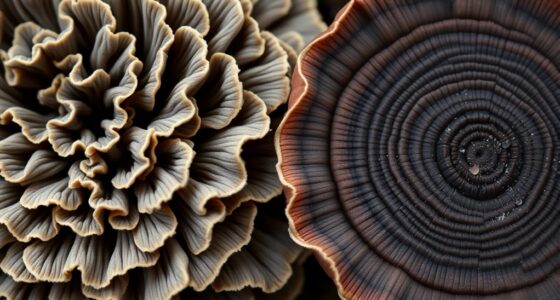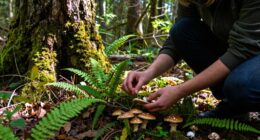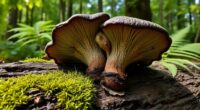
Lobster mushrooms are parasitized Russula or Lactarius fungi that undergo striking changes in color and shape due to a mycoparasite infection. They develop a vibrant red-orange hue and rough, bumpy surface, resembling a lobster’s claw. This transformation showcases nature’s ability to surprise us. While prized in cuisine for their unique flavor, proper identification is essential to avoid toxic lookalikes. Want to uncover more about these fascinating fungi? Keep exploring to discover their secrets.

Get garden gear delivered free — and shop member deals
- Fast, free delivery on millions of items
- Access to Prime Big Deal Days deals on October 6–7
- Prime Video, Amazon Music and more included
Key Takeaways
- Lobster mushrooms are parasitized Russula or Lactarius fungi transformed by a mycoparasite, resulting in their distinctive color and shape.
- They exhibit a rough, bumpy surface and claw-like, irregular form, setting them apart from typical mushrooms.
- Their bright red-orange appearance mimics toxic lookalikes, making proper identification essential for safe consumption.
- These mushrooms are valued in gourmet cuisine for their unique flavor, texture, and seafood-like richness.
- Accurate identification through expert guidance and field knowledge is crucial to avoid dangerous lookalike species.

Have you ever wondered about the vibrant, claw-like appearance of the lobster mushroom? This striking fungi isn’t just a visual marvel; it’s a symbol of nature’s ability to transform and defy expectations. When you encounter it, you’re staring at a parasitized Russula or Lactarius mushroom that’s been overtaken by a mycoparasite, giving it that fiery, lobster-like hue. Its bold, almost aggressive look invites you to explore beyond the surface, to understand its true nature and the power it holds. But with beauty comes responsibility—especially when it comes to safe consumption. Knowing how to identify lobster mushrooms and distinguish them from toxic lookalikes is essential if you want to harness their culinary potential without risking your health.
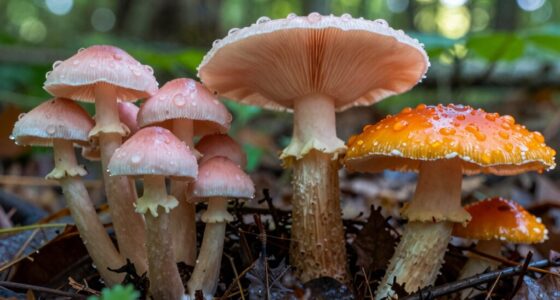
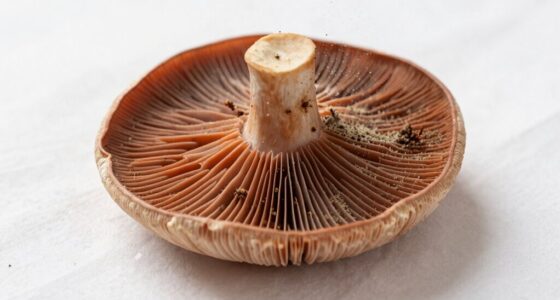
In the domain of culinary uses, lobster mushrooms are prized for their unique flavor and texture. When prepared properly, they add a distinct, seafood-like richness to soups, sauces, and sautés. They’re often used in gourmet dishes that celebrate wild ingredients, offering a meaty, chewy bite that elevates any meal. However, it’s essential to approach these fungi with confidence, knowing exactly how to identify them and avoid dangerous mistakes. Their vibrant red-orange exterior can sometimes be confused with toxic varieties, so proper identification is key. Lobster mushrooms don’t resemble the toxic mushrooms that can cause severe poisoning, but misidentification can happen if you’re not cautious. Look for their firm, irregular shape, and note the difference from the more common, softer, and less brightly colored Russulas or Lactarius species. Always cross-reference with trusted field guides or consult experienced foragers before harvesting. Recognizing that they are parasitized mushrooms can help you better understand their appearance and avoid confusion with lookalikes.
The process of toxic identification is vital to your liberation from fear and confusion when foraging. Recognize that lobster mushrooms are parasitized, and their appearance can be misleading. They often have a rough, bumpy surface and a claw-like form that sets them apart from other wild mushrooms. Remember, never consume a mushroom unless you’re 100% certain of its identity. Toxic lookalikes may share some color traits but lack the firm texture and distinctive shape of the lobster mushroom. If you’re ever in doubt, it’s better to leave it be—your health depends on your ability to distinguish the real from the fake. Educate yourself thoroughly, use multiple sources for identification, and gain confidence in your foraging skills.
lobster mushroom gourmet cooking
As an affiliate, we earn on qualifying purchases.
As an affiliate, we earn on qualifying purchases.
Frequently Asked Questions
How Does the Lobster Mushroom Impact Its Host Ecosystem?
You see, the lobster mushroom disrupts host microbe interactions by parasitizing Russulas, which in turn affects nutrient cycling in the ecosystem. This parasitism can alter the balance of fungal populations, releasing nutrients back into the soil and promoting new growth. By doing so, it liberates the ecosystem’s potential, encouraging diversity and resilience. So, the lobster mushroom plays a surprising role in shaping the health and vigor of its environment.
Can Lobster Mushrooms Be Cultivated Intentionally?
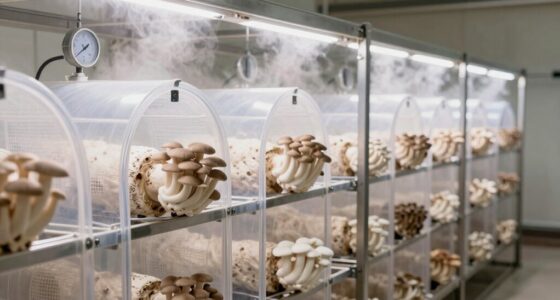
Yes, you can cultivate lobster mushrooms, but it’s no easy journey—like chasing a fleeting dream. The cultivation challenges are tough, requiring precise environmental conditions, such as specific humidity, temperature, and host presence. You must break free from natural constraints and create a thriving environment. If you’re determined, you’ll find that mastering these conditions grants you the power to grow this unique fungus, revealing a world of culinary and ecological liberation.
Are There Any Health Risks Associated With Consuming Lobster Mushrooms?
You can enjoy lobster mushrooms safely, but be aware of potential toxicity concerns and allergic reactions. While generally considered edible, some people might experience allergies or stomach upset. Always verify proper identification, as misidentification with toxic look-alikes can be risky. If you’re new to foraging, consider consulting an expert. By staying informed and cautious, you can savor these unique fungi without worry, embracing your freedom to explore wild foods confidently.
What Are the Key Visual Differences Between Lobster Mushroom and Other Fungi?
Think of the lobster mushroom as a fiery gemstone among duller fungi. Its key visual differences include a vibrant reddish-orange color contrast and a smooth, firm cap texture that stands out from other fungi. Unlike the duller, more uniform caps of Russulas or other mushrooms, the lobster mushroom’s bold hue and glossy surface make it easy to identify and celebrate your freedom to forage confidently.
How Does Parasitism Affect the Genetic Diversity of Russulas?
When parasitism hits russulas, it causes a genetic bottleneck, which means fewer genetic variations survive. This leads to diversity reduction, making the population less adaptable and more vulnerable to threats. You can think of it as nature’s way of limiting genetic options, restricting evolution’s freedom. So, parasitism fundamentally stifles genetic diversity, trapping russulas in a narrower genetic space and limiting their potential to adapt and thrive.
Conclusion
Now that you know the fascinating story behind lobster mushrooms and their parasitic origins, you’ll see these vibrant fungi in a whole new light. Their striking appearance isn’t just eye-catching—it’s a demonstration to nature’s incredible ingenuity. Next time you spot one, remember, you’re witnessing a marvel so extraordinary, it could easily be mistaken for a masterpiece painted by the universe itself. Embrace the wonder of nature’s most astonishing parasitic transformation!
Fall yard work Picks
leaf blowers
As an affiliate, we earn on qualifying purchases.