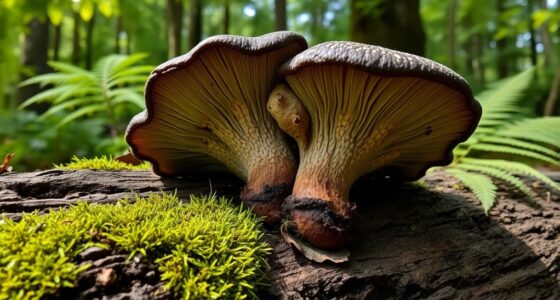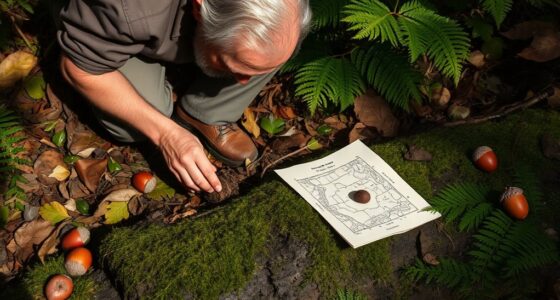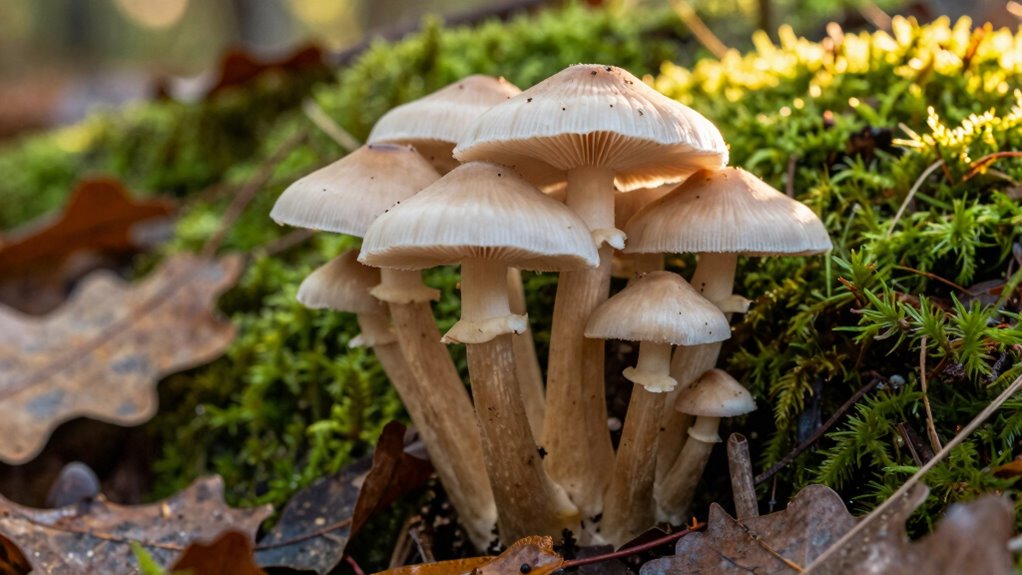
The most overlooked mushroom foraging skill is recognizing habitats. By paying attention to where mushrooms grow—like damp woods, open fields, or decayed wood—you can considerably improve your chances of identifying safe, edible species. Habitat clues help you distinguish between edible and toxic lookalikes, reducing risks. Developing this skill sharpens your overall foraging efforts and boosts safety. Keep exploring, and you’ll discover how understanding environments can transform your mushroom hunting success.
Open a free Amazon Business account
Business pricing, bulk buying and tax-exempt orders.
As an affiliate, we earn on qualifying purchases.
Key Takeaways
- Recognizing specific habitat preferences sharply narrows down potential mushroom species.
- Understanding environmental clues like soil, moisture, and plant life enhances identification accuracy.
- Habitat awareness helps distinguish edible mushrooms from toxic lookalikes in various environments.
- Incorporating habitat context into foraging reduces risks of misidentification and poisoning.
- Developing keen habitat recognition skills is often overlooked but crucial for safe, effective mushroom foraging.
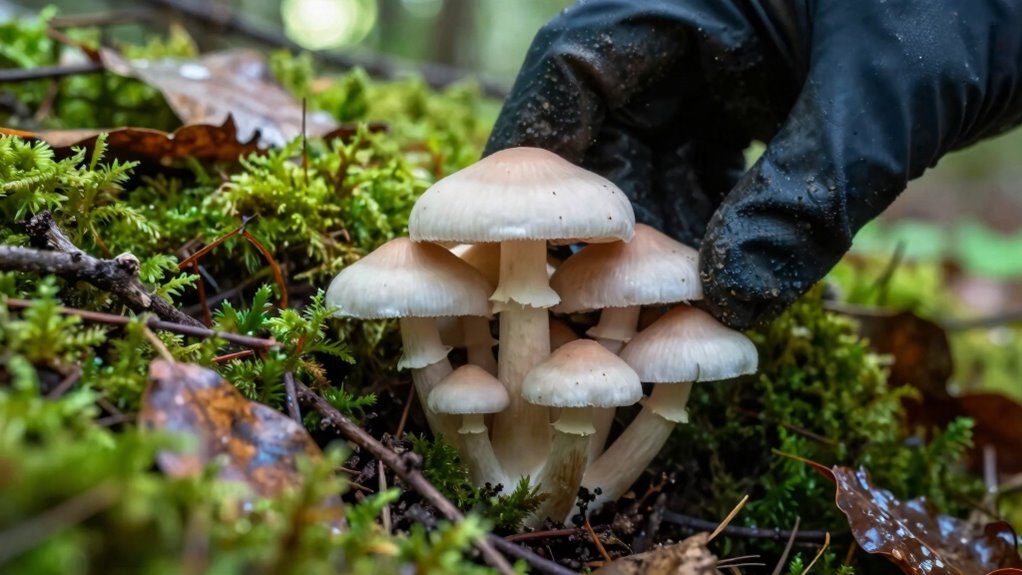
While many mushroom foragers focus on identifying the right species, they often overlook a critical skill that can make or break their success: understanding mushroom habitats. Recognizing where mushrooms grow is essential because it guides your wild identification efforts and minimizes risks. Learning the specific environments where certain fungi thrive helps you narrow down options quickly, saving time and reducing confusion when foraging in the wild. For instance, some mushrooms prefer damp, shaded woods, while others grow in open fields or on decayed wood. By studying these habitats, you develop an intuitive sense of where to look, making your foraging trips more productive. Developing a keen awareness of mushroom habitats can significantly improve your foraging accuracy and safety. This knowledge isn’t just about finding mushrooms; it’s also about safety. Many toxic species mimic edible ones but tend to grow in different habitats. Recognizing these subtle habitat differences can prevent dangerous mistakes. For example, a mushroom that appears similar to an edible chanterelle might actually be a toxic lookalike if it’s found in an unusual environment. So, understanding habitat clues becomes a crucial part of your wild identification process, helping you distinguish between safe and hazardous fungi based on where they grow. Additionally, observing the surrounding ecosystem can provide valuable clues about the types of fungi that are likely to be present in a given area. Paying attention to environmental cues such as soil composition, moisture, and nearby plant life can enhance your habitat awareness. Incorporating knowledge of mushroom habitat preferences can also help you anticipate which species are likely to be found in different environments, making your foraging more strategic. Habitat awareness is also supported by scientific studies showing that fungi have specific environmental preferences, which can help refine your foraging strategies.
Safety precautions are just as important as habitat awareness. Always double-check mushroom identification before harvesting, especially if you’re unfamiliar with a species. Use multiple identification methods—consult reliable field guides, compare features carefully, and consider habitat context. Never rely solely on appearance, as many mushrooms have poisonous lookalikes. When in doubt, it’s safest to leave the mushroom untouched. Wearing gloves when handling wild fungi is a good safety practice, especially since some toxic mushrooms can cause skin irritation. Also, be aware of your surroundings; avoid foraging in polluted areas, as contaminants can accumulate in mushrooms, making them unsafe to eat regardless of species.
Incorporate habitat knowledge into your foraging routine to enhance both the wild identification process and your safety precautions. Pay attention to soil type, moisture levels, nearby trees or plants, and the overall landscape. Over time, these details will become second nature, helping you quickly assess whether a mushroom is worth investigating further. Remember, successful foraging isn’t just about recognition; it’s about understanding the environment to make educated, safe choices. Developing this skill takes practice but pays off by making your hunts more efficient and your wild harvests much safer.
As an affiliate, we earn on qualifying purchases.
Frequently Asked Questions
How Can I Identify Toxic Versus Edible Mushrooms Quickly?
You can identify toxic versus edible mushrooms by trusting your knowledge and avoiding common Toxic mushroom myths, which often lead to mistakes. Remember, many Edible mushroom myths can be dangerous if misunderstood. Always check for key features like color, gill structure, and scent, and don’t rely solely on myths. When unsure, consult an expert or guidebook, as quick identification is crucial for safety while foraging.
What Tools Are Essential for Safe Mushroom Foraging?
Think of your tools as your mushroom foraging safety net. A good mushroom knife, a basket for collection, and a field guide are essential for accurate mushroom identification. A small hand lens helps spot subtle features, while a GPS or map keeps you oriented. These tools guarantee you can confidently identify edible versus toxic mushrooms, minimizing risks. With the right gear, you’re better equipped to enjoy foraging adventures safely and responsibly.
Are There Seasonal Variations in Mushroom Availability?
Yes, mushroom availability varies with seasonal cycles, so you’ll find different species emerging throughout the year. Spring and fall often offer the richest pickings, while summer might see fewer fungi due to drier conditions. Recognizing these patterns helps you anticipate what’s available and understand ecological impacts, like how certain mushrooms depend on specific weather or nearby plant life. Staying aware of seasonal changes boosts your foraging success and ecological awareness.
How Do Weather Conditions Affect Mushroom Growth?
Weather conditions greatly influence mushroom growth. Climate patterns like rain, temperature, and humidity determine when and where mushrooms thrive. Soil moisture is especially vital; damp, moist soil encourages mycelium to fruit. After rainy periods, you’ll notice an increase in mushroom activity. Hot, dry spells inhibit growth, while consistent, moderate moisture levels create ideal conditions. Staying aware of weather trends helps you predict mushroom availability and optimize your foraging success.
What Are Common Mistakes Beginners Make When Foraging?
Did you know that nearly 50% of mushroom poisonings come from beginners? When foraging, you often make mistakes like rushing or ignoring foraging etiquette, which can lead to dangerous misidentification. Always double-check your finds, avoid consuming unknown mushrooms, and respect nature. Staying cautious and following proper foraging etiquette not only keeps you safe but also helps protect the mushroom population for future foragers.
Conclusion
Remember, mastering the overlooked skill of patience during mushroom foraging can transform your entire experience. Like a seasoned knight waiting in the shadows for the perfect moment, your careful observation and quiet persistence often lead to the most rewarding finds. Don’t rush—trust your instincts and take the time to truly understand your surroundings. In the end, it’s this subtle art that turns a simple forage into a treasure hunt, echoing the timeless wisdom of those who came before us.
NFL season / tailgating Picks
team gear
As an affiliate, we earn on qualifying purchases.