TL;DR

Get garden gear delivered free — and shop member deals
- Fast, free delivery on millions of items
- Access to Prime Big Deal Days deals on October 6–7
- Prime Video, Amazon Music and more included
Primroses and polyanthus are cool-weather flowers that grow best in fertile, moisture-retentive but well-drained soil and partial shade as temperatures rise. Plant them in autumn where they can overwinter, keep the soil lightly moist, and treat them as annuals in areas with hot summers.
A growing guide from Gardener’s Path says primroses and polyanthus thrive in cool conditions, fertile soil and steady moisture, with autumn planting giving them time to establish before winter. The flowers can brighten beds and containers in late winter and spring, but gardeners in areas with hot summers may need to grow them as annuals rather than expect them to persist year-round.
Primroses are members of the Primula genus. The guide distinguishes them from polyanthus, a hybrid group whose flower clusters sit in umbels on sturdy stalks; many other primroses produce flowers on shorter stems above low rosettes of foliage. Depending on species, these plants are generally suited to USDA hardiness Zones 3 to 8. Flowering usually runs from late winter into late spring, though timing varies by climate and variety.
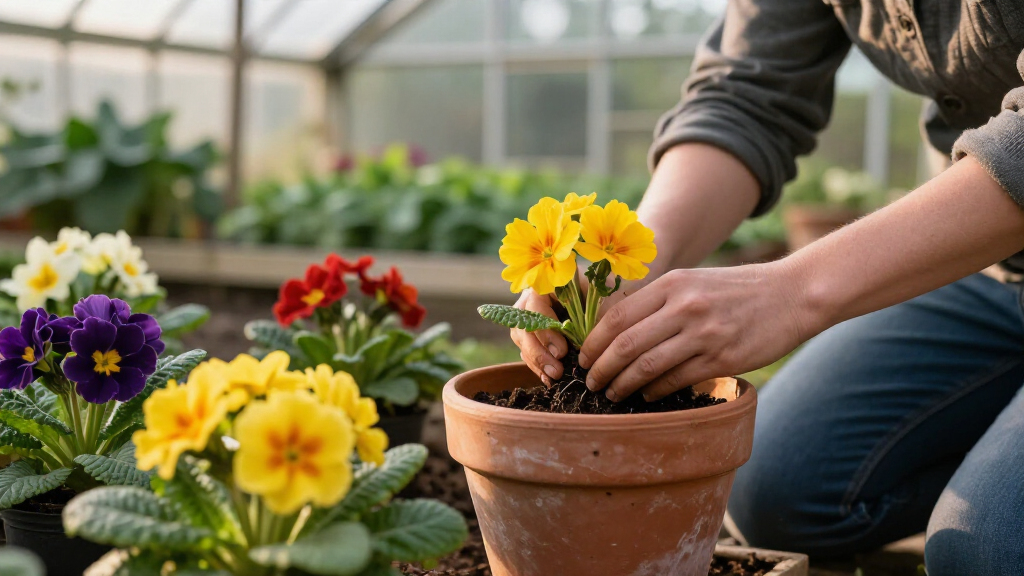
For autumn planting, loosen the soil to roughly 12 inches deep and wide and mix in compost, leaf mold or another well-rotted organic material. Improve drainage if needed, then set each plant with its crown just above the soil surface. Space plants six to 12 inches apart. A one- to two-inch mulch layer can help keep roots cool and retain moisture, but it should not touch the crown.
The guide recommends keeping soil lightly moist, not waterlogged; about an inch of water per week is a general garden estimate, adjusted for rainfall and conditions. Container plants may need more frequent watering. Primroses suit full sun in cool spring weather, but benefit from afternoon shade as temperatures climb. The guide also recommends feeding in early spring with a slow-release, flower-focused fertilizer and applying it again in early summer.
Planning for Cool-Season Blooms
Primroses and polyanthus offer color when relatively few garden plants are flowering, making them useful for late-winter and spring displays in beds, borders and containers. Their early blooms can also provide nectar for pollinators at a time when other flowers may be scarce, according to the guide.
Their main growing constraint is summer heat and humidity. A planting that does well through a cool spring may decline as conditions warm, so choosing a shaded location and setting realistic expectations about summer survival can help gardeners decide whether to maintain plants as perennials or replace them seasonally.
As an affiliate, we earn on qualifying purchases.
Where Primroses Grow Best
Primroses and polyanthus are herbaceous plants native to temperate regions of the Northern Hemisphere. The source describes a broad range of cultivated colors, including white, yellow, red, pink, purple and blue, as well as bicolored flowers. Mature plants can reach about 12 inches tall and 18 inches wide, though size varies by type.
They grow in humus-rich, well-drained soil and can suit partly shaded woodland-style gardens, borders, rockeries and pots. The guide identifies the area beneath deciduous trees as a useful site: plants can receive spring light before the trees leaf out, followed by shade from stronger afternoon sun. Local climate and the specific Primula variety affect hardiness and flowering time.
“Primroses thrive in cool temperatures.”
— Gardener’s Path growing guide
Local Conditions Shape Results
The guidance describes general cultivation rather than outcomes for a particular garden. Flowering dates, winter hardiness and summer survival depend on the species or hybrid, local temperatures, humidity, drainage and exposure. The source gives about one inch of weekly water as a general estimate, not a fixed requirement for every site or season.
It is also not clear from the supplied material which individual varieties perform best in specific climates. Gardeners should check plant labels or local horticultural advice for a variety’s hardiness and adjust watering to rainfall and soil conditions.
Autumn Planting and Spring Care
Gardeners planning a perennial display can prepare beds and plant in autumn, at least six weeks before the first frost, where local conditions allow. After planting, monitor soil moisture and keep mulch clear of plant crowns. As spring temperatures rise, check whether afternoon shade is needed and watch for signs that soil is drying out.
In regions with hot summers, the guide suggests treating primroses as fall-planted annuals because heat and humidity can make long-term survival difficult. How plants perform through the season will depend on local weather and the variety selected.
Key Questions
When should primroses and polyanthus be planted?
The guide recommends autumn planting, at least six weeks before the first frost, to give plants time to establish before winter.
How much sun do these flowers need?
They can take full sun during cool spring weather, but generally benefit from partial shade during hot afternoons. In cool-summer areas, they may tolerate more sun.
How often should primroses be watered?
Keep the soil lightly moist rather than waterlogged. About an inch of water per week is the guide’s general estimate; containers and dry weather may call for more frequent checks.
Can primroses survive hot summers?
They can struggle in hot, humid conditions. The guide recommends growing them as annuals in such areas, while cool-summer locations may support them as perennials.
Source: rss
Fall Picks
fall essentials
As an affiliate, we earn on qualifying purchases.