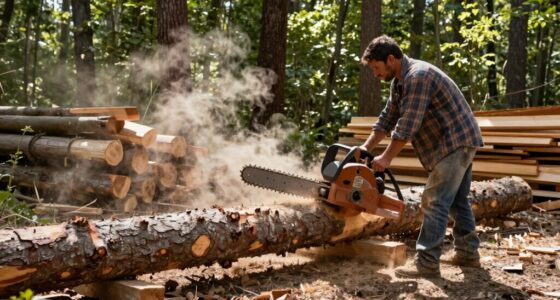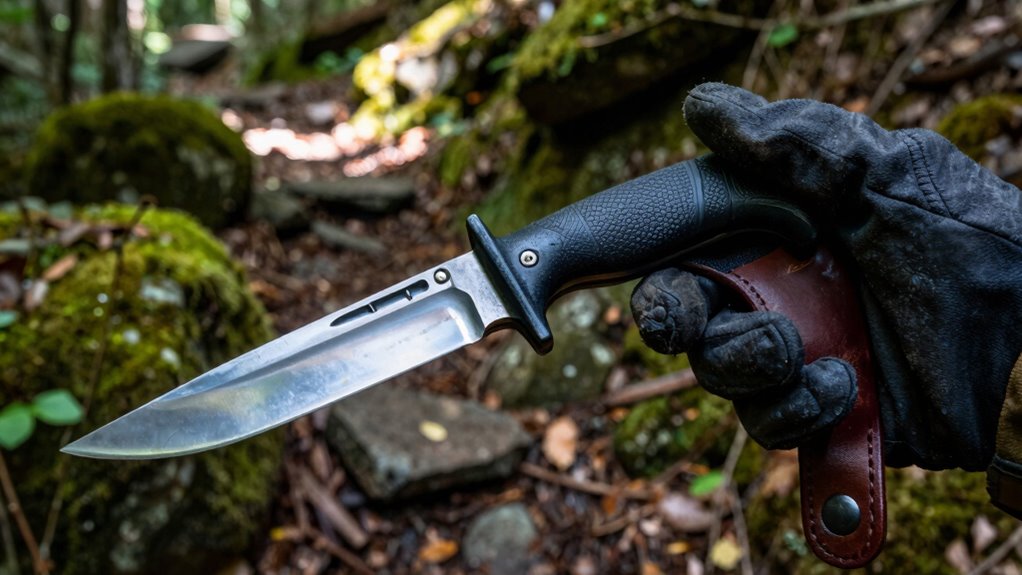

Knife safety matters in the field because it helps you avoid serious injuries during demanding tasks. Proper handling and maintenance prevent slips, cuts, and tool failures that could slow you down or cause accidents. Keeping your knives safe and in good condition also guarantees they stay reliable for future use. Staying alert and following safety procedures protect both you and your tools. Continue exploring to discover essential tips that keep you safe and ready for any outdoor challenge.

Get garden gear delivered free — and shop member deals
- Fast, free delivery on millions of items
- Access to Prime Big Deal Days deals on October 6–7
- Prime Video, Amazon Music and more included
Key Takeaways
- Prevents serious injuries by reducing the risk of slips and accidents during demanding outdoor tasks.
- Proper maintenance ensures tool reliability, reducing hazards caused by damaged or dull blades.
- Adhering to safety protocols minimizes the chance of cuts and promotes quick, effective emergency responses.
- Safe storage and environmental awareness protect knives from damage, extending their lifespan and ensuring readiness.
- Effective communication and emergency planning help manage accidents swiftly, safeguarding all personnel in the field.
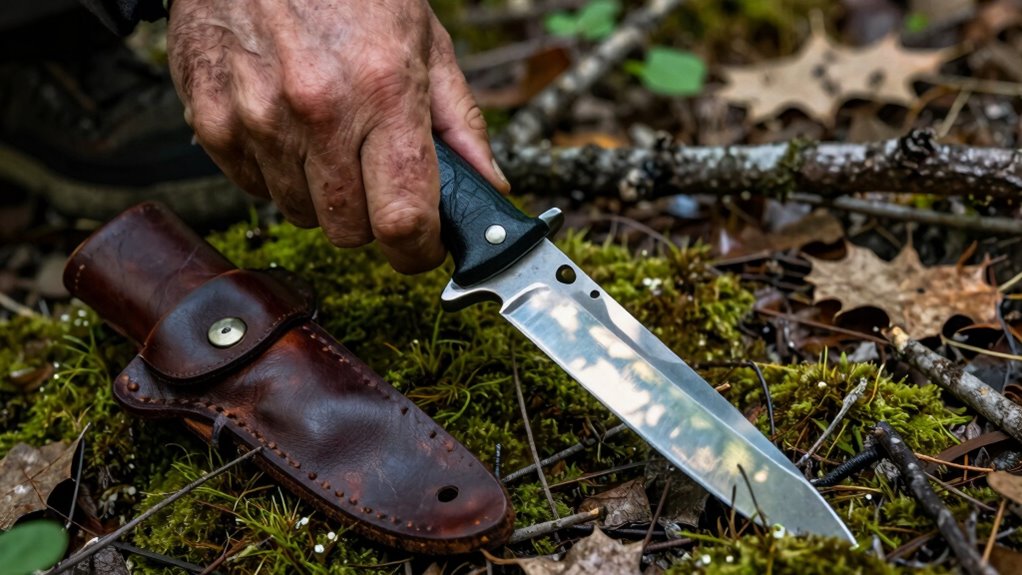
Have you ever considered how essential proper knife safety is when working in the field? It’s not just about avoiding cuts; it’s about ensuring your safety and efficiency during demanding tasks. When working outdoors, conditions can change quickly, and a single slip can lead to serious injuries. That’s why understanding the importance of proper maintenance for your knives and knowing emergency procedures is fundamental. Proper maintenance involves regularly sharpening your blades, checking for rust, and ensuring handles are secure. A dull knife requires more force, increasing the risk of losing control, while a damaged handle can break unexpectedly. Taking the time to care for your tools keeps them reliable and minimizes hazards. Additionally, inspecting your knives for blade integrity can prevent accidents caused by unnoticed damage. Regularly testing your knives for damage or wear ensures they remain safe to use and reduces the likelihood of unexpected failure. Incorporating proper storage practices can also help prevent accidental damage and prolong the lifespan of your blades. Ensuring your tools are stored in a dry, protected environment helps prevent rust and other deterioration caused by environmental exposure.
Proper knife maintenance ensures safety, efficiency, and tool longevity in demanding outdoor tasks.
Equally important is understanding what to do if accidents happen. Emergency procedures should be second nature to you, so you can respond swiftly and effectively. First, always prioritize your safety by stopping work immediately if an injury occurs. Apply first aid, such as pressure to stop bleeding, and seek medical attention if necessary. Knowing basic first aid skills can make a significant difference in preventing infections or more severe damage. Keep a well-stocked first aid kit accessible in your work area, and familiarize yourself with how to use it.
In addition, it’s wise to have a plan for contacting emergency services if needed. Clear communication is essential, so keep a charged phone nearby or have other means of alerting help. When an accident occurs, don’t panic; stay calm, assess the situation, and act according to your pre-established emergency procedures. This preparation can prevent minor incidents from escalating and keep everyone safe.
Working in the field also means paying attention to your environment and your tools. Maintain your knives properly so they perform well and reduce the likelihood of accidents. Proper maintenance isn’t just about keeping blades sharp; it includes inspecting for cracks or damage and cleaning blades after use to prevent rust. When you take these steps, you’re not only protecting yourself but also ensuring your tools last longer and work more efficiently.
As an affiliate, we earn on qualifying purchases.
Frequently Asked Questions
What Types of Knives Are Safest for Field Use?
You should choose knives with safety features like blade materials that resist corrosion and prevent accidental cuts. Opt for knives with ergonomic handle designs, offering a secure grip to reduce slipping. These features enhance safety during field use, making your tasks easier and safer. Selecting knives with durable blades and comfortable handles minimizes risks, ensuring you can work efficiently while keeping yourself protected in outdoor environments.
How Should I Store Knives to Prevent Accidents?
You should store knives in a secure, designated area to prevent accidents. Use a knife block, magnetic strip, or sheathed storage to keep blades protected. Always sharpen knives regularly to maintain control, reducing the risk of slips. When working, cordon off your work area to keep others at a safe distance. These practices help minimize injury risks and guarantee your knives stay in good condition for safe use.
What First Aid Steps if Accidentally Cut?
Ever wondered what to do if you accidentally cut yourself? Start by applying direct pressure to stop the bleeding, then focus on emergency bleeding control. Next, clean the wound properly with water to prevent infection. If the bleeding doesn’t stop or the cut is deep, seek medical help immediately. Always keep a first aid kit handy, and remember, quick, calm actions can make all the difference.
Are There Specific Techniques for Safe Knife Handling?
To handle knives safely, you should use a proper grip, holding the handle firmly but comfortably, with your fingers away from the blade. Always employ safe cutting techniques by cutting away from your body and keeping your fingers tucked in. Maintain focus, avoid distractions, and make certain your workspace is clear. These techniques help prevent accidents and ensure you work efficiently and safely in the field.
How Often Should I Inspect My Field Knives?
You should inspect your field knives before every use to guarantee safety. Regularly check the blade for damage, rust, or dullness, which can compromise safety. Incorporate proper blade maintenance and sharpening techniques to keep your knives in top condition. By doing so, you prevent accidents and extend your knife’s lifespan. Consistent inspection helps you identify issues early, making your fieldwork safer and more efficient.
Conclusion
Remember, practicing knife safety isn’t just about avoiding injuries—it’s about respecting the tool and ensuring your safety in the field. Some believe that a skilled user can handle knives carelessly, but history shows accidents often happen when safety is overlooked. By staying mindful and following proper techniques, you reduce risks and stay prepared. Ultimately, respecting your knife and prioritizing safety keeps you out of harm’s way, allowing you to focus on what truly matters—your task.
Fall Picks
fall essentials
As an affiliate, we earn on qualifying purchases.