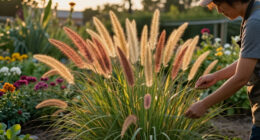
Wild herbs can elevate your everyday dishes with their bold flavors and health benefits. You can add wild garlic or ramps to scrambled eggs, incorporate wild thyme into marinades, or infuse oils with wild oregano. Fresh wild mint or lemon balm brightens salads and desserts. Use chopped herbs to enhance grains, beans, or roasted vegetables. By experimenting with these herbs in your cooking, you’ll discover delicious ways to boost flavor and nutrition. Keep exploring to learn more exciting ideas.

Get garden gear delivered free — and shop member deals
- Fast, free delivery on millions of items
- Access to Prime Big Deal Days deals on October 6–7
- Prime Video, Amazon Music and more included
Key Takeaways
- Incorporate wild herbs like wild garlic and thyme into salads, soups, and roasted dishes for enhanced flavor and nutritional benefits.
- Use wild herbs in marinades, oils, and vinegars to add depth and healthful properties to everyday meals.
- Add fresh wild herbs such as mint or lemon balm to teas, desserts, or as garnishes for a bright, aromatic touch.
- Chop wild herbs like chives or ramps into scrambled eggs and vegetable dishes for a flavorful boost.
- Use wild herbs to create herbal infusions, sauces, and dressings that elevate simple, daily recipes.

Wild herbs have been an essential part of culinary traditions for centuries, adding unique flavors and nutritional benefits to dishes. When you incorporate herbs like wild garlic, nettle, or wild thyme into your cooking, you’re not only enhancing flavor but also tapping into their herbal healing properties. These herbs often contain vitamins, antioxidants, and natural compounds that can support your health. But before you start foraging, it’s vital to prioritize foraging safety. Proper identification is key—mistaking a toxic plant for an edible one can have serious consequences. Familiarize yourself with reliable guides or join local foraging groups to learn from experienced foragers. Always harvest herbs from areas free of pollution, pesticides, or other contaminants, and avoid over-harvesting to guarantee the plants can regenerate.
Once you’re confident in your identification and safety measures, you can start experimenting with wild herbs in everyday cooking. Fresh herbs like wild mint or lemon balm can brighten salads, teas, or desserts with their invigorating aroma. You might find that adding chopped wild chives or ramps to scrambled eggs or roasted vegetables elevates the dish with a burst of flavor. Incorporate wild herbs into your recipes in the same way you’d use cultivated herbs—chop, sprinkle, or infuse them into oils and vinegars to enhance your dishes. Their intense flavors often mean you need less than you’d expect, so start small and adjust to taste. Wild herbs also pair beautifully with hearty grains, beans, and meats, adding complex layers of flavor that store-bought herbs can’t replicate. Understanding foraging safety is crucial to ensure your wild herb culinary adventures are both enjoyable and safe. Herbal healing isn’t just about tea or tinctures; it’s also about what you add to your food. For example, wild oregano can be used in marinades and sauces to boost digestion and fight inflammation. Nettle, when cooked, becomes a nutritious addition to soups and stews, providing iron and calcium. Proper harvesting techniques can help ensure the sustainability of wild herbs for future foraging. Additionally, learning about plant identification can significantly reduce the risk of accidentally harvesting harmful species. Developing a keen eye for edible plants is essential for safe foraging, especially as many wild herbs resemble toxic look-alikes. When foraging for these herbs, keep in mind foraging safety by only collecting from areas you know are free of chemicals and pollution, and always respect local regulations. Wash herbs thoroughly before use, and never consume anything you’re unsure about. With practice, you’ll develop a keen eye for identifying safe, edible wild herbs and incorporating them into your daily meals, making your cooking more flavorful and healthful.
As an affiliate, we earn on qualifying purchases.
Frequently Asked Questions
How Do I Identify Edible Wild Herbs Safely?
To identify edible wild herbs safely, start with thorough wild herb identification techniques, such as examining leaf shape, smell, and growth patterns. Always cross-reference your findings with reputable plant guides or apps. Remember, edible plant warnings are essential—some wild herbs look similar to toxic plants. When in doubt, consult an expert or avoid consuming a plant until you’re 100% sure it’s edible.
Can Wild Herbs Be Preserved for Long-Term Use?
Like capturing sunlight in a jar, you can preserve wild herbs for long-term use through herb drying techniques. Hang herbs upside down in a warm, dry spot or use a dehydrator to lock in flavor. Store dried wild herbs in airtight containers, away from light and moisture, to maintain their potency. These wild herb storage methods turn fleeting freshness into lasting flavor, ready to enrich your dishes whenever you desire.
Are Wild Herbs Suitable for People With Allergies?
Wild herbs can sometimes cause allergic reactions, especially if you’re sensitive or allergic to certain plants. While they’re generally safe, wild herb toxicity varies, and some plants may be harmful if misidentified or consumed in excess. Always wash wild herbs thoroughly, and start with small amounts to test for allergies. If you experience symptoms like itching, swelling, or difficulty breathing, seek medical help immediately.
What Are Common Mistakes When Using Wild Herbs in Recipes?
You might over-harvest or pick wild herbs carelessly, risking flavor loss and ecological harm. When herb harvesting, avoid excessive gathering and misidentifying plants, which can lead to dangerous mistakes. Instead, focus on gentle, sustainable collection to enhance flavors naturally. Using wild herbs for flavor enhancement requires patience and respect; rushing can dull their delicate nuances or introduce unwanted bitterness. Mindful harvesting preserves their essence and guarantees safe, delicious additions to your cooking.
How Do Wild Herbs Affect the Flavor Profile of Dishes?
Wild herbs add a unique, vibrant layer to your dishes by influencing the flavor profile through herbal infusions and flavor enhancement. You’ll notice fresh, earthy, and sometimes slightly bitter notes that brighten soups, salads, and sauces. When used thoughtfully, they bring depth and complexity, turning simple ingredients into memorable meals. Just remember, their intensity varies, so start with small amounts to balance their bold character and avoid overpowering your dish.
Conclusion
Embrace the wild herbs around you and let them elevate your everyday dishes. Their unique flavors bring freshness and depth that store-bought ingredients can’t match. Remember, “Nature’s gifts are best enjoyed when shared,” so don’t hesitate to experiment and incorporate these herbs into your cooking. With a little creativity, you’ll discover that the simplest ingredients can turn into extraordinary meals, proving that sometimes, the best things in life are found right outside your door.
Fall yard work Picks
leaf blowers
As an affiliate, we earn on qualifying purchases.