
Seasonal foraging is powerful because it connects you to nature’s natural rhythms, allowing you to harvest wild foods at their peak flavor, nutrition, and potency. By understanding ecological cycles and plant signs, you can pick the right time for each harvest, ensuring safety and abundance. This practice fosters a respectful, sustainable bond with the land and deepens your appreciation for its seasonal shifts. Keep exploring to discover how this approach can transform your relationship with nature.
Open a free Amazon Business account
Business pricing, bulk buying and tax-exempt orders.
As an affiliate, we earn on qualifying purchases.
Key Takeaways
- It aligns foraging with nature’s natural cycles, ensuring peak flavor, nutrition, and sustainability.
- Seasonal variations provide diverse, fresh, and nutrient-rich wild foods throughout the year.
- Traditional knowledge guides safe harvesting and respectful resource management.
- Recognizing ecological signs improves success and supports ecological balance.
- It fosters a mindful, conservation-focused relationship with land and wild foods.
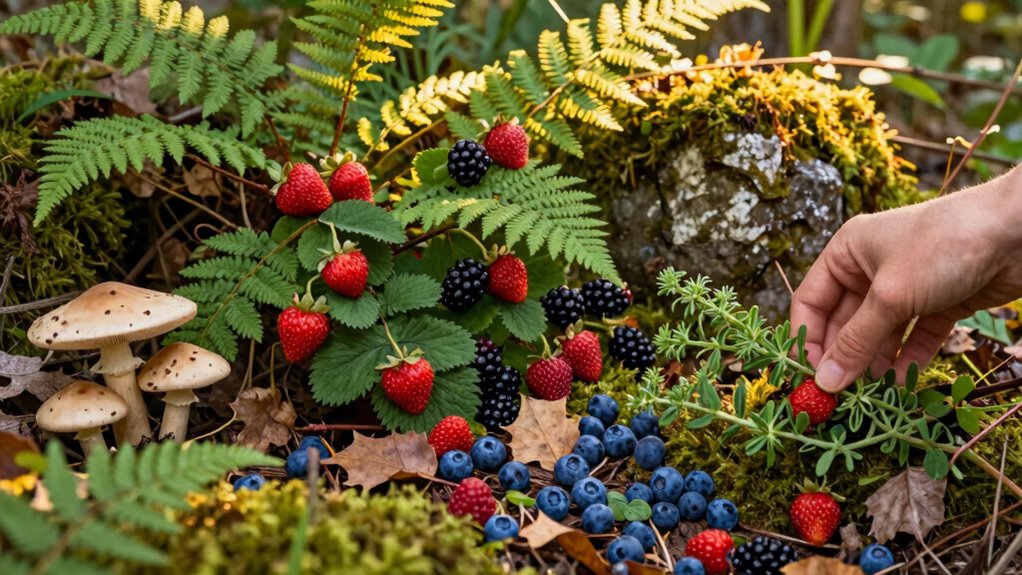
Have you ever wondered how the changing seasons influence the bounty of wild foods available for foraging? As the year progresses, nature offers a dynamic array of wild edibles that shift with each passing month. This seasonal rhythm isn’t random; it’s rooted in centuries of traditional practices that have guided people to harvest at the right time, ensuring safety and abundance. When you embrace seasonal foraging, you tap into a deep well of knowledge passed down through generations, which helps you identify edible plants, fungi, and herbs that are at their peak flavor and nutritional value. These traditional practices emphasize respecting nature’s cycles, harvesting only what’s needed, and understanding when certain plants are most potent. It’s a way to connect with the land and honor its natural rhythms. Recognizing these natural cycles can greatly improve your foraging success and sustainability.
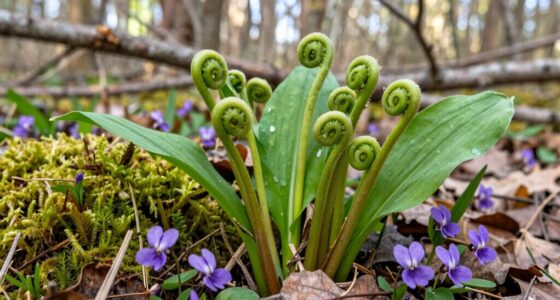
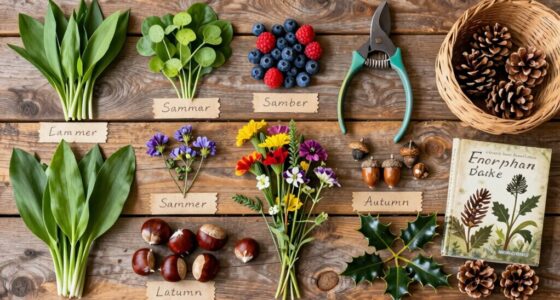
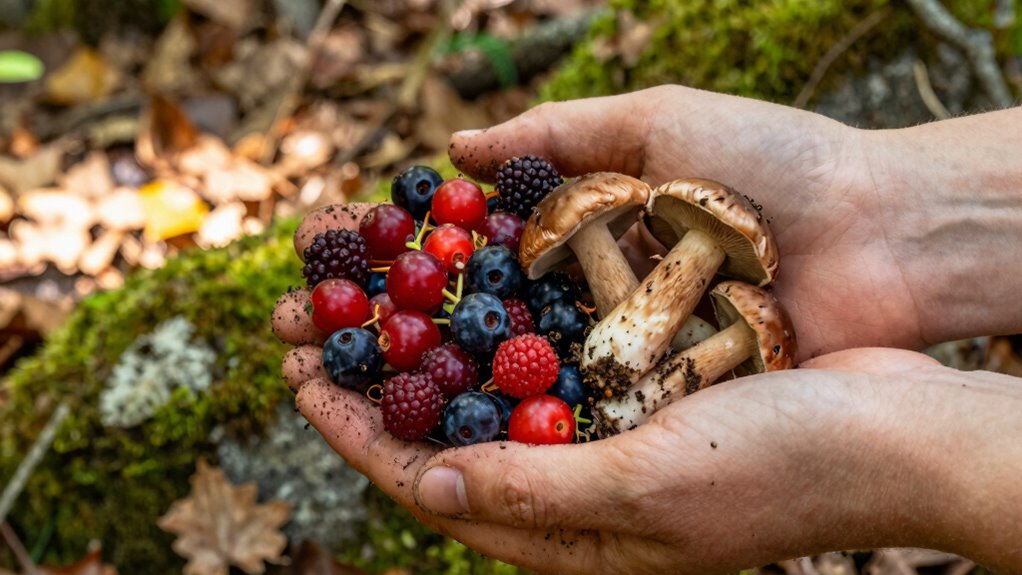
The power of seasonal foraging lies in its alignment with nature’s timing, making your gathering more sustainable and enriching. When spring arrives, you might find fresh wild greens, tender shoots, and early herbs that are perfect for salads or teas. As summer unfolds, berries, wild fruits, and edible flowers become abundant, offering a sweet and colorful bounty. Fall brings a different treasure trove—mushrooms, nuts, and root vegetables—that require careful identification and knowledge. Understanding the ecological patterns helps you anticipate the ideal times for harvesting, based on the changing environment. Additionally, observing plant phenology—the timing of natural events—can further refine your foraging practices by signaling the readiness of certain wild foods. A knowledge of local ecosystems can also assist in identifying the best foraging spots and understanding the seasonal availability of different species. Winter, often overlooked, still offers wild edibles like certain hardy greens, pine needles, and herbs that can be foraged with skill and patience. Understanding the natural cycles also helps you anticipate the best times for harvesting, based on the changing environment. By following these seasonal changes, you maximize your chances of collecting wild edibles at their freshest and most potent, which enhances their flavor and health benefits.
Understanding the seasons also deepens your appreciation for traditional practices that have sustained communities for centuries. These practices often involve specific techniques for harvesting, preserving, and preparing wild foods, ensuring that each resource is used respectfully and efficiently. They teach you to recognize subtle signs in nature—such as the flowering of particular plants or the ripening of fruits—that indicate the ideal time for foraging. This knowledge not only improves your success rate but also fosters a mindful approach to nature, encouraging conservation and responsible gathering. Seasonal foraging becomes more than just collecting food; it transforms into a ritual that honors the land and your place within it. Through this, you gain a richer, more sustainable relationship with wild foods and the traditions that sustain them.
As an affiliate, we earn on qualifying purchases.
Frequently Asked Questions
How Does Seasonal Foraging Affect Local Ecosystems?
Seasonal foraging positively impacts local ecosystems by supporting biodiversity preservation and maintaining ecological balance. When you forage seasonally, you reduce pressure on specific species, allowing diverse plants and animals to thrive. This sustainable practice helps prevent overharvesting and encourages natural growth cycles. By choosing to forage thoughtfully, you contribute to a healthier, more resilient environment, ensuring ecosystems remain balanced and vibrant for future generations.
Can Beginners Safely Identify Edible Seasonal Plants?
Think of plant identification as learning to read a story written by nature. As a beginner, you can safely identify edible seasonal plants by starting with simple, well-known varieties and using reliable guides. Foraging safety depends on patience and careful observation. Always double-check plants before eating, avoid unknown species, and consider joining a guided foraging tour. With practice, you’ll gain confidence and enjoy the bounty of the seasons safely.
What Tools Are Essential for Successful Foraging?
To forage successfully, you need essential tools like a good field guide for wild plant identification and a sharp knife for harvesting. Carrying a basket or breathable bag helps collect your finds safely. Always follow foraging safety tips—be cautious, double-check plant identification, and avoid contaminated areas. These tools help guarantee you gather edible plants confidently and safely, making your seasonal foraging experience enjoyable and sustainable.
How Does Seasonal Foraging Vary Across Different Regions?
You’ll notice seasonal foraging varies widely across regions due to climate adaptations and cultural differences. In colder climates, you might gather root vegetables and preserved foods, while coastal areas focus on seafood and seaweed. Cultural practices influence what’s foraged and when, shaping unique regional diets. By understanding these variations, you can appreciate how local environments and traditions guide seasonal foraging, making it a deeply personal and adaptive experience wherever you are.
Are There Any Legal Considerations for Foraging?
While it’s wise to navigate the subtle boundaries of foraging, you should be aware of legal restrictions that may apply. Many regions require foraging permits, especially in protected areas, to guarantee sustainable harvesting. Ignoring these guidelines can lead to complications. Always research local laws beforehand, respect property rights, and obtain necessary permissions to enjoy your foraging adventures responsibly, preserving both nature and your peace of mind.
Conclusion
Embracing seasonal foraging transforms you into a storyteller of the land. Just like a seasoned chef who knows when to harvest the ripest tomato or a gardener who waits for the perfect bloom, you’ll learn to listen to nature’s cues. Imagine walking through a forest and discovering that one berry, perfectly ripe, like a hidden treasure waiting to be found. That’s the power of seasonal foraging — connecting you deeply with nature’s rhythm, one bounty at a time.
Flea & tick season Picks
flea and tick prevention
As an affiliate, we earn on qualifying purchases.