TL;DR

Get garden gear delivered free with Prime
- Fast, free delivery on millions of items
- Prime Video, Amazon Music and more included
- Member-only deals all year
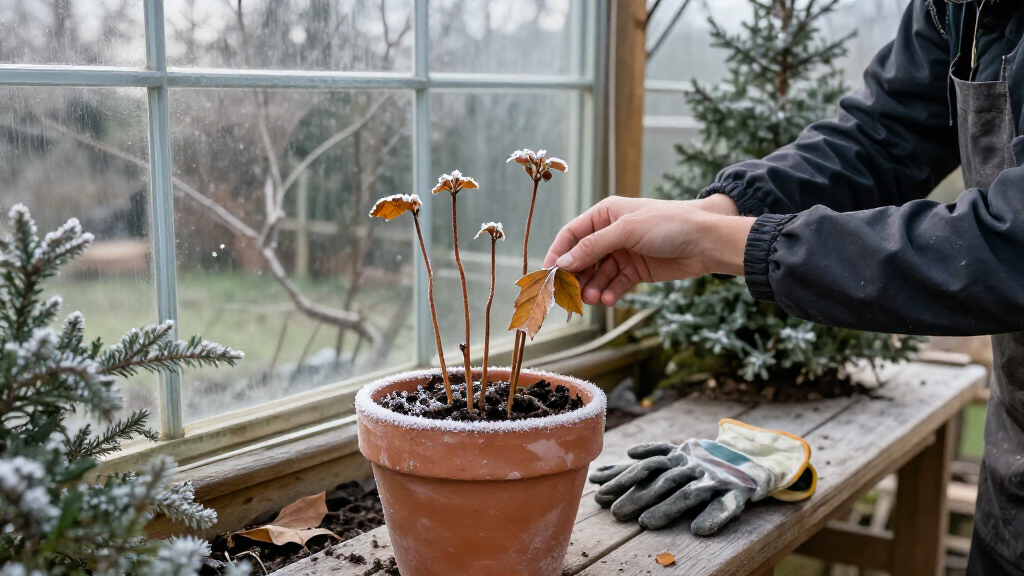
Most milkweed plants die back in winter and regrow from underground roots, so winter care is generally limited. The Gardener’s Path report advises pruning dead stems in fall or early spring, waiting until seed pods disperse, and adding a few inches of mulch in colder conditions or for plants not hardy to the local zone.
Milkweed usually needs little winter maintenance: the plants die back after flowering and can return in spring from underground roots, according to a Gardener’s Path report. The guidance recommends waiting for seed pods to mature and disperse before cutting dead stems, and adding a few inches of mulch where plants face cold conditions or are not reliably hardy in their growing zone.
The Asclepias genus includes more than 100 species native to the United States and Canada, the report says. These herbaceous perennials flower in summer, set seed in fall and die back during winter. With suitable growing conditions, they can sprout again from an underground network of roots. Winter care depends on the species and local climate; plants native to the area generally need less protection than varieties growing near the limits of their hardiness.
Gardeners can prune dead stems either in fall or in early spring, using clean pruners to cut each stem to the ground. The report recommends allowing seed pods to mature and release their seeds first. Leaving stems standing until early spring also gives birds and other small animals access to seed fluff and stem fibers that may be used for nesting. Cut material can be added to a compost pile.
In a cold climate, or when growing a species that may not be hardy in the garden’s zone, the report suggests spreading a few inches of wood chips or straw over the area to help protect the root system. Some milkweed seeds need cold stratification, or a period of cold conditions, before they germinate. Others, including warm-weather species such as Asclepias curassavica, do not require it. Seeds may be left to disperse naturally or collected and spread in late fall after the first frost and before a hard freeze.
Winter Care Supports Spring Regrowth
Choosing when to cut back milkweed affects more than the appearance of a winter garden. Leaving stems until spring can retain nesting material for wildlife, while waiting for mature pods to disperse gives seeds a chance to establish new plants. Mulch may help protect roots where cold or a less suitable growing zone puts them at greater risk.
Milkweed is also associated with monarch butterflies: the report describes the plants as a main food source and habitat for monarch caterpillars. Maintaining established plants and allowing seeds to spread can support milkweed in a garden, although the report does not quantify any effect on monarch populations. Local conditions and the species being grown remain key to deciding how much winter protection is appropriate.
Popular right now

Vitamix 5200 Professional-Grade Blender, 64 oz. Container, Black

Bose QuietComfort Ultra Wireless Noise-Cancelling Headphones with Spatial Audio, Black

Shark Clean & Empty Cordless Stick Vacuum with Auto-Empty System, BU3521
As an affiliate, we earn on qualifying purchases.
Species and Climate Shape Care
Milkweed plants are identified in the report by the milky white sap in their stems and leaves. The genus includes species adapted to a range of climates, so a single winter-care routine will not suit every garden. The report’s general advice is to provide minimal intervention for species native to the local climate, while considering mulch for colder sites or less-hardy varieties.
Seed behavior also varies. Some species need cold exposure before germination, while tropical or warm-weather milkweed such as A. curassavica does not, according to the report. The article does not give species-by-species hardiness ratings or detailed instructions for every region; gardeners should identify their variety and check its suitability for their local conditions.
Local Hardiness Remains Key
The guidance does not specify a temperature threshold for adding mulch, how thick a mulch layer should be beyond describing it as a few inches, or which species need protection in each climate zone. It also does not provide region-specific timing for pruning or seed collection. Those decisions depend on the plant’s species, local weather and growing zone.
The report describes milkweed as important to monarch caterpillars, but offers no new population data or measured conservation outcomes. Its recommendations are seasonal gardening guidance, not a claim that planting milkweed alone will reverse changes in monarch numbers.
Plan Pruning Around Seed Pods
For the coming winter, gardeners can first let seed pods mature and disperse, then choose whether to cut stems in fall or leave them until early spring. Before adding mulch, check whether the milkweed species is suited to the local climate and whether its roots may need extra protection. Use clean pruning tools and avoid disturbing the root area when applying mulch.
In spring, watch for new shoots from established roots and assess whether naturally dispersed or saved seeds have germinated. The report provides general recommendations rather than a region-specific schedule, so the next practical step is to confirm the species and its local hardiness before deciding how much winter care it needs.
Key Questions
Should milkweed be cut back in fall?
It can be cut back in fall, but the Gardener’s Path report says to wait until seed pods have matured and dispersed. Gardeners may instead leave dead stems until early spring, when they can provide nesting material for birds and small animals.
Does milkweed need mulch over winter?
Not always. The report says plants native to the local climate generally need minimal winter care, while a few inches of wood chips or straw may help protect roots in cold climates or for species that are not fully hardy in the garden’s zone.
When should milkweed seeds be collected?
The report recommends collecting and spreading seeds in late fall, after the first frost but before a hard freeze. Seeds can also be left to disperse naturally after their pods mature.
Will milkweed grow back after winter?
Many milkweed plants die back in winter and regrow in spring from underground roots, according to the report. Whether a particular plant returns depends on its species and whether it is suited to the local growing conditions.
Source: gardenerspath.com