TL;DR

Get garden gear delivered free with Prime
- Fast, free delivery on millions of items
- Prime Video, Amazon Music and more included
- Member-only deals all year
A Gardener’s Path guide outlines four fall steps for preparing perennial delphiniums for winter: wait for foliage to die before cutting stalks, clear debris, water during dry spells while conditions remain above freezing, and mulch the crowns and roots. The advice does not apply to annual larkspur, and local weather and growing conditions affect when to do each task.
A Gardener’s Path report sets out fall preparations for perennial delphiniums: let their foliage die back before cutting stalks, remove garden debris, keep plants watered during dry weather above freezing, and add mulch around the root area. The steps are intended to help the plants withstand winter and produce new growth in spring; they do not apply to annual larkspur.
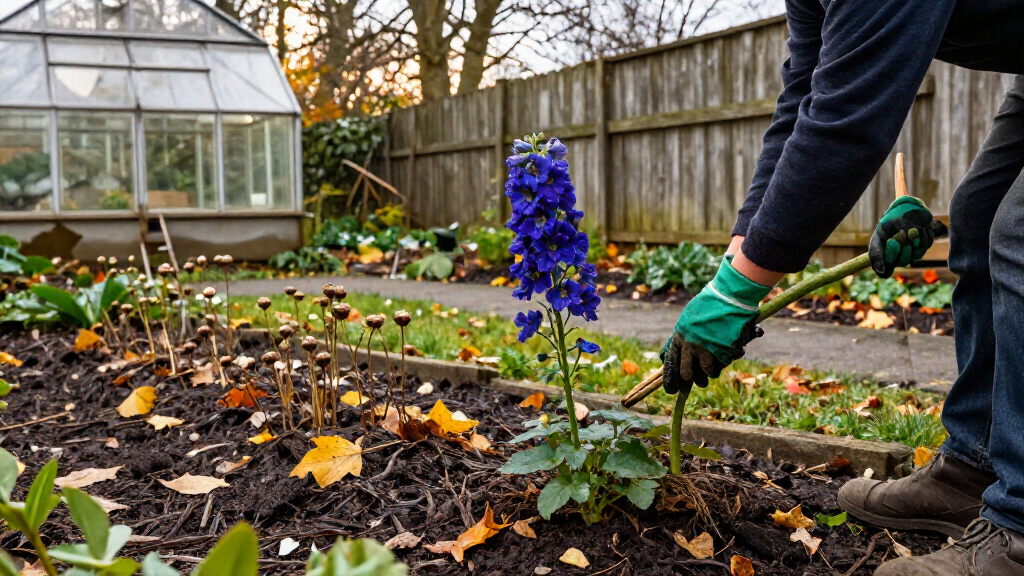
The report advises gardeners not to cut delphinium stalks down while the leaves are still green. After flowering, spent flower spikes can be cut back to where the leaves begin, a step the guide says may encourage side shoots and another flush of blooms before fall. For the final winter cut, wait until leaves have turned yellow or brown and died. Then cut the stalks to about 1 or 2 inches above soil level.
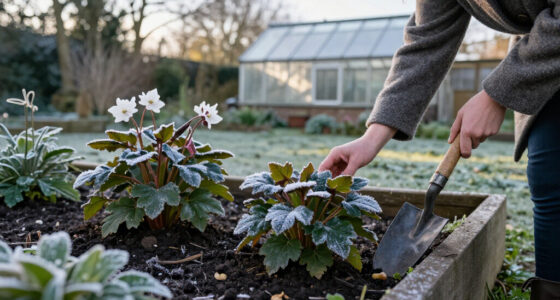
Next, clear away dead plant material and weeds around the delphiniums. The report says garden cleanup can reduce the amount of pest and disease material left behind for the following growing season. It recounts an aphid infestation in the author’s garden and cautions that some aphid eggs can survive cold weather; the account is the author’s experience, not a guarantee that cleanup will prevent pests from returning.
Keep watering while the plants are dying back: their roots remain alive. According to the guide, give plants about 1 inch of water per week during a dry spell, but rainfall once or twice a week may make extra watering unnecessary. Stop as air temperatures approach the low 40s Fahrenheit and below, it advises. In warmer intervals between freezes, water if there is no rain or melting snow. In mid- to late fall, add organic mulch over the root and stalk area, then remove it in spring.
Fall Care Supports Spring Regrowth
These steps address the period when a perennial’s visible growth is fading but its roots remain alive. Cutting too early removes foliage before it has died back; leaving dead stalks and debris can make the bed harder to manage and leave plant material in place through winter. Water and mulch are intended to help maintain moisture and protect the root area as temperatures fall.
The advice is especially relevant to gardeners in cold regions: the report says delphiniums can grow in USDA Zone 3, where winter temperatures can reach minus 30°F, but recommends added protection. The source does not promise that these measures will prevent winter loss. Their usefulness depends on local weather, drainage, plant condition and the specific variety.
delphinium winter protection mulch
As an affiliate, we earn on qualifying purchases.
As an affiliate, we earn on qualifying purchases.
Perennial Delphiniums or Annual Larkspur
The report stresses that gardeners should identify which plants they have before planning winter care. Delphiniums are short-lived perennials, while true larkspur (Consolida species) is an annual and will not survive winter as the same plant, though it may reseed. The two are easily confused; the guide says larkspur often has more delicate, spaced blooms, while delphinium flowers tend to cluster more densely.
The author describes leaving first-year delphinium stalks standing through an Alaska winter and seeing the plants return the next spring, then cutting stalks and making other preparations in later years. That anecdote is not a controlled test or a universal outcome. For mulch, the guide lists straw, wood chips, chopped leaves and evergreen boughs as options. It favors straw over hay because hay may contain viable seeds that can become weeds.
Weather Sets the Exact Schedule
The report gives general timing rather than a date that fits every garden. When leaves die, when temperatures reach the low 40s and when the ground freezes vary by region and year. It does not specify a single mulch depth or a watering schedule for different soil types, rainfall levels or container-grown plants. Gardeners should treat the measurements as the guide’s recommendations, not as a guarantee of winter survival.
The source also does not establish that cleanup or mulch will prevent a particular pest or disease, or that all delphinium varieties respond identically. Its account of surviving an Alaska winter is one gardener’s experience. The distinction between perennial delphinium and annual larkspur may also be uncertain if a plant was mislabeled or its identity is unknown.
Finish Cleanup Before Hard Freezes
As fall progresses, check the plants for dead foliage, clear weeds and other debris, and wait to make the final stalk cut until the leaves have died. Water only as needed during dry periods while temperatures remain suitable, then apply organic mulch in mid- to late fall. In spring, remove the winter mulch and watch for new shoots growing near the old stalks. The guide offers seasonal steps, not a forecast for when frost will arrive or a guarantee that every plant will return.
Key Questions
When should I cut delphinium stalks back for winter?
Wait until the leaves have turned yellow or brown and died, then cut stalks to about 1 or 2 inches above the soil, according to the Gardener’s Path report. After flowering, you may cut spent flower spikes back to the point where the leaves begin, but that is separate from the final fall cut.
Should I water delphiniums in fall?
Yes, while the roots are still active and conditions allow. The report recommends about 1 inch of water per week during dry spells; regular rainfall may be enough. It advises stopping as air temperatures drop into the low 40s Fahrenheit and below, and watering during warmer intervals only if there is no rain or melting snow.
What mulch can I use for delphiniums?
The report suggests organic materials such as straw, wood chips, chopped leaves or evergreen boughs. It cautions that hay may carry viable seeds that can grow as weeds. Remove the winter mulch in spring.
Will these steps work for larkspur?
Not in the same way. The report distinguishes perennial delphiniums from true larkspur, which is an annual and will not overwinter as the same plant, though it may reseed. Check the plant’s identity before relying on perennial winter-care instructions.
Source: rss
Halloween Picks
halloween
As an affiliate, we earn on qualifying purchases.