TL;DR

Get garden gear delivered free with Prime
- Fast, free delivery on millions of items
- Prime Video, Amazon Music and more included
- Member-only deals all year
A Planet Natural report says leaf drop after indoor heating starts can coincide with several changes, so the timing alone does not identify the cause. It recommends checking cold windows, direct hot airflow and reduced light, while also examining soil moisture and signs of pests or root problems.
A Planet Natural report advises houseplant owners to check cold window glass, direct heat-vent airflow and reduced light when leaves start falling after indoor heating begins. The timing can point to changing conditions, the report says, but does not establish a diagnosis; watering, pests and root health may also be involved.
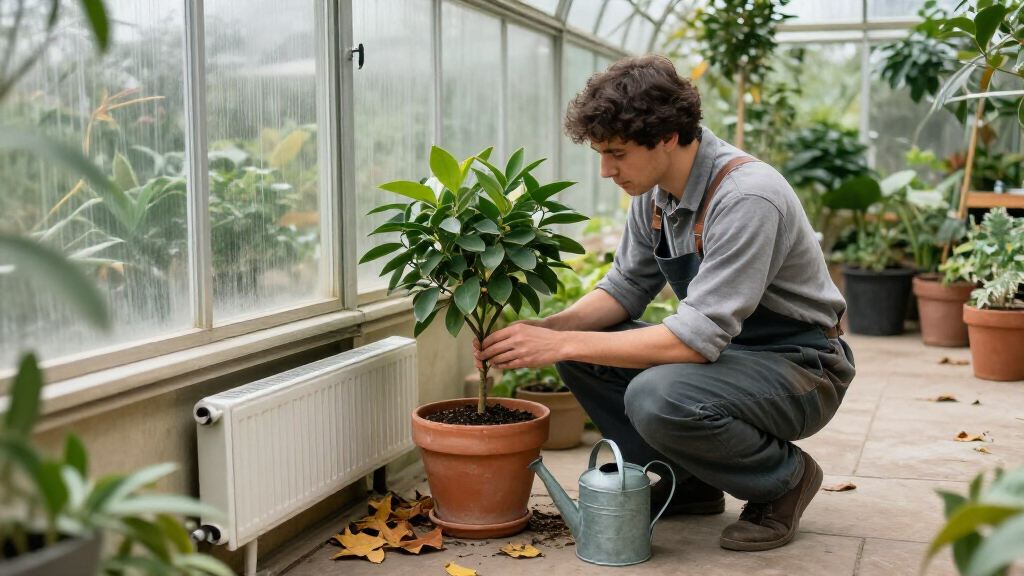
The report recommends inspecting the plant where it sits before moving multiple pots or repotting. Near a window, leaves may experience colder conditions after sunset than the room thermostat suggests. Keep foliage from touching cold glass and check for drafts, while retaining suitable light. A weeping fig may be particularly responsive to changes in its environment; Maryland Extension is cited as noting that weeping figs commonly shed leaves when brought indoors.
For plants near a heating vent, check whether warm air blows directly through the foliage while the system runs. Move the pot out of that airflow, but do not block the vent or place the plant in a dark, cold spot. The report says a fern exposed to dry airflow may develop crisp edges or lose leaflets, while cautioning that this does not mean its soil should be kept waterlogged. Humidity and soil moisture are separate conditions.
The third check is light at the plant itself. Winter sun, curtains, overhangs or nearby buildings can leave a once-bright corner dimmer. The University of Minnesota’s indoor-light guidance lists older-leaf loss, pale foliage and stretched growth as possible signs of insufficient light. These are clues, not proof of a single cause. The report recommends assessing light at different times of day and making any move gradually.
Why One Care Change Matters
Several seasonal changes can occur together: colder glass, moving hot air, shorter daylight and slower soil drying. Changing a plant’s position, watering schedule and pot all at once can make it harder to tell what is affecting it. The report’s practical point is to identify a clear problem, make one adjustment and observe the result.
This matters because a routine that worked in warmer, brighter months may not fit cooler indoor conditions. A plant in dim light may use water more slowly, while hot airflow can increase drying around its leaves. Neither observation alone tells a gardener whether the roots are dry or wet. Checking the growing medium below its surface and looking for water inside a decorative outer container can help avoid adding water to an already wet root ball.
Leaf loss also does not necessarily mean every dropped leaf will recover. The report advises judging the trend and the condition of remaining growth, rather than expecting damaged leaves to return. Faster decline, persistently wet soil with wilting, a sour smell or a soft stem base calls for closer inspection of drainage and roots.
Popular right now

Apple AirPods Pro 3 Wireless Earbuds with Active Noise Cancellation

Dyson V8 Cyclone Cordless Vacuum

Vitamix Propel Series 750 Professional-Grade Blender, 4 Programs, Black
As an affiliate, we earn on qualifying purchases.
Seasonal Changes at Plant Level
The report focuses on the period when household heating starts, when room conditions and plant routines may shift at the same time. A thermostat across the room cannot show the temperature beside a windowpane, and a room that appears bright to a person may supply little usable light for plant growth. Inspecting conditions where the leaves and pot actually are gives more relevant evidence.
It also cautions against treating common symptoms as diagnoses. Older leaves falling, pale growth or stretched stems can be consistent with low light, but should be considered alongside water, root condition and possible pests. Check leaf undersides, stems and new growth for signs such as fine mite webbing, scale or cottony mealybug deposits. Dust or one yellow leaf alone does not confirm an infestation.
The source recommends leaving a healthy root system alone rather than repotting simply because leaves have fallen. If root rot is suspected, however, active problems such as soft, decayed roots require attention; waiting for spring is not automatically appropriate.
Leaf Drop Has Several Possible Causes
The report does not identify a single cause for any particular plant’s leaf loss, and it provides no case-specific measurements or diagnosis. It is not clear from timing alone whether a plant is responding to cold glass, hot airflow, low light, watering conditions, pests or root damage. The plant species, its prior care and the severity and duration of the symptoms all affect what the signs may mean.
The cited guidance describes possible patterns, not confirmation that a given plant has a particular problem. A fern’s crisp edges, a ficus shedding leaves or stretched growth in a dim corner should be assessed alongside the soil, roots and foliage. The report also gives no fixed recovery timeline; it says to watch remaining leaves and new growth over days and weeks, and to act sooner if decline accelerates.
Monitor After One Adjustment
Record the plant’s original location and soil moisture, then correct one identifiable issue, such as foliage touching cold glass or direct exposure to a heating vent. Recheck conditions during a cold evening or while the heating system is running. Keep the plant in a location that offers suitable light and temperature rather than moving it repeatedly.
Check soil below the surface before watering and look for standing water in outer containers. Inspect leaves and stems for pests, and check drainage and roots promptly if the plant wilts while the mix remains wet, smells sour or has a soft stem base. Track remaining leaves and new growth over the following days and weeks. The source offers no scheduled follow-up or broader outcome data; the next step for an individual plant depends on what those checks show.
Key Questions
Does leaf drop after the heat comes on prove the plant is too dry?
No. Timing is a clue, not a diagnosis. Check soil moisture below the surface; dimmer, cooler conditions may slow water use, while direct hot airflow can dry foliage.
Which three spots does the report recommend checking?
Inspect the space beside cold window glass, the path of direct warm air from a supply vent, and a corner that may have become dimmer. Assess conditions where the plant sits.
Should I water more if a vent is drying the leaves?
Not automatically. Humidity and soil moisture are different. Check the growing medium and drainage first, and move the plant out of direct airflow without blocking the vent.
When should I check roots or pests?
Inspect for pests on leaf undersides, stems and new growth. Check drainage and roots promptly if the plant wilts in wet mix, the soil smells sour or the stem base becomes soft.
Source: planetnatural.com