TL;DR

Get garden gear delivered free — and shop member deals
- Fast, free delivery on millions of items
- Access to Prime Big Deal Days deals on October 6–7
- Prime Video, Amazon Music and more included
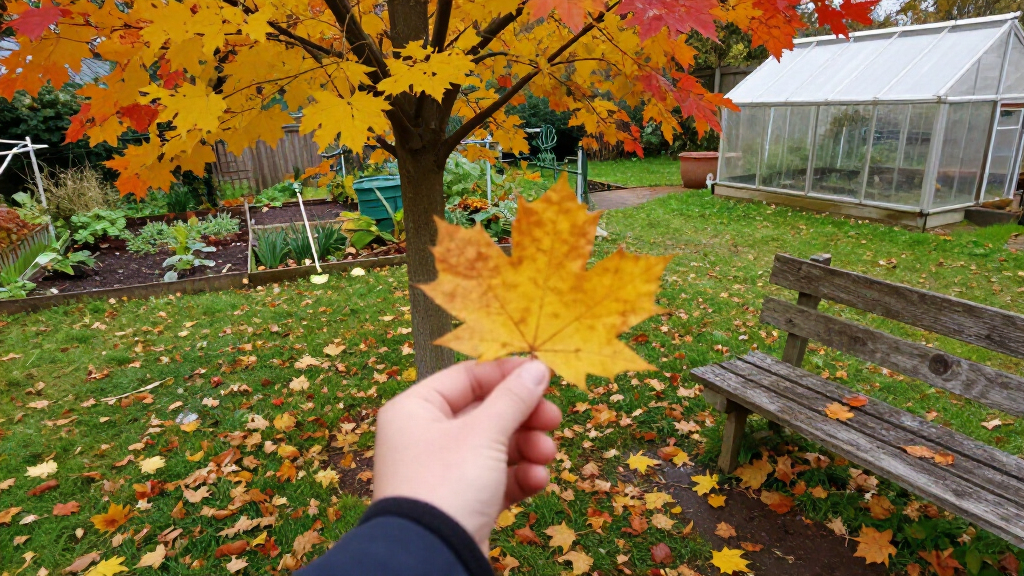
As days shorten and nights cool, deciduous trees slow chlorophyll production, allowing yellow, orange and red pigments to show through. Species and weather affect when leaves change and how vivid the display becomes. Researchers continue to study other possible roles for autumn color, including defense against insects.
Shorter days and cooler nights prompt many deciduous trees to slow chlorophyll production in fall, revealing yellow, orange and red pigments in their leaves, according to a Gardener’s Path explainer. The color and timing of the display also depend on tree species and weather, and researchers have not settled every question about why leaves turn color.
During the growing season, leaves look green because they contain chlorophyll, the pigment that absorbs light for photosynthesis. That process lets plants use light, water and carbon dioxide to make sugars. As the season winds down, shorter daylight and cooler nights reduce chlorophyll production. As the green pigment fades, other pigments that were already present become visible.
Those pigments produce much of autumn’s range: carotenoids and xanthophylls contribute orange and yellow, while tannins can produce brown tones. Red leaves involve anthocyanins. The explainer says cells forming near the base of the leaf help seal it off from the branch before it falls. During this process, sugars retained in the leaf can contribute to anthocyanin production.
Color does not arrive on the same schedule for every tree. The article, citing the U.S. Forest Service, says timing appears to be genetically determined and gives oaks as an example of trees that often change color late. Some oaks, along with beech and hornbeam, may retain dead leaves through winter; this is called marcescence.
Weather Shapes the Autumn Display
Fall color is a visible sign of seasonal change, but its strength can vary from year to year. According to the source, adequate spring and summer rainfall can support a strong display, while hot weather lasting into fall may delay color change and reduce its intensity. These effects mean that a familiar landscape can look different from one autumn to the next.
Rain, wind and frost can also alter what people see. Strong winds or heavy rain may knock leaves down before colors peak. Cloudy, rainy conditions can limit sugar production associated with red anthocyanins, while an early frost may damage leaves or stop pigments from reaching their peak. The source describes sunny, dry days and cool, frost-free nights as favorable conditions, not a guarantee of any particular result.
Understanding the process also helps explain why a muted season does not necessarily mean something is wrong with a tree. Species, seasonal weather and leaf biology all affect the timing and palette. The source does not provide a forecast for any particular region or year, so local conditions remain the guide to what residents may see.
fall leaf color identification guide
As an affiliate, we earn on qualifying purchases.
As an affiliate, we earn on qualifying purchases.
From Green Leaves to Dormancy
Deciduous trees shed their leaves as they prepare for winter dormancy. While leaves are active, photosynthesis supplies sugars used for growth and reproduction. As daylight declines, the plant’s seasonal demand for food changes and the leaf’s role winds down. The changing colors are part of that process, not a separate event detached from the tree’s annual cycle.
Before a leaf drops, the tree forms an abscission layer at the point where its stem joins the branch. Cells in that zone gradually block the leaf’s veins and separate the leaf from the tree. In species with marcescence, that separation layer does not form in the usual way, so dry leaves can remain attached until spring. These differences help explain why neighboring trees can show distinct timing and behavior.
The source also notes that scientists continue to investigate the function of autumn colors. In 2001, evolutionary biologists W. D. Hamilton and S. P. Brown proposed that bright fall colors might act as an honest warning to insects about a tree’s defenses or chemical content. The idea, discussed in relation to insects such as aphids, is a hypothesis rather than a settled explanation for why leaves change color.
Questions About Color Remain
The basic seasonal pattern is understood: declining daylight and cooler nights slow chlorophyll production, exposing other pigments. But the source stresses that scientists do not fully understand every aspect of autumn color. In particular, the proposed role of bright leaves in deterring insect pests remains a theory, and the source does not establish that it explains color across all tree species.
The article also identifies climate change and pigmentation as areas of ongoing research, but the supplied material gives no findings that quantify how climate change is affecting fall displays. It does not specify how much any single weather factor changes color in a given location, or offer a regional prediction. Local timing and intensity therefore remain dependent on the season’s conditions and the species present.
Local Conditions Set the Timing
As fall progresses, residents can watch for changes in local trees, keeping in mind that species do not turn at the same time. Shorter days, cool nights and recent weather provide useful context, but they cannot guarantee a particular color or peak date. The source offers no specific forecast or upcoming scientific milestone.
Research into the links among climate, pigments and insect interactions continues, according to the explainer. Until those questions are resolved, the best-supported account remains that seasonal shifts slow chlorophyll production, while other pigments, tree biology and weather shape the display people see.
Key Questions
What makes leaves look green during the growing season?
Chlorophyll is the green pigment in leaves. It absorbs light used in photosynthesis, through which plants make sugars from water and carbon dioxide.
Where do yellow, orange and red fall colors come from?
As chlorophyll production slows, other pigments become visible. Carotenoids and xanthophylls contribute orange and yellow, tannins can produce brown, and anthocyanins contribute red.
Why do some trees change color later than others?
Timing varies by species. The source, citing the U.S. Forest Service, says the timing appears to be genetically determined and notes that oaks often change late.
What weather conditions can affect fall color?
Rainfall, summer and fall temperatures, wind, cloudy weather and frost can affect timing, intensity or how long leaves remain on branches. The source describes sunny, dry days and cool nights without frost as favorable conditions for a vivid display, but not a guarantee.
Do scientists know why leaves turn bright colors?
The role of fading chlorophyll and revealed pigments is understood, but scientists continue to study other possible functions. One proposal is that bright colors may deter insect pests; the source presents this as a theory, not a confirmed explanation.
Source: rss
Halloween Picks
halloween
As an affiliate, we earn on qualifying purchases.