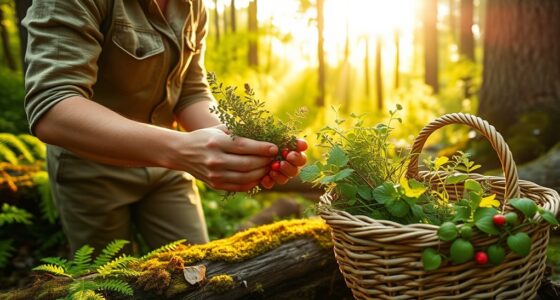
In the field, you can identify plants like plantain and dandelion to make simple first-aid remedies such as poultices, teas, and tinctures. Crushing fresh leaves creates effective poultices for wounds and skin irritations, while dried herbs make soothing teas. Tinctures, prepared with alcohol or vinegar, offer concentrated remedies for internal issues. Knowing how to use these plants safely can help you treat injuries naturally—keep exploring to learn more about each step.
Key Takeaways
- Correctly identify medicinal plants like dandelion and plantain to ensure safe and effective herbal first aid applications.
- Prepare poultices by crushing fresh herbs for skin injuries, and brew teas for internal or antiseptic purposes.
- Make tinctures by extracting herbs with alcohol or vinegar, following proper dosage and storage guidelines.
- Use herbal remedies to reduce dependence on synthetic products and provide quick, natural first aid solutions in wilderness settings.
- Always verify plant identification and understand their properties to ensure safe, appropriate, and effective herbal treatment.

When you’re outdoors and unexpected injuries occur, knowing how to use plants for first aid can be a lifesaver. It’s about tapping into nature’s pharmacy—using herbal remedies that are often right at your fingertips. The key is plant identification; understanding which plants are safe and effective guarantees you can confidently prepare poultices, teas, or tinctures in moments of need. This knowledge grants you independence, a sense of empowerment, and the ability to care for yourself and others without relying solely on conventional medicine.
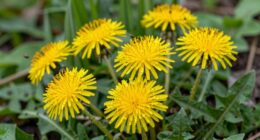
Mastering plant identification means recognizing the right herbs in their natural habitat. For example, dandelion’s yellow blossoms and jagged leaves make it easy to spot, and its leaves can be used for poultices that soothe skin irritations or minor wounds. Similarly, plantain leaves grow abundantly and have a broad, oval shape with prominent veins, making them another essential herbal remedy for cuts, scrapes, and insect bites. Once you can distinguish these plants from lookalikes, you open a natural toolkit for first aid.
Recognize dandelion and plantain for natural first aid and safe herbal remedies.
Using these plants involves more than just recognizing them. You need to understand how to prepare herbal remedies effectively. A poultice, for instance, involves crushing fresh plant material and applying it directly to the injury, providing anti-inflammatory and antimicrobial benefits. Teas can be brewed from dried leaves or flowers to soothe internal issues or act as a mild antiseptic when sipped or used as a rinse. Tinctures—concentrated herbal extracts—are useful when you need a potent remedy that can be stored for later use; just remember, making tinctures involves alcohol or vinegar, so proper preparation and dosage matter. Additionally, understanding the role of herbal remedies in traditional first aid can help you choose the most appropriate treatment for various injuries or ailments.
Your ability to confidently create these herbal remedies hinges on your plant identification skills. It’s not just about recognizing a plant but understanding its properties and safe usage. Always double-check your identifications through reputable sources or field guides. When you do, you craft remedies that are safe, effective, and free from synthetic chemicals. This knowledge liberates you from dependence on commercial products, especially when access to conventional medicine is limited or delayed.

Homeopathic Accident and Emergency First Aid Kit
Compact – Can carry in the palm of your hand, for use anywhere it is needed.
As an affiliate, we earn on qualifying purchases.
As an affiliate, we earn on qualifying purchases.
Frequently Asked Questions
How Can I Identify Edible Versus Toxic Plants in the Wild?
You can identify edible versus toxic plants through careful plant identification and foraging safety. Study key features like leaf shape, flowers, and smell, and compare them with trusted foraging guides. Always test new plants cautiously—start small and wait for a reaction. Never eat anything unless you’re 100% sure of its identity. This way, you’ll enjoy wild foods safely and confidently, embracing nature’s bounty without risking your health.
What Are the Contraindications for Using Plant-Based Remedies?
Like walking a tightrope, using plant remedies requires caution. You’re at risk of allergic reactions or drug interactions that can turn healing into harm. Always test small amounts first and consult with a healthcare professional before proceeding. Don’t let the desire for natural healing cloud your judgment—knowing contraindications keeps you free to harness plant power safely and confidently. Liberation comes with informed, cautious use.
How Long Do Plant-Based Poultices and Teas Typically Last?
Plant-based poultices usually last about 24 hours before potency loss occurs, so you should apply them fresh for maximum effectiveness. Teas can be stored for 24 to 48 hours if kept refrigerated, but their potency diminishes quickly. To stay liberated and effective, make small batches and use them promptly. Don’t rely on stored remedies for long, as their strength wanes, and you want the full healing power.
Can Plant Remedies Replace Conventional First-Aid in Emergencies?
You shouldn’t rely solely on plant remedies to replace conventional alternatives in emergencies because plant toxicity varies and can cause harm if misused. While they’re powerful tools for minor issues, they aren’t a substitute for professional medical treatment. Embrace your knowledge of plant-based first aid as a liberation tool, but always prioritize conventional options when serious injury or poisoning occurs. Your safety depends on knowing when to combine both approaches wisely.
What Safety Precautions Should I Take When Preparing Plant Medicines?
When preparing plant medicines, you should handle allergies carefully by identifying potential irritants and testing small amounts first. Always sterilize tools and containers to prevent infection, and wash your hands thoroughly. Protect yourself from skin reactions by wearing gloves, and make sure proper ventilation. Stay informed about the plants you’re using, and avoid wild harvesting if you’re uncertain. These precautions keep your herbal healing safe and empowering.
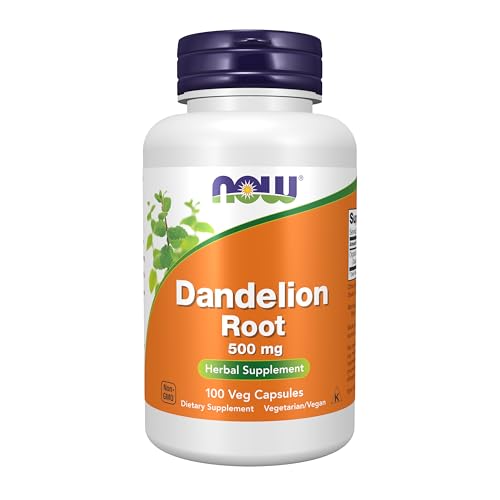
NOW Foods Supplements, Dandelion Root (Taraxacum officinale) 500 mg, Herbal Supplement, For Dietary, 100 Veg Capsules
HERBAL SUPPLEMENT: Dandelion is a common flowering plant found throughout the temperate zones of the Northern Hemisphere
As an affiliate, we earn on qualifying purchases.
As an affiliate, we earn on qualifying purchases.
Conclusion
Now that you know how to harness nature’s healing touch, you’re like a brave explorer with a trusty herbal compass. With simple poultices, teas, and tinctures, you can soothe wounds and ease pain right from the wild’s embrace. Think of these plants as your silent allies, whispering secrets of health. So step into the field with confidence, and let nature’s green pharmacy be your guiding light on every adventure.

Healthy Paw Life Coat Silk Horse Skin Maintenance Poultice – Natural Support for Scratches, Sweet Itch & Surface Irritations – Protective Barrier for Horses & Livestock – 10 oz
Shield Against Irritants – Help shield your horse from biting bugs and seasonal irritations with a dense, silk-textured…
As an affiliate, we earn on qualifying purchases.
As an affiliate, we earn on qualifying purchases.
Homeopathic Accident and Emergency First Aid Kit
Compact – Can carry in the palm of your hand, for use anywhere it is needed.
As an affiliate, we earn on qualifying purchases.
As an affiliate, we earn on qualifying purchases.