
You can cook without pots by using hot rocks to boil water and prepare meals. Start by selecting dense, heat-retentive stones and heating them over an open flame or solar cooker until they’re very hot. Then, place the heated stones directly into water or ingredients, transferring heat and boiling your food naturally. This primal method minimizes equipment and environmental impact. Keep exploring—there’s much more to discover about this resourceful cooking technique.
Key Takeaways
- Hot rock boiling uses heated stones placed directly in water or food to achieve cooking without traditional pots.
- Select and heat dense, crack-free stones over open flames or solar energy for effective heat transfer.
- Transfer heat from the stones to ingredients, boiling or cooking them directly without conventional cookware.
- Solar preheating of stones enhances sustainability, reducing reliance on firewood or gas.
- Ideal for wilderness or eco-conscious cooking, it emphasizes resourcefulness with natural materials and primal techniques.
Have you ever wondered if you can cook delicious meals without traditional pots and pans? Imagine breaking free from the constraints of modern kitchenware, embracing methods that rely on natural elements and ancient techniques. One such method is hot rock boiling, which allows you to prepare food using only heated stones and open flame techniques. It’s a liberating experience that reconnects you with primal cooking methods, emphasizing simplicity, sustainability, and resourcefulness.
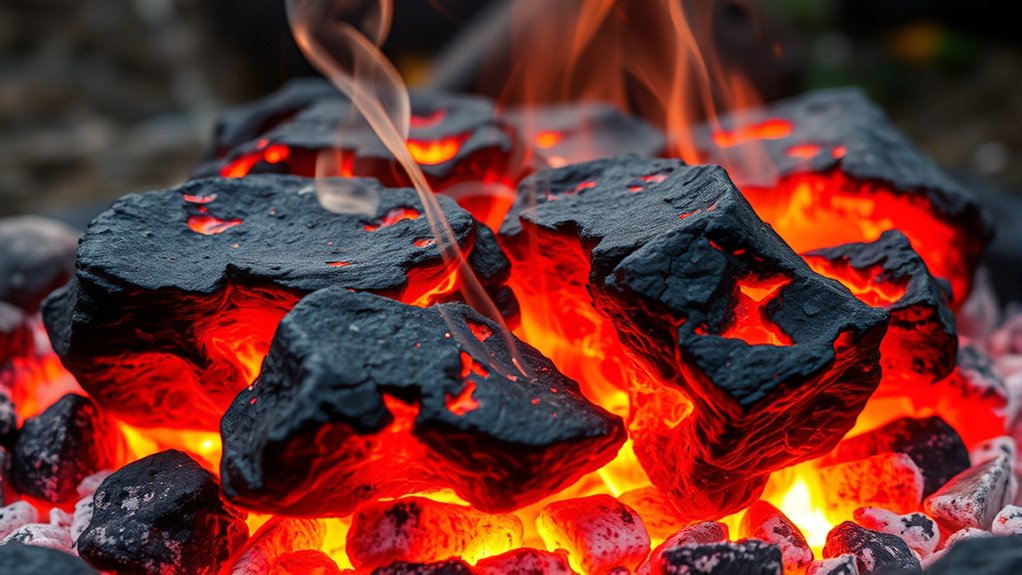
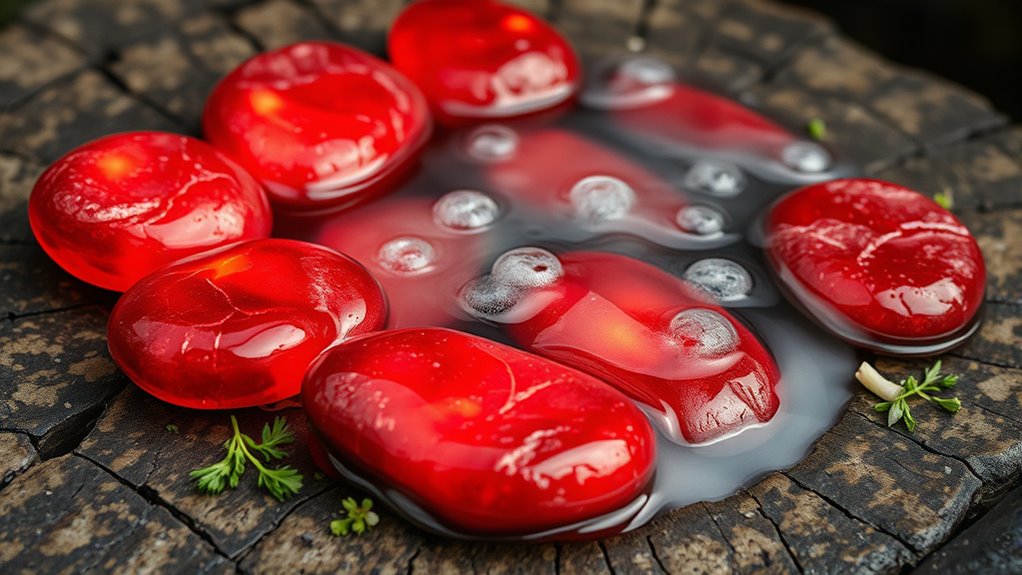
With hot rock boiling, you harness the power of heat transfer through stones heated by fire or solar cooking. You start by selecting rocks that are dense and heat-retentive—ideally volcanic or river stones—making sure they’re free of moisture and cracks. Once heated over an open flame, these stones become your makeshift pots, capable of boiling water, stews, or grains. The process is straightforward: you place the hot stones into a container of water or ingredients, and the heat from the rocks transfers directly, bringing everything to a boil without any traditional cookware. It’s a freeing technique that strips down cooking to its essentials, removing reliance on manufactured tools.
Harness heat transfer with heated stones to boil water and food—an ancient, simple cooking method without modern pots.
Solar cooking plays a significant role in this approach, especially when you’re aiming for sustainable, off-grid solutions. By harnessing the sun’s energy, you can preheat stones in solar cookers, then transfer them to your cooking vessel. This method not only reduces your dependence on firewood or gas but also empowers you to cook in harmony with nature’s rhythms. Solar cooking combined with open flame techniques creates a versatile system where you control the heat with minimal equipment, emphasizing self-sufficiency.
The beauty of hot rock boiling lies in its adaptability. Whether you’re in the wilderness, living off-grid, or simply seeking a way to minimize your environmental footprint, this method offers a practical alternative to pots. It encourages you to think creatively about heat sources and materials, transforming natural resources into functional kitchenware. You can cook soups, boil water, or prepare grains—all without a single pot, just rocks and fire. Additionally, knowing the local business hours can help you access necessary materials or information when practicing outdoor cooking methods.
hot rocks for outdoor cooking
As an affiliate, we earn on qualifying purchases.
As an affiliate, we earn on qualifying purchases.
Frequently Asked Questions
Can Hot Rock Boiling Be Used for All Types of Food?
Hot rock boiling isn’t suitable for all types of food since it requires specific pot compatibility and isn’t ideal for delicate ingredients. You might find it great for flavor enhancement and hearty dishes, but it can’t handle everything. If you seek liberation from traditional cookware, this method offers a unique, primal experience, yet it’s best to choose your foods wisely to get the best results without sacrificing texture or taste.
What Safety Precautions Are Necessary for Hot Rock Boiling?
Did you know that improper handling causes over 20% of outdoor cooking accidents? When hot rock boiling, you must prioritize safety. Keep fire hazards in check by clearing the area of flammable materials, and always use proper handling techniques with tongs or gloves. Stay alert, respect the heat, and don’t rush—your safety lets you enjoy cooking freely and adventurously without unnecessary risks.
How Do You Select the Best Rocks for Boiling?
You select the best rocks for boiling by prioritizing rock selection and mineral safety. Look for dense, non-porous stones like granite or basalt that can withstand high heat without cracking or releasing harmful minerals. Avoid rocks with cracks, obvious mineral veins, or those that feel crumbly. Trust your intuition, but always double-check mineral safety to guarantee a safe, liberating cooking experience without harmful chemicals leaching into your food.
Is Hot Rock Boiling Environmentally Sustainable?
Ever wonder if hot rock boiling can be eco-friendly? It can be, if you choose locally sourced, sustainable rocks that won’t harm the environment. This method minimizes resource consumption and reduces waste compared to traditional cooking. By respecting nature’s limits and avoiding overharvesting, you promote resource sustainability. Isn’t it freeing to cook in harmony with nature, knowing your cooking method supports environmental impact reduction?
How Long Does It Take to Cook Food Using This Method?
Hot rock boiling typically takes about 20 to 30 minutes for food to cook, depending on the thickness and type. You’ll find that the heat retention of the rocks keeps the temperature steady, allowing you to focus on your liberation from traditional cookware. This method offers a raw, primal experience, giving you control over your cooking duration while connecting deeply with natural elements. Embrace this ancient technique to free yourself from modern kitchen constraints.
solar preheated stones for cooking
As an affiliate, we earn on qualifying purchases.
As an affiliate, we earn on qualifying purchases.
Conclusion
Now that you know how to cook without pots, you can harness nature’s power, embrace simplicity, and innovate your meals. You can rely on hot rocks to boil water, cook your food, and connect with ancient traditions. You can experiment with the elements, adapt to your surroundings, and enjoy the process. Cooking without pots isn’t just about survival—it’s about rediscovering a primal, resourceful way to nourish yourself. Embrace the challenge, and let nature become your kitchen.
portable outdoor fire stones
As an affiliate, we earn on qualifying purchases.
As an affiliate, we earn on qualifying purchases.
natural heat retaining stones for cooking
As an affiliate, we earn on qualifying purchases.
As an affiliate, we earn on qualifying purchases.