
One common mistake when learning survival plants is ignoring safety and timing, like foraging outside the right season or misidentifying toxic look-alikes. Rushing identification or skipping proper preparation can cause serious illness or poisoning. It’s easy to assume plants are safe based on superficial features, but thorough knowledge of habitats, lifecycle, and processing methods is essential. To avoid danger, always proceed with caution and stay informed—if you keep exploring, you’ll discover more crucial tips for safe plant use.

Get garden gear delivered free — and shop member deals
- Fast, free delivery on millions of items
- Access to Prime Big Deal Days deals on October 6–7
- Prime Video, Amazon Music and more included
Key Takeaways
- Ignoring seasonal timing can lead to harvesting unripe or toxic plants.
- Mistaking look-alike plants increases risk of poisoning.
- Lack of knowledge about plant habitats and lifecycle causes misidentification.
- Failing to properly prepare edible plants can leave toxins intact.
- Overconfidence and rushing in foraging heighten the chance of dangerous errors.

Another common mistake is failing to recognize the importance of context when foraging. Many plants are edible only during specific seasons or growth stages. Picking a plant outside its prime time may mean it’s not ripe or, worse, it could be toxic at that point. For example, some plants are safe to eat when young but become harmful as they mature. If you don’t understand the plant’s lifecycle, you might inadvertently consume something unsafe. Additionally, environmental factors like pollution or pesticide exposure can make wild plants unsafe, even if they’re naturally edible. Always consider the environment where you’re foraging and avoid plants near roads, industrial areas, or contaminated water sources.
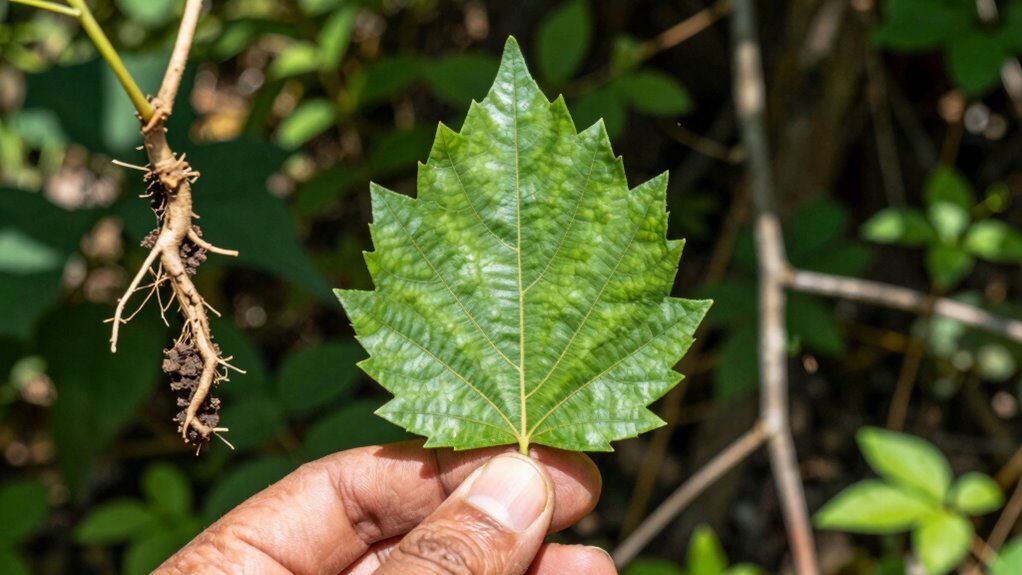
A *vital* mistake in edible plant identification is assuming that all plants with similar appearances are safe. Many edible plants have look-alikes that are toxic. For instance, wild carrots resemble poison hemlock, which can be fatal. Without training or experience, it’s easy to confuse these plants, so never rely solely on a single characteristic like leaf shape or flower color. Cross-reference multiple features and, if possible, consult reliable guides or experts. Remember, when it comes to wild plant foraging, it’s better to be overly cautious than to make a potentially deadly mistake. Moreover, understanding the natural environment where plants grow can help in correctly identifying them, as habitat can be a crucial clue. Being familiar with edible plant varieties and their common habitats reduces the risk of misidentification. Also, knowing about the plant lifecycle can help you determine the best time to harvest safely.
Finally, many beginners underestimate the importance of proper preparation. Even if you correctly identify an edible plant, you might not know the best way to prepare it safely. Some plants require specific processing methods to remove toxins or improve digestibility. For example, certain roots or seeds need thorough cooking, soaking, or fermentation. Ignoring these steps can lead to illness or poisoning. Always research the preparation techniques for any edible plant you plan to consume and practice these methods before relying on them in survival situations. Making these common mistakes can turn a promising survival skill into a dangerous gamble, so take the time to learn thoroughly and proceed with caution.
As an affiliate, we earn on qualifying purchases.
Frequently Asked Questions
How Can I Identify Edible Versus Poisonous Wild Plants Accurately?
To identify edible versus poisonous wild plants accurately, focus on toxic plant identification by studying reliable guides and local flora. Always double-check features like leaves, stems, and flowers before consuming anything. Practice ethical foraging practices by only taking what you need and avoiding protected areas. When unsure, it’s safest to avoid wild plants altogether. Gaining knowledge from experienced foragers and reputable resources can help prevent dangerous mistakes.
What Are the Best Tools for Beginner Plant Foraging?
You stumble upon a wild patch, and luck guides your hand—your best tools for beginner plant foraging are a reliable field guide, a sharp knife, and a small notebook. These essentials help with plant identification and support your foraging ethics, ensuring you harvest responsibly. Remember, accurate identification prevents poisoning, and ethical foraging maintains the ecosystem. Trust your tools, stay curious, and always respect nature’s balance while learning.
How Do I Preserve Wild Plants for Long-Term Use?
To preserve wild plants for long-term use, focus on drying, freezing, or making herbal extracts, ensuring you’re practicing sustainable harvesting by only taking what you need and leaving enough for the plant to regenerate. Wild plant cultivation involves cultivating some species at home for consistent use. This approach helps you enjoy your foraged finds without depleting local populations, maintaining ecosystem balance and ensuring future foraging success.
Are There Seasonal Limitations to Foraging Certain Plants?
You’ll find seasonal limitations to foraging because many plants have specific seasonal growth periods. For example, a hypothetical forager might harvest wild asparagus in spring, but by summer, it’s gone. Some plants migrate, like certain berries or herbs, making them available only during specific times. Understanding plant migration patterns and seasonal growth cycles helps you know when to forage, ensuring you gather safely and sustainably without missing out on essential nutrients.
How Can I Avoid Contaminating Wild Plants During Harvesting?
To avoid contaminating wild plants during harvesting, always use clean tools and wash your hands beforehand. Avoid harvesting near polluted areas or roadsides to prevent plant poisoning from chemicals or toxins. Practice ethical foraging by taking only what you need, leaving enough for wildlife, and respecting the environment. This minimizes the risk of contaminating plants and guarantees sustainable harvesting, keeping both you and the ecosystem safe.
Conclusion
Understanding common survival plant mistakes can save your life in an emergency. Did you know that nearly 60% of foragers misidentify edible plants, risking poisoning? By learning from these pitfalls, you boost your confidence and safety in the wild. Remember, careful identification and proper knowledge are your best tools. Stay cautious, keep studying, and practice responsibly. Your survival depends on it—knowledge is your greatest asset in nature’s unpredictable environment.
Fall yard work Picks
leaf blowers
As an affiliate, we earn on qualifying purchases.