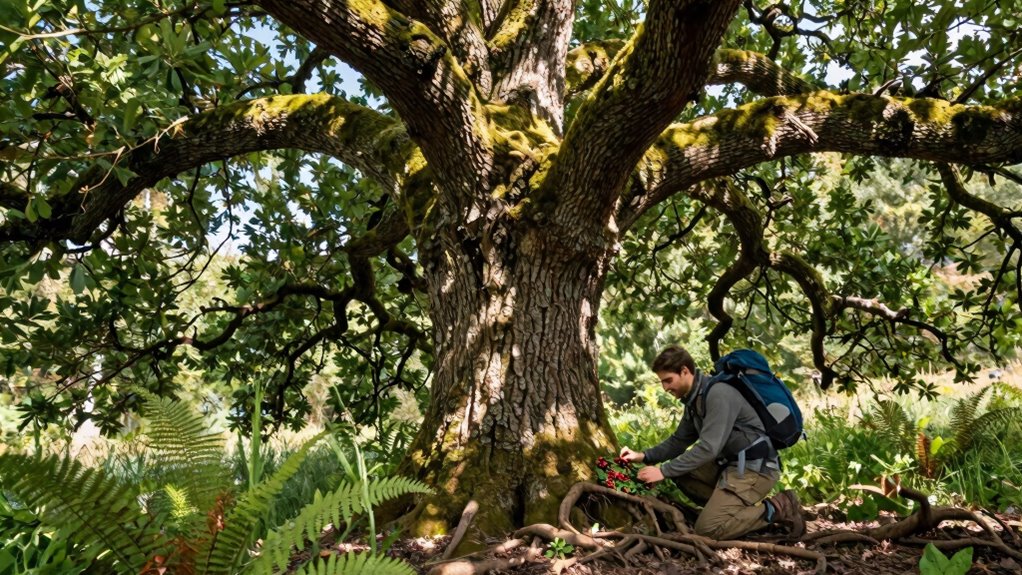

Knowing trees in the wild helps you find essential resources like food, shelter, and tools while avoiding dangers. Recognizing different species tells you which trees have edible bark, nuts, or are toxic. It also guides you to safe spots and crucial materials for building or fire-making. Understanding tree signs indicates soil and water quality and predicts weather changes. Mastering this knowledge boosts your confidence and safety. Keep exploring to learn more about how trees can guarantee your survival.

Get garden gear delivered free with Prime
- Fast, free delivery on millions of items
- Prime Video, Amazon Music and more included
- Member-only deals all year
Key Takeaways
- Identifying edible, toxic, and useful trees ensures safe foraging and resource utilization.
- Recognizing tree species helps locate shelter, water, and food sources efficiently.
- Understanding ecological indicators guides environmental assessment and survival strategy planning.
- Tree knowledge improves navigation, fire-starting, and material selection in the wilderness.
- It enhances self-reliance and decision-making by interpreting ecosystem health and changes.
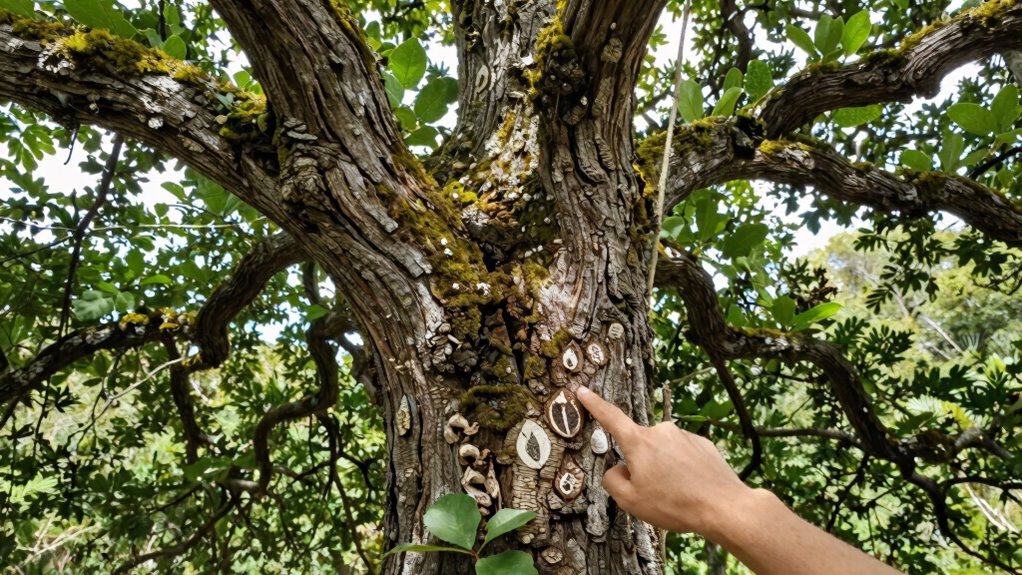
Understanding trees is vital for wilderness survival because they provide essential resources like shelter, food, and tools. When you’re out in the wild, knowing how to identify different trees can make all the difference between thriving and struggling. Tree identification isn’t just about recognizing species; it’s about understanding the specific uses and dangers each tree presents. For example, some trees may have edible bark or nuts, while others could be toxic if mishandled. Recognizing these differences quickly can help you find sustenance or avoid hazards. Additionally, knowing how to identify trees allows you to select the best materials for building shelter or crafting tools, ensuring your survival efforts are effective and safe.
A solid grasp of forest ecology enhances your ability to interpret the environment around you. Forest ecology isn’t just an academic concept; it’s a practical tool that helps you understand how different trees and plants interact within the ecosystem. When you understand which trees dominate a particular area, you gain insights into the soil quality, water availability, and climate conditions of that space. This knowledge guides you in choosing the most suitable locations for shelter or foraging, increasing your chances of survival. Recognizing the ecological roles of trees also helps you predict how the environment might change over time, preparing you for potential challenges like droughts or storms. Tree knowledge is a fundamental component of understanding forest ecology and how ecosystems function.
In the field, being able to distinguish between different types of trees can help you navigate and make strategic decisions. For instance, knowing that certain conifers retain their needles year-round can inform your search for shelter or fire-starting materials, especially in winter. Conversely, deciduous trees, which shed their leaves, might indicate seasonal changes and tell you when food sources are abundant or scarce. Understanding forest ecology helps you see the bigger picture—how trees fit into the food chain and how they support other plants and animals. This awareness can guide your foraging, helping you locate edible plants that grow near specific trees or avoid areas that might harbor dangerous wildlife.
Ultimately, your success in wilderness survival hinges on your ability to interpret your environment accurately. Tree identification and knowledge of forest ecology aren’t just academic skills; they’re survival skills. By honing these abilities, you become more self-reliant, better equipped to find food, build shelter, and stay safe in the wild. Recognizing the significance of trees in the ecosystem transforms your approach to survival, giving you a strategic advantage in any wilderness situation.
wilderness survival tree identification guide
As an affiliate, we earn on qualifying purchases.
As an affiliate, we earn on qualifying purchases.
Frequently Asked Questions
How Can I Identify Edible Versus Poisonous Trees?
To identify edible versus poisonous trees, focus on tree identification features like leaf shape, bark texture, and fruit appearance. You can often tell edible trees by their distinctive fruit or nuts, while poisonous ones may have bitter, milky sap or unusual odors. Always cross-reference with reliable field guides or local knowledge. Never eat a tree unless you’re 100% sure it’s safe, as misidentification can be deadly.
What Tools Are Best for Tree Bark Stripping?
Imagine you’re stripping bark from a birch tree for water or shelter. The most suitable tools for bark stripping are a sharp hatchet or a sturdy knife, which make clean cuts and prevent unnecessary damage. Use bark stripping techniques that involve slicing gently to preserve the tree’s health. These ideal tools help you efficiently harvest bark, ensuring you gather enough material without harming the tree, essential in survival situations.
How Do Tree Types Affect Fire-Building Techniques?
Different tree types influence fire-building techniques because their bark and wood properties vary. For fire starting, you should select trees with dry, loose bark, like birch or cedar, which ignite easily. Hardwoods like oak or maple require more effort but burn longer. Knowing which trees have suitable bark helps you gather good tinder, speed up fire-starting, and maintain a steady blaze, especially in survival situations.
Can Tree Sap Be Used for Water or Nutrition?
You might be surprised, but tree sap isn’t a reliable water source or nutrition in survival situations. While some saps, like maple, are medicinal and can be harvested using specific techniques, they mainly contain sugars and nutrients, not enough for hydration. Sap harvesting techniques involve tapping trees carefully to avoid damage. Remember, relying on sap for water or nutrition isn’t practical; focus on finding clean water and edible plants instead.
How Does Weather Impact Tree-Based Survival Strategies?
Weather considerably impacts your tree-based survival strategies, especially through climate adaptation and seasonal changes. During cold seasons, you might find fewer edible parts, so you learn to identify trees that store nutrients or water year-round. In hot weather, you focus on trees that provide shade or moisture. Understanding how weather shifts affect trees helps you adapt your survival tactics, ensuring you maximize resources and stay safe in changing conditions.
Conclusion
Understanding trees isn’t just about identification; it’s about survival. By mastering tree knowledge, you uncover essential skills—finding food, sourcing shelter, and securing safety. With keen keen eyes and careful consideration, you can turn tangled branches into tools and towering trunks into treasures. So, step skillfully, stay strong, and let your forest familiarity foster your freedom. Remember, knowing trees isn’t just helpful—it’s a heartbeat in your wilderness survival journey.
Fall yard work Picks
leaf blowers
As an affiliate, we earn on qualifying purchases.