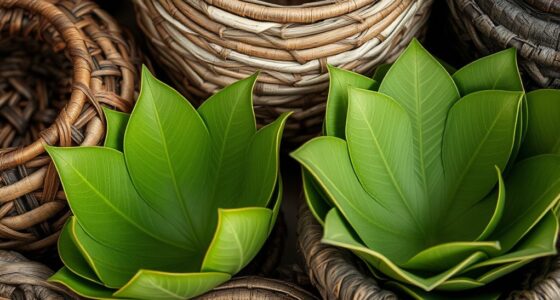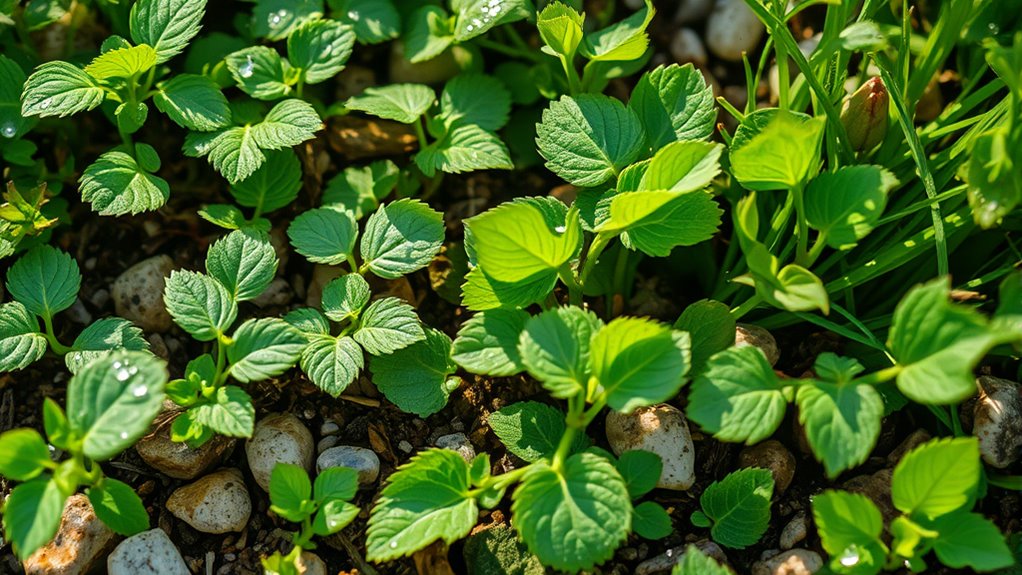

In lean months, wild greens become a crucial source of vitamins like C, A, and K, helping you stay healthy when store-bought produce is scarce. By foraging responsibly, you can identify nutrient-packed plants such as dandelion greens and purslane, which provide essential minerals and antioxidants. These wild edibles boost your immune system naturally and promote self-reliance. Keep exploring, and you’ll discover more about harnessing nature’s hidden nourishment during tough times.
Key Takeaways
- Wild greens are rich in essential vitamins like C, A, and K, supporting immune health during food shortages.
- They provide a natural, nutrient-dense source of minerals such as calcium, iron, and magnesium in lean months.
- Foraging wild greens ensures access to fresh, chemical-free vitamins when store-bought produce is scarce.
- Incorporating wild greens promotes self-reliance and resilience during seasonal food shortages.
- Consuming wild greens aligns with sustainable practices, offering eco-friendly vitamin sources during lean periods.

When fresh vegetables are scarce during the lean months, wild greens become an essential source of vitamins and nutrients. You’re not limited by store shelves or seasonal shortages; instead, you have the power to seek out nature’s hidden treasures. Foraging techniques are your tools for emancipation, allowing you to tap into the abundance that surrounds you. By learning how to identify edible greens safely, you open a reliable, free source of nourishment that keeps you healthy and energized when conventional food options dwindle.
The key to making wild greens a sustainable part of your diet lies in mastering foraging techniques. You need to understand which plants are safe to eat and how to harvest them responsibly. Look for vibrant, healthy-looking leaves, avoiding any plants that look damaged or have a strange odor. Use your senses—sight, touch, and smell—to distinguish edible greens from their inedible or toxic look-alikes. Carry a guidebook or use trusted apps to verify your finds. The more confident you become, the more you reclaim your independence from the commercial food system, turning the act of foraging into a form of personal empowerment.
Beyond the act itself, the nutritional benefits of wild greens are profound. These plants are packed with vitamins, minerals, and antioxidants that boost your immune system and sustain your energy during tough months. Leafy greens like wild spinach, purslane, and dandelion greens are rich in vitamin C, A, and K—nutrients critical for maintaining your health and vigor. They also provide calcium, iron, and magnesium, supporting bone strength and blood health. Unlike some cultivated vegetables that may lose nutrients over time or be treated with chemicals, wild greens are naturally robust, offering you pure, unadulterated nourishment.
Incorporating wild greens into your diet isn’t just about survival; it’s about reclaiming sovereignty over your food sources. It’s about breaking free from dependency on processed, store-bought produce that may lack freshness or contain unwanted additives. When you take the time to learn foraging techniques and understand the nutritional benefits, you’re forging a new relationship with nature—one rooted in self-reliance and liberation. Each leaf you gather is a small act of independence, a step toward a more resilient, health-conscious lifestyle. In these lean months, wild greens aren’t just survival food—they’re a statement of your freedom to nourish yourself on your own terms.
Additionally, understanding heat pump noise levels can help you choose a system that maintains a peaceful indoor environment, especially if you’re incorporating new appliances into your home setup.
Top picks for "wild green vitamin"
Open Amazon search results for this keyword.
As an affiliate, we earn on qualifying purchases.
Frequently Asked Questions
Which Wild Greens Are Safest for Consumption?
You can safely enjoy wild greens like dandelion, purslane, and chickweed, but always watch out for poisonous lookalikes. To guarantee harvesting safety, learn to identify these edible plants confidently, avoiding any that resemble toxic species. Trust your knowledge, harvest responsibly, and embrace the liberation of foraging for nourishing greens. When in doubt, consult local guides or experts to keep your wild greens experience safe and empowering.
How Do Wild Greens Compare Nutritionally to Cultivated Vegetables?
You might worry cultivated vegetables are always better, but wild greens often pack a bigger nutritional punch. They typically have higher antioxidant content and more diverse nutrients, helping you break free from reliance on store-bought produce. These natural treasures offer essential vitamins during lean months, empowering you to nourish your body with nature’s wild bounty. Embrace wild greens and reclaim your health with vibrant, nutrient-dense foods that energize and liberate you.
Can Wild Greens Cause Allergic Reactions?
Wild greens can cause allergies if you’re sensitive, so it’s essential to identify toxic wild greens before consuming them. Some people experience wild greens allergies, leading to reactions like itching or swelling. To stay safe, always learn how to identify toxic wild greens and avoid those that could trigger allergic responses. Embrace your freedom by confidently foraging, but stay vigilant to protect your health from potential wild greens allergies.
Are There Any Harvesting Tips for Wild Greens?
Imagine yourself as a daring explorer, seizing the wild greens that burst from the earth like treasures. To guarantee foraging safety, always identify plants correctly and avoid polluted areas. Harvest at the right timing—early morning or just after rain—when greens are tender and packed with nutrients. Use sharp scissors or knives to cut, leaving roots intact. Embrace the liberation of foraging, but stay vigilant and respectful of nature’s bounty.
How Can Wild Greens Be Preserved for Off-Season Use?
You can preserve wild greens for off-season use through drying methods like air drying or using a dehydrator, which keep nutrients intact and make storage easy. Fermentation techniques, such as making fermented greens or kimchi, add flavor and extend shelf life. Embrace these methods to stay liberated from seasonal limits, ensuring you always have access to nutritious greens whenever you desire, no matter the time of year.
Conclusion
In lean months, incorporating wild greens into your diet truly boosts your vitamin intake naturally. Many believe these greens are just seasonal extras, but research shows they’re packed with essential nutrients that support your health year-round. By relying on wild greens, you may not need supplements, saving money and avoiding artificial additives. So, trust the tradition—nature’s free, nutrient-rich bounty can be your reliable source of vitamins when store-bought options are scarce.