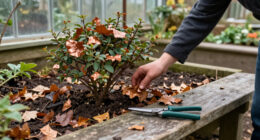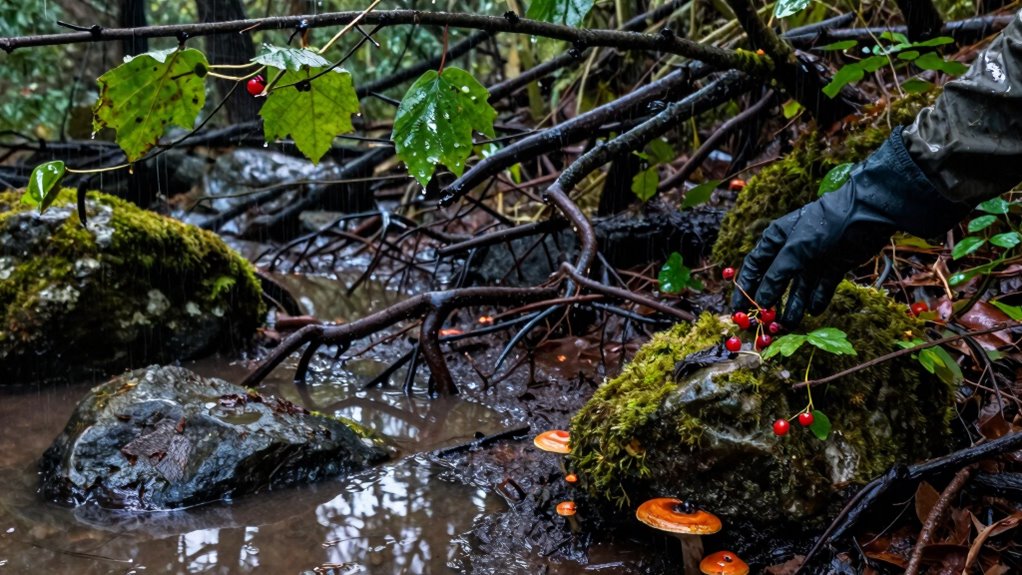

Wet conditions increase your foraging opportunities by promoting the growth of edible fungi, but they also raise risks of mold, rot, and contamination. You need to be extra vigilant in identifying safe foods, as moisture accelerates spoilage and makes it easier to mistake harmful fungi for edible ones. Proper handling, cleaning, and quick processing are essential to stay safe. If you want to learn more about adapting your strategy in damp environments, keep exploring these tips.

Get garden gear delivered free with Prime
- Fast, free delivery on millions of items
- Prime Video, Amazon Music and more included
- Member-only deals all year
Key Takeaways
- Wet ground boosts edible fungi growth but increases the risk of confusing toxic varieties.
- Moist environments promote mold and rot, requiring quick processing of foraged foods.
- High humidity accelerates spoilage, demanding effective preservation techniques.
- Increased moisture fosters bacterial growth, necessitating thorough cleaning and proper cooking.
- Managing water safety and contamination is crucial to prevent illness during wet conditions.
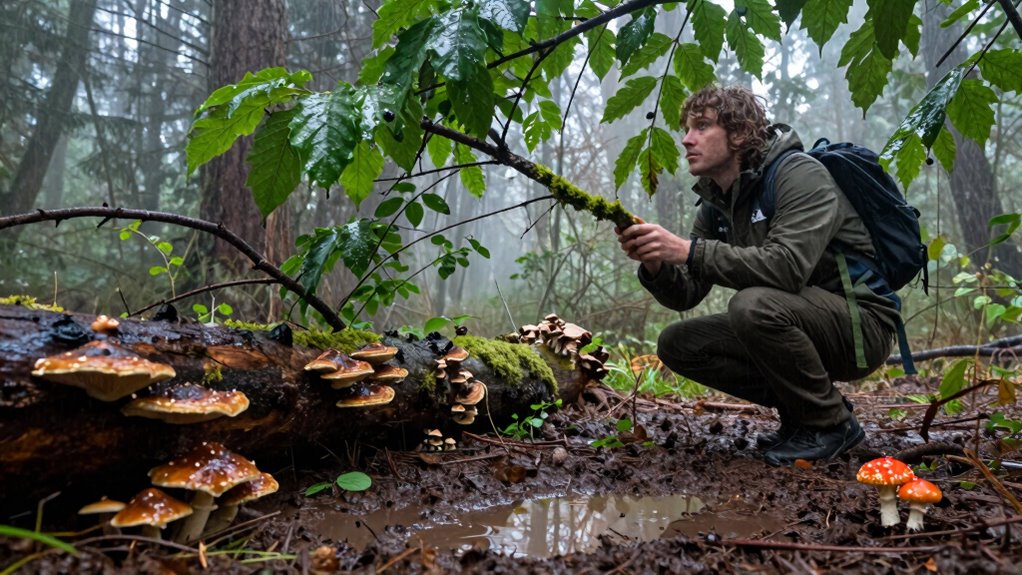
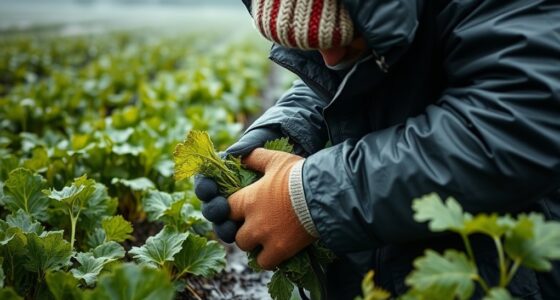
Wet conditions can dramatically alter your foraging strategy because they affect the availability and safety of wild food sources. When the ground is soaked and the environment is damp, your focus shifts toward identifying safe, edible fungi that thrive in moist conditions. Mushrooms often flourish in wet weather, but not all are safe to eat. You need to be vigilant to distinguish between edible fungi and toxic varieties. Look for specific features like color, gill structure, and growth patterns, and avoid mushrooms with white gills or an unpleasant smell, which can be signs of toxicity. Remember, the abundance of fungi after rain makes foraging more promising, but it also raises the risk of picking dangerous species, so proper identification skills become even more critical. Additionally, wet conditions can lead to increased mold and rot on foraged items, which can be mistaken for edible fungi but are unsafe to consume. Moisture also influences the preservation of wild foods, making it essential to process your harvest quickly to prevent spoilage.
Wet conditions can also increase the likelihood of contamination, so paying attention to food safety practices is essential to avoid illness. Moisture encourages the growth of bacteria and other microorganisms on your gathered food, so proper cleaning and cooking are essential. Keep in mind that water filtration isn’t just about drinking; it’s also about processing water used in cleaning your foraged foods, especially when dealing with fungi and plants that may have come into contact with contaminated soil or water. Proper water safety practices are vital to prevent illness and ensure your safety during foraging in wet conditions. Understanding how moisture affects food preservation can help you better manage your resources and reduce spoilage in damp environments.
mushroom foraging kit with identification guide
As an affiliate, we earn on qualifying purchases.
As an affiliate, we earn on qualifying purchases.
Frequently Asked Questions
How Do Wet Conditions Affect Edible Plant Identification?
Wet conditions make edible plant identification trickier because moss identification becomes more important, as mosses thrive in moisture and can indicate water-rich environments. You also need to be cautious with mushrooms, as spores disperse quickly in wet weather, increasing the risk of confusing edible varieties with toxic ones. Moisture can obscure plant features, so observe closely, check for distinctive textures, and avoid rushing, ensuring safe foraging in damp conditions.
What Gear Is Essential for Foraging in Rain?
When foraging in rain, you need rainproof containers to keep your finds dry and waterproof clothing to stay comfortable and protected. Wearing a waterproof jacket and pants prevents your clothes from becoming soaked, helping you stay warm and focused. Use rainproof containers to store edible plants safely, avoiding spoilage. This gear guarantees you can forage efficiently and safely, even in wet and challenging conditions.
How Do Wet Conditions Impact Trap Setting Techniques?
Wet conditions make trap setting more challenging because moisture affects shelter construction and gear maintenance. You need to *guarantee* your traps are well-protected from rain to prevent rust and damage. Use natural shelter to shield your traps and keep them dry, and regularly check and maintain your gear to avoid malfunctions. Proper shelter construction and gear care are *essential* to keep your traps effective and reliable in wet weather.
Are There Specific Edible Fungi That Thrive in Rain?
Certain edible fungi, like morels, chanterelles, and oyster mushrooms, thrive in rain, benefiting from increased moisture. Rain enhances mushroom spore dispersal, promoting fungal growth cycles, and creating ideal conditions for these fungi to flourish. You’ll find these mushrooms pop up in damp, shaded areas after rain, making wet conditions perfect for foraging. Recognizing their growth patterns helps you identify the best times and places to harvest, ensuring a successful hunt.
How Does Moisture Influence Animal Foraging Behavior?
Moisture influences your animal’s foraging behavior by triggering behavior adaptations driven by moisture cues. When the environment is damp, animals become more active and explore new areas, sensing the increased availability of food sources like insects or plants that thrive in wet conditions. You’ll notice behaviors like increased movement or digging, as animals respond to moisture signals, optimizing their chances of finding nourishment during rainy periods.
Conclusion
When the rain pours and the ground is soaked, your foraging approach must adapt to stay safe and successful. Wet conditions can hide dangers and wash away your usual food sources, so stay alert and flexible. Are you prepared to adjust your strategies and embrace the challenge? Remember, survival often depends on your ability to adapt. Embracing change in tough conditions isn’t just smart—it’s essential for staying alive when nature throws a wet curveball.
Fall yard work Picks
leaf blowers
As an affiliate, we earn on qualifying purchases.