
TL;DR

Get garden gear delivered free with Prime
- Fast, free delivery on millions of items
- Prime Video, Amazon Music and more included
- Member-only deals all year
A Grow Organic report says centipedes, millipedes, sowbugs and roly-polys are generally beneficial garden residents, though some may occasionally harm seedlings or soft fruit. Centipedes prey on other small arthropods; the others mainly break down decaying plant material. The report advises identifying the animal and checking for actual damage before taking control measures.
Most centipedes, millipedes, sowbugs and roly-polys are beneficial garden residents, according to a Grow Organic report that distinguishes their roles and notes that some can occasionally damage seedlings or soft fruit. The guidance says gardeners should identify the animal and look for actual plant damage before trying to control it.
The report describes centipedes as predators that hunt insects, spiders and other small arthropods. Their usual garden role is to help limit some populations of these animals; the report says living plants are not their normal food. Centipedes have flat bodies, one pair of legs on each leg-bearing segment and typically move quickly.
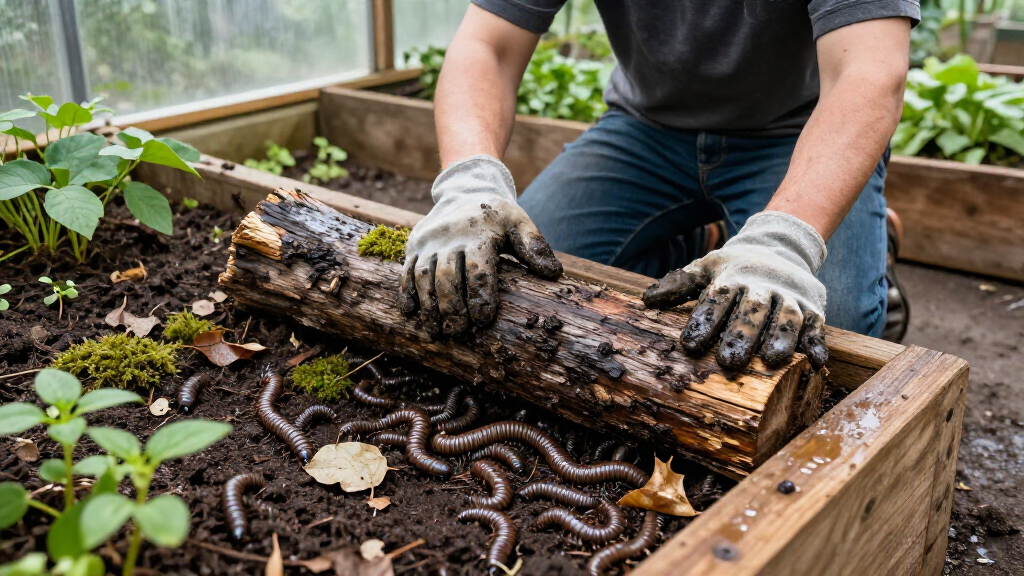
Millipedes, pill bugs and sowbugs mainly feed on decaying plant matter and contribute to its breakdown. Millipedes have rounded, segmented bodies and move slowly. Pill bugs, also called roly-polys, have seven pairs of legs and can curl into a ball. Sowbugs also have seven pairs of legs, but generally cannot roll up and have two visible tail-like projections.
The report says millipedes may sometimes eat tender seedlings, while sowbugs and pill bugs can occasionally damage seedlings or soft fruit touching damp soil. It does not say that finding one of these animals, by itself, indicates a garden problem. Its suggested first steps are to confirm the animal’s identity, check for damage, reduce excess moisture and unnecessary hiding places, and protect vulnerable seedlings.
When Garden Residents Cause Damage
Correct identification can help gardeners avoid treating animals that perform useful roles. Centipedes hunt other arthropods, while millipedes, sowbugs and pill bugs mainly help break down dead plant material. Their presence in damp soil, leaf litter or compost does not by itself establish that they are harming plants.
The distinction matters when seedlings or fruit show damage. The report identifies occasional feeding on tender plant tissue as a possibility, particularly in damp conditions, but does not suggest that it is typical or provide a threshold for action. Checking plants first can help focus any response on a demonstrated problem rather than the mere presence of an arthropod.
For indoor sightings, the report says house centipedes favor damp places such as bathrooms, basements and crawl spaces, where they hunt other arthropods. It presents them as predators, not as plant feeders, while advising people to avoid handling unfamiliar centipedes because some species can bite if threatened.
As an affiliate, we earn on qualifying purchases.
How to Tell Them Apart
All four groups are arthropods, but the report cautions against treating them as insects. Centipedes and millipedes are myriapods; pill bugs and sowbugs are land-dwelling crustaceans. They often shelter in damp soil, under stones or mulch, among leaves, or in compost, which can bring them to light when a gardener moves a pot or debris.
Leg arrangement and movement offer useful clues. A centipede has one pair of legs on each leg-bearing body segment and tends to move quickly. A millipede has two pairs on most middle segments and usually moves slowly. A pill bug’s ability to roll into a ball separates it from a sowbug, which does not typically curl up that way. The report cautions that color alone is not enough to identify a millipede species.
Indoors, house centipedes are described as having long legs and moving quickly; adults usually have 15 pairs of legs. They hide in cracks and damp areas and pass through several molts as they grow. Those features distinguish them from the slower, plant-matter-feeding animals commonly found under garden debris.
““Most are helpful garden residents.””
— Grow Organic report
How Much Damage Is Occurring?
The report does not provide measurements of how often these animals damage plants, how much damage they cause, or how gardeners can distinguish their feeding from other causes. It describes seedling and soft-fruit damage as occasional, but gives no specific damage threshold for intervention.
It also does not identify the species involved in any particular garden sighting. Appearance can help distinguish broad groups, but the report says color alone cannot establish a millipede’s species. The advice is general guidance, not an assessment of a specific infestation or plant problem.
Check Plants Before Acting
Gardeners who find these animals can first inspect nearby seedlings and fruit for signs of feeding, then identify the animal by its body shape, legs and movement. The report recommends reducing excess moisture and unnecessary debris and protecting vulnerable seedlings if damage is present.
If a control measure is considered, Grow Organic advises following Integrated Pest Management principles and product labels. It says diatomaceous earth should be used only where its label permits the intended use. The report offers no new treatment trial or follow-up data; whether action is needed depends on what is identified and whether plants are being harmed.
Key Questions
Are centipedes beneficial in a garden?
Usually. The Grow Organic report says garden centipedes hunt insects, spiders and other small arthropods. Living plants are not their normal food.
How can I tell a roly-poly from a millipede?
A roly-poly, or pill bug, is a crustacean with seven pairs of legs that can curl into a ball. A millipede has a longer, segmented body with many legs and does not roll into a tight ball.
Can sowbugs or millipedes harm plants?
They mainly eat decaying plant material, but the report says they may occasionally damage tender seedlings; sowbugs and pill bugs may also affect soft fruit touching damp soil.
Should I control these animals as soon as I find them?
No. The report recommends identifying the animal and checking for actual damage before taking action. If a problem is present, it suggests reducing excess moisture and hiding places and protecting vulnerable seedlings.
Are house centipedes dangerous to handle?
The report says some centipede species can bite when handled or threatened. Avoid handling unfamiliar centipedes; house centipedes also prey on other arthropods.
Source: rss
Halloween Picks
halloween
As an affiliate, we earn on qualifying purchases.