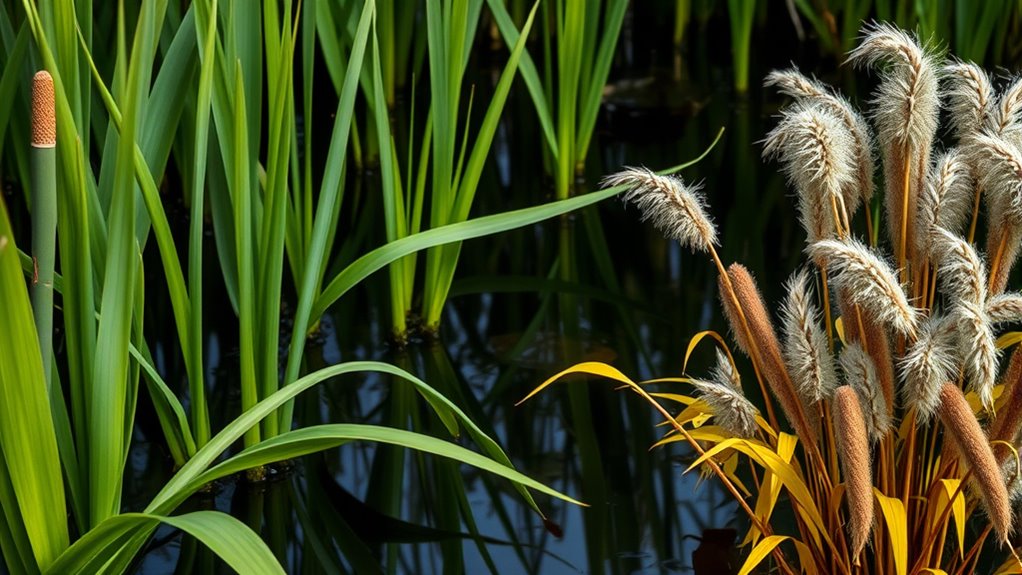

In emergencies, you can rely on wild starch sources like cattails, bulrushes, and arrowhead for food. Spot cattails by their grassy leaves and brown flower spikes, find bulrushes with tall reed-like stems, and uncover arrowhead tubers in flooded areas. Harvest carefully by extracting roots and rhizomes, then dry and grind them into flour for storage. mastering these skills helps you stay self-sufficient; keep going to discover detailed harvesting and preservation tips.

Get garden gear delivered free — and shop member deals
- Fast, free delivery on millions of items
- Access to Prime Big Deal Days deals on October 6–7
- Prime Video, Amazon Music and more included
Key Takeaways
- Cattails, bulrushes, and arrowhead are edible wild plants rich in starch, vital for emergency food supplies.
- Identify these plants by their distinctive features and habitats in wetlands, marshes, and flooded areas.
- Harvest sustainably by collecting roots, stems, or tubers without overharvesting or damaging the environment.
- Process starch sources through drying, roasting, or grinding to create usable flours or preserved food.
- Mastering these foraging skills ensures a reliable, self-sufficient food source during crises or shortages.
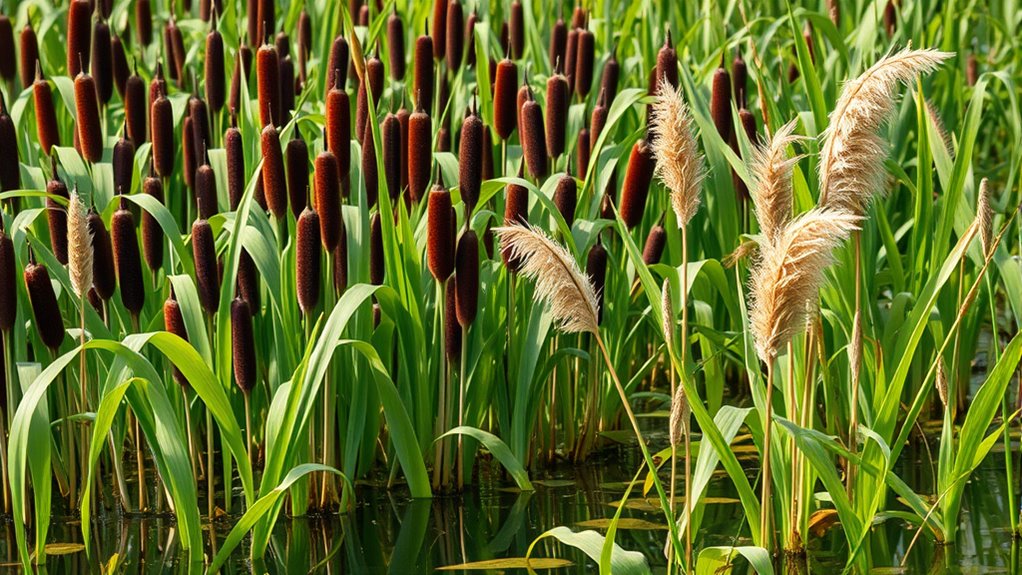
Have you ever been caught off guard by a sudden food shortage or power outage? When chaos strikes, your ability to adapt becomes your greatest strength. One way to take back control is by knowing how to harvest and prepare wild starch sources like cattail, bulrush, and arrowhead. These natural plants are more than just survival foods—they’re tools that can restore your independence and keep you nourished when store shelves are empty. Mastering foraging techniques allows you to locate these plants efficiently, even in unfamiliar environments. Look for cattails along riverbanks and marshes, bulrushes in shallow wetlands, and arrowhead roots in flooded fields. Once identified, you must also learn preservation methods to extend their usability, especially when you gather more than you can immediately consume. Developing foraging skills is essential for efficiently finding these resources and ensuring a sustainable food supply in emergency situations.
Foraging techniques are essential. You don’t want to waste time or energy searching aimlessly. Instead, develop a keen eye for the plants’ distinctive features. Cattails have thick, grassy leaves and a brown flowering spike, while bulrushes carry similar tall, reed-like stems with seed heads. Arrowhead plants grow in water and produce edible tubers at their roots, which are often submerged. When harvesting, always take only what you need and avoid overharvesting to keep the ecosystem balanced. Digging tubers from arrowhead plants is straightforward once you understand their growth pattern. Carefully extract the roots without damaging the plant, ensuring it can continue to thrive.
Preservation methods are equally important. Once you’ve gathered these starch sources, drying is the simplest way to extend their shelf life. For cattail and bulrush rhizomes, slice them into thin strips and air-dry or sun-dry until brittle. Arrowhead tubers can be baked or roasted to eliminate moisture, then stored in a cool, dry place. If you want to go further, grinding dried tubers into a flour-like consistency offers a versatile, long-lasting food that can be used for making bread or porridge. Sealing these preserved foods in airtight containers prevents spoilage and pests, giving you a reliable emergency supply. Learning these preservation methods transforms a temporary bounty into a lasting resource, empowering you to sustain yourself even in the worst circumstances.
wild starch plant identification guide
As an affiliate, we earn on qualifying purchases.
As an affiliate, we earn on qualifying purchases.
Frequently Asked Questions
Are Cattails, Bulrush, and Arrowhead Safe for Everyone to Eat?
You should be cautious with plant identification, as cattails, bulrush, and arrowhead can be safe for most, but not everyone. Some people might have allergies or sensitivities. Nutritional comparison shows these plants offer good energy, but proper identification is vital to avoid toxins. Always verify you’re harvesting from clean, uncontaminated areas. If unsure about safety, consult a guide or expert before eating these emergency starches to protect your health.
How Do I Identify Edible Parts of These Plants?
To identify edible parts of these plants, focus on specific features during plant harvesting. For cattails, look for the brown flower spike and tender shoots; for bulrush, identify the thick, rounded stems near water’s edge; and for arrowhead, find the starchy tubers along roots. Use identification techniques like examining leaf shape, growth patterns, and habitat to confidently harvest safe, nutritious parts, freeing you to gather with certainty.
Can These Starches Be Stored Long-Term Without Spoiling?
Yes, you can store these starches long-term by using proper storage techniques and preservation methods. Dry the roots or rhizomes thoroughly in a cool, dark place to prevent spoilage, then keep them in airtight containers or vacuum-sealed bags. Freezing can also extend shelf life. By mastering these techniques, you gain the freedom to access essential nutrients whenever needed, ensuring self-sufficiency and resilience in any situation.
What Are the Best Preparation Methods to Remove Toxins?
To remove toxins from cattail, bulrush, and arrowhead, you should use proper processing techniques like peeling and soaking. Boil the starches thoroughly to help break down toxins, then rinse multiple times to eliminate residual substances. Fermentation can also aid toxin removal, enhancing safety. By following these toxin removal methods, you empower yourself to enjoy these essential food sources freely, embracing self-reliance and food sovereignty in any situation.
Are There Any Health Risks Associated With Consuming These Plants?
Like a savvy explorer in uncharted waters, you should know that consuming cattail, bulrush, and arrowhead can carry toxin risks and allergy concerns. While they’re valuable survival foods, improper preparation might expose you to toxins or allergic reactions. Stay vigilant, thoroughly cook these plants, and watch for any adverse reactions. Your quest for independence demands safe choices—so respect these plants’ power and prepare wisely to make sure your health remains uncompromised.
Conclusion
When wilderness wandering, wield these wonderful starch sources—cattail, bulrush, and arrowhead—to sustain yourself. With quick-acting, reliable roots and reeds, you can confidently combat cravings and crises. Remember, resourcefulness and resilience thrive through recognizing and utilizing nature’s natural nourishment. So, stay sharp, stay savvy, and seize the starches that stand sturdy in survival situations. Your skillful sourcing ensures strength, sustenance, and survival whenever you need it most.
Fall yard work Picks
leaf blowers
As an affiliate, we earn on qualifying purchases.