In winter, edible pines offer essential resources you can harvest for sustenance and resilience. You can gather pine needles to brew fragrant tea rich in vitamin C and antioxidants, helping you stay revitalized. You might also carefully harvest cambium, the soft inner layer beneath the bark, which is nutrient-dense and versatile. Cones can provide additional edible seeds. Learning how to responsibly access these parts connects you to nature’s resilience—discover more ways to survive and thrive in the wild.
Key Takeaways
- Edible pines offer nutritious winter resources like pine needle tea, rich in vitamin C and antioxidants.
- Harvest young, vibrant pine needles carefully to prepare fragrant, healthful tea that boosts vitality.
- Cambium, the soft layer beneath bark, is edible and nutritious, harvested responsibly to avoid harming the tree.
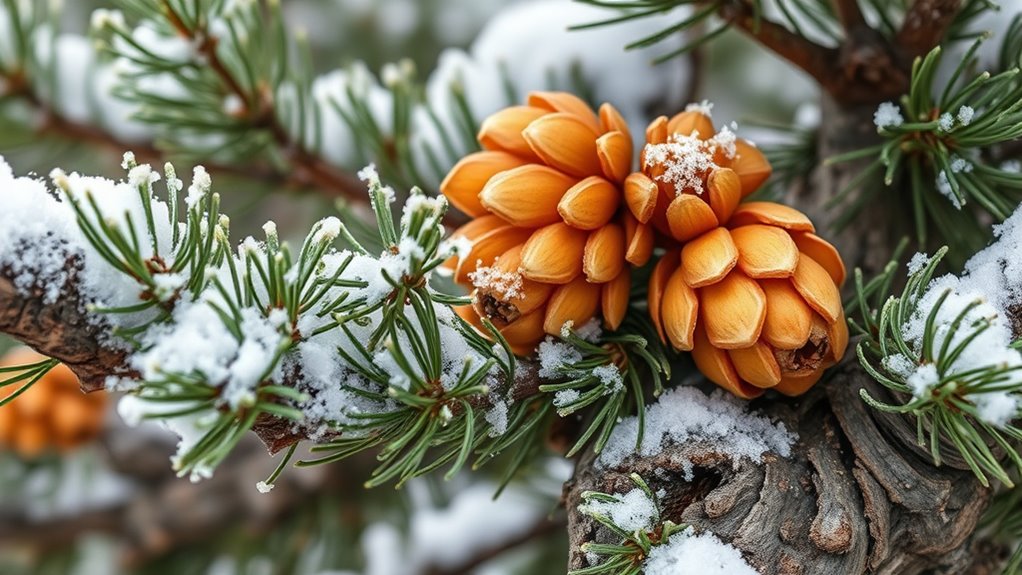
- Pine cones can be foraged as an additional edible resource, providing seeds and other nutritional benefits.
- Practicing sustainable harvesting of cambium, needles, and cones fosters self-sufficiency and deeper land connection.
Even in the cold winter months, edible pines remain a valuable resource for those who know where to look. You have the power to tap into nature’s resilience, to find nourishment where others see only barrenness. Pine needle tea is a prime example—an accessible, revitalizing brew made from the fresh, aromatic needles that cling to pine branches. By harvesting these needles carefully, you access a natural infusion rich in vitamin C and antioxidants, providing a crucial boost when most needed. This simple act of foraging grants you a taste of freedom from dependency on store-bought remedies; it reconnects you to the wild, to the land’s innate wisdom. The process is straightforward: pick young, vibrant needles, steep them in hot water, and enjoy a fragrant, healthful drink that invigorates your spirit and body alike. Such knowledge empowers you to sustain yourself independently, even during the harshest seasons.
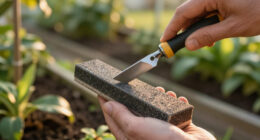
But beyond collecting pine needles, you can also engage in cambium harvesting—an ancient practice that reveals the tree’s inner bounty. Cambium is the soft, living layer beneath the bark, rich in sugars and nutrients. When you harvest cambium responsibly, you fundamentally tap into the tree’s life force without causing lasting harm. Using a small knife, you make thin, careful cuts into the cambium layer, allowing you to access this nutritious tissue. The cambium can be eaten raw, added to soups, or dried and ground into powder for later use. This practice gives you a profound sense of liberation—by sourcing your own sustenance directly from nature, you diminish your reliance on external systems and reconnect with the primal act of nourishment. The key is moderation: harvest only what you need, always leaving enough to allow the tree to recover and continue thriving.
Together, pine needle tea and cambium harvesting form a powerful duo that embodies self-sufficiency and resilience. They remind you that even in winter’s grip, the forest offers abundant resources for those willing to look, learn, and act with respect. Embracing these skills grants you independence from the constraints of modern life, awakening a deeper understanding that nature provides when you approach it with care and consciousness. You’re not just surviving; you’re reclaiming your right to sustain yourself, to thrive on the gifts of the land, and to stand liberated in harmony with the wilderness.

Organic Pine Needle Tea Bags – 100% Pure Natural Dried Pine Needles Herbal Tea, Effectively Antioxidant & Immune Support, Caffeine Free, 30 Tea Bags
- Premium Wild Pine Needles: Harvested from 30-year-old trees
- Supports Immune Health: Rich in antioxidants and bioflavonoids
- Caffeine-Free Herbal Tea: 100% natural and chemical-free
As an affiliate, we earn on qualifying purchases.
As an affiliate, we earn on qualifying purchases.
Frequently Asked Questions
Are Edible Pines Safe for Children to Consume?
You should exercise caution with edible pines around children because their pediatric safety isn’t fully confirmed. While some parts, like pine nuts, can be nutritious, other parts, such as cambium or needles, might cause allergic reactions or digestive issues. For children’s nutrition, always ensure proper identification and consult a healthcare professional before allowing kids to consume any pine products. Your goal is to keep their safety and health a top priority.
Can Edible Pine Parts Be Stored for Later Use?
Like a knight’s quest for freedom, you can store edible pine parts for later. Dry pine needles for pine needle infusion or pine cone syrup, then keep them in airtight containers in a cool, dark place. This preserves their flavors and benefits, allowing you to safeguard their essence whenever you desire. Just remember, proper storage ensures your pine treasures remain potent, ready to elevate your culinary adventures at any time.
How Do You Identify Edible Pine Species in Winter?
To identify edible pine species in winter, focus on pine needle identification and winter cambium signs. Look for needles in bundles of two or three, with a soft texture and distinct scent. Check the cambium—if it’s green or bright, that’s a good sign of edibility. Avoid brown or dried-out cambium, and compare needle arrangements carefully, so you can confidently find safe, edible pines even in winter’s grip.
Are There Any Health Risks From Eating Pine in Winter?
Think of eating pine as opening nature’s secret treasure chest—exciting but cautious. While some pines are safe, toxicity concerns and allergic reactions can turn this adventure sour. You might experience discomfort if you’re sensitive. To truly enjoy the bounty, guarantee correct identification and moderation. Don’t let fear lock you out; just respect the risks and savor the liberating thrill of foraging responsibly.
What Are Traditional Recipes Using Edible Pine Parts?
You can make invigorating pine needle tea by steeping fresh needles in hot water, boosting your wellness naturally. For a sweet treat, try pine cone jam, which captures the rich, resinous flavor of the cones. These traditional recipes help you harness the pine’s edible parts, offering a taste of freedom through nature’s bounty. Embrace these simple, liberating ways to enjoy pine during winter months.
Conclusion
So, savor the subtle sweetness of sturdy, seasonal pines this winter. Embrace their edible essence, explore their engaging elements, and enjoy nature’s nourishing nuance. Remember, resilience and renewal reside in these rugged, rustic riches. By biting into their bountiful branches, you benefit from their beauty, balance, and brimming bounty. Stay spirited, stay seeking, and let these hardy pines humble and heal you through their hearty, wholesome harvests.