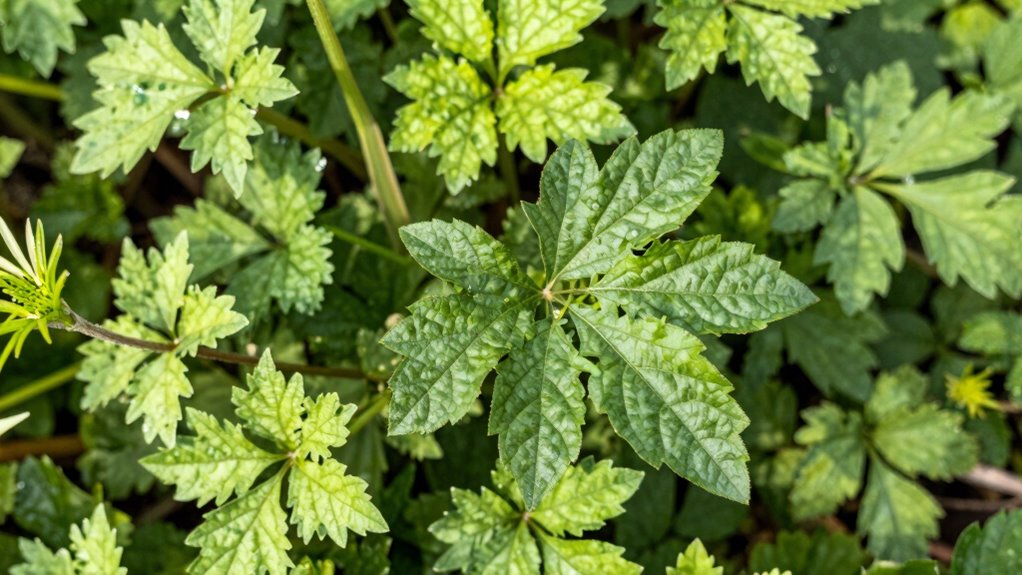
As a beginner, you’re most likely to misidentify wild mustard for edible greens like spinach or other harmless-looking plants. Wild mustard has bright yellow flowers and jagged leaves, which can easily be mistaken for non-toxic plants if you’re not careful. Recognizing key features such as leaf shape, color, and plant habit is essential to stay safe. If you keep exploring, you’ll discover more tips to confidently identify safe greens and avoid common mistakes.
Key Takeaways
- Beginners often mistake wild mustard for edible greens due to its bright yellow flowers.
- Young lamb’s quarters can be confused with toxic plants like nightshade.
- Wild spinach may be misidentified with similar-looking, inedible or toxic plants.
- Recognizing key features like leaf shape and texture helps differentiate safe greens from look-alikes.
- Environmental factors and plant stage can cause confusion, increasing misidentification risks for novices.
Have you ever confidently identified a wild green only to discover it was something else entirely? It’s a common experience for beginners venturing into foraging, and it highlights the importance of understanding foraging safety and honing your identification techniques. When you’re starting out, it’s easy to mistake edible greens for toxic look-alikes, especially since many wild plants share similar features. That’s why proper identification is essential before you harvest and consume anything from the wild. Rushing can lead to serious health risks, so taking your time to learn and double-check each plant is vital.
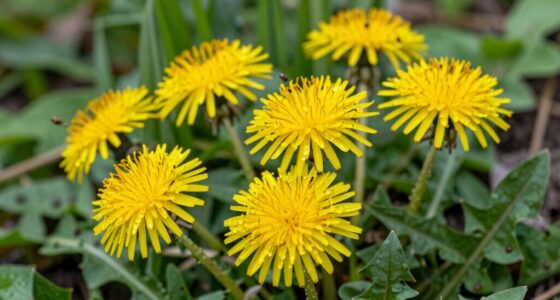
One of the most common greens beginners misidentify is wild mustard or wild radish. These plants often resemble other foraged greens like wild spinach or certain types of dock. The key to avoiding confusion is paying attention to details like leaf shape, smell, and growth habit. For example, wild mustard typically has bright yellow flowers and jagged, deeply lobed leaves, whereas edible greens like spinach have smooth, rounded leaves. Using identification techniques such as examining the plant’s flowers, stem structure, and leaf arrangement helps you distinguish between safe and hazardous plants. Always cross-reference with reputable guides or field identification apps before harvesting.
Wild mustard has bright yellow flowers and jagged leaves; spinach features smooth, rounded leaves—know the differences to stay safe.
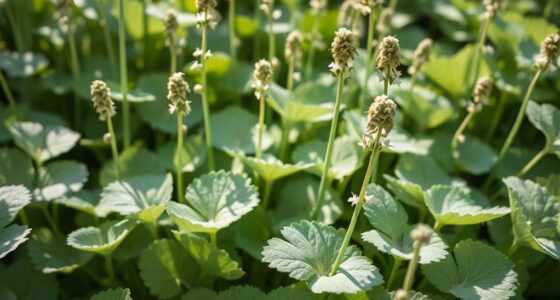
Another frequently misidentified green is lamb’s quarters, which can look similar to other plants like pigweed. Lamb’s quarters usually have a distinctive diamond-shaped leaf with a powdery coating on the surface. Recognizing these features helps prevent confusion with other plants that might be less safe to eat or completely inedible. When foraging, always check multiple identification points—such as leaf shape, texture, and growth pattern—and avoid relying on a single trait. Remember, even experienced foragers double-check their finds. Additionally, understanding the environmental factors that influence plant growth can further aid in accurate identification and safe harvesting practices. Being aware of plant habitat can help differentiate edible greens from potentially toxic look-alikes. Furthermore, paying attention to plant lifecycle stages can be crucial because young, tender greens are usually safer and more nutritious.
Foraging safety is about more than just correct identification; it also involves understanding the environment and avoiding plants that grow near contaminated areas like roadsides or industrial sites. Many beginners overlook this and end up harvesting plants that could contain pollutants or pesticides. To keep yourself safe, stick to clean, wild areas and learn habitat-specific characteristics of edible greens. It’s also helpful to study how plant growth cycles can affect the safety and edibility of different greens. It’s also wise to start by gathering plants with well-known safety profiles, gradually expanding your knowledge as your skills improve. Developing a good understanding of emerging trends in digital publishing can also help you access up-to-date identification resources and communities for safer foraging practices.
In the end, patience and practice are your best tools. Use identification techniques consistently, and never consume a plant unless you’re 100% sure of its identity. With time, you’ll develop an eye for recognizing the most common greens and avoiding dangerous look-alikes. Respect for the plants and cautious foraging practices will keep your wild greens adventures safe and rewarding.

The Complete Guide to Edible Wild Plants
In-depth Guide to edible plants
As an affiliate, we earn on qualifying purchases.
As an affiliate, we earn on qualifying purchases.
Frequently Asked Questions
Are Wild Greens Safe to Eat Raw or Should They Always Be Cooked?
You can eat some wild greens raw, but always follow foraging safety tips to avoid risks. Many wild greens, like purslane or lamb’s quarters, are safe when fresh and added to salads or wild green recipes. However, some, like nightshades or bitter greens, should be cooked to remove toxins. Always identify plants correctly and research specific foraging safety tips before eating raw or cooked wild greens.
How Can I Tell if a Wild Green Is Toxic or Edible?
You can tell if a wild green is toxic or edible by carefully examining it for toxic look-alikes, which often resemble safe greens. Always conduct edibility testing by trying a small amount first, and wait to see if you experience any adverse reactions. Consult reliable foraging guides or experts to confirm identifications, and avoid eating anything you’re unsure about, as misidentification can lead to poisoning.
What Tools Are Best for Foraging Wild Greens?
Think of your tools as a trusty compass guiding you through wild green myths and foraging etiquette. A sharp knife helps you harvest cleanly, while a basket keeps your greens fresh as you gather. A field guide or app illuminates your path, helping you identify safe edibles. Remember, respectful foraging means respecting nature’s rules—leave no trace and always verify your finds, turning each outing into a mindful adventure.
Are There Seasonal Variations in Wild Green Availability?
Yes, there are seasonal variations in wild green availability. You’ll notice seasonal abundance shifts throughout the year, making foraging timing essential. In spring, greens like wild spinach and nettles flourish, while in summer, you might find more dandelions and lamb’squarters. As seasons change, some greens become scarce, so plan your foraging trips accordingly. Tracking these variations helps you harvest sustainably and guarantees you get the freshest, most abundant greens.
How Do I Start Learning to Identify Wild Greens Accurately?
Learning to identify wild greens is like opening a secret garden; it’s exciting and a little overwhelming at first. Start with simple foraging tips, like focusing on common plants in familiar habitats such as meadows or forest edges. Use field guides, join local foraging groups, and practice regularly. Pay close attention to leaf shapes, textures, and smells. With patience, you’ll become confident in distinguishing edible greens from lookalikes.

The Ron Cordes Pocket Guide to Field Dressing Game with Steve Gilbert, Big Game, Game Birds, Bushcraft, Survival, Skinning, Boning, Packing, Waterproof, Well Illustrated, for New & Experienced Hunters,PGFDG
PRACTICAL: Includes information about basic cuts, skinning, boning, packing and more
As an affiliate, we earn on qualifying purchases.
As an affiliate, we earn on qualifying purchases.
Conclusion
Remember, the wild greens you’re enthusiastic to harvest are like hidden treasures in a dense forest—beautiful but easily mistaken. With patience and careful identification, you’ll soon distinguish the edible from the dangerous, turning uncertainty into confidence. Don’t rush—each leaf is a story waiting to be told, a whisper of nature’s bounty. Trust your senses and knowledge; the forest’s secrets are safest when approached with respect and a keen eye. Happy foraging!
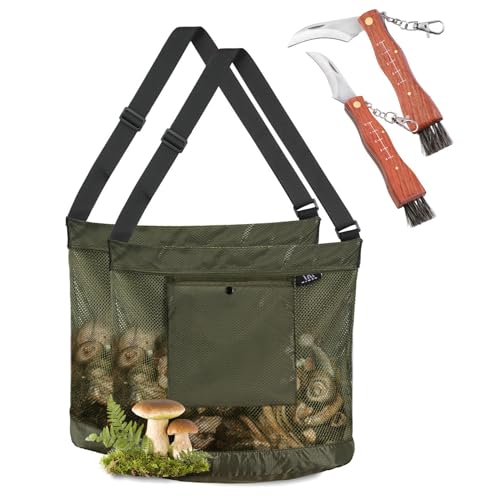
MYWSN Mushroom Foraging Kit – 2 Pack Black & Green Foraging Bag with Mesh Material, Adjustable Strap, Smartphone Pocket – Ideal for Nature Lovers, Outdoor Enthusiasts, Students & Hobbyists
COMPLETE MUSHROOM FORAGING KIT – This mushroom hunting bag has a pocket that can hold your phone, foraging…
As an affiliate, we earn on qualifying purchases.
As an affiliate, we earn on qualifying purchases.

VIVOSUN 30X Rechargeable Loupe Magnifier with White LED Light and UV Light, Portable Magnifying Glass with Optical Glass Lens & Scale for Jewelry, Textile, Gems, Stamps, Coins and Plants
Solid Material: The glass of this magnifier is surrounded a zinc alloy material; The double optics also indicate…
As an affiliate, we earn on qualifying purchases.
As an affiliate, we earn on qualifying purchases.