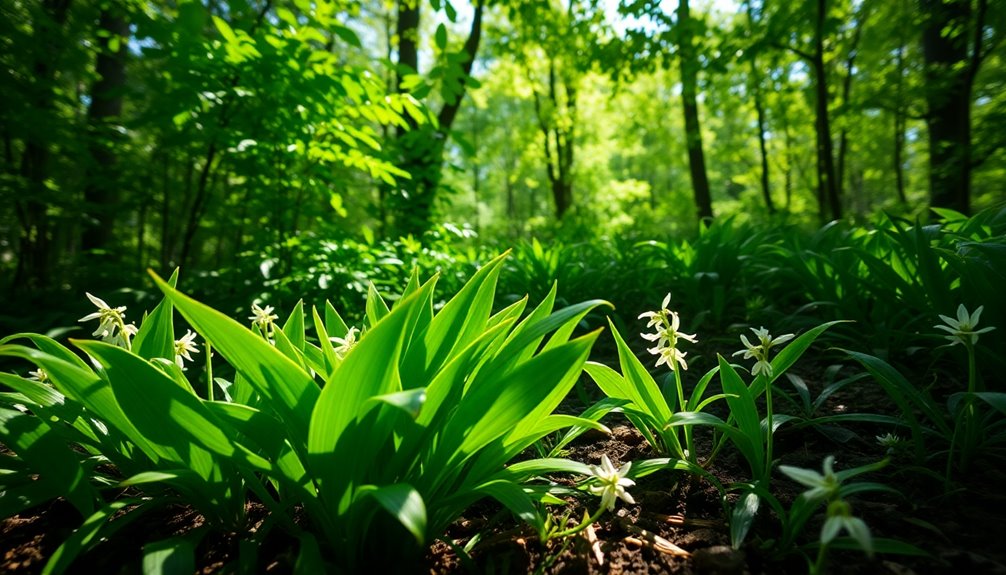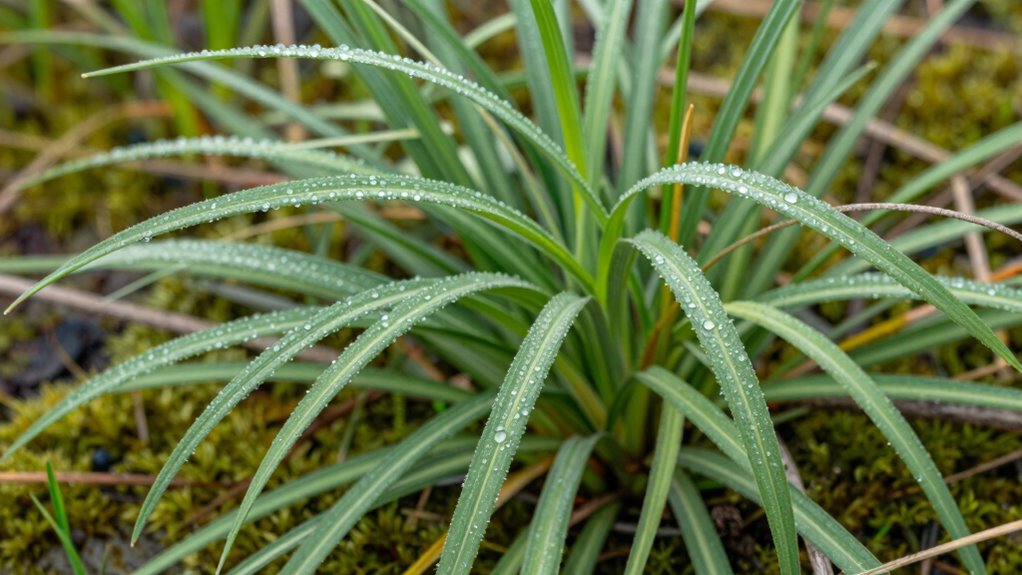

Dock is a reliable wild food plant because it grows everywhere—from riverbanks to urban areas—making it easy to find and accessible for foragers of all levels. Its distinct, elongated leaves help you identify it quickly, ensuring safety when harvesting. Plus, dock is packed with vitamins, minerals, and antioxidants that boost your health. By understanding its growth cycle, you can harvest at the best time for maximum nutrition. Keep exploring to discover even more about this versatile plant.
Key Takeaways
- Easily identifiable with distinct, elongated leaves, reducing the risk of misidentification.
- Grows abundantly in diverse environments, ensuring consistent availability for foragers.
- Has a resilient nature, thriving in various conditions with minimal effort.
- Harvesting at the right growth stage maximizes nutritional value and safety.
- Rich in essential vitamins, minerals, and antioxidants, making it a nutritious wild food source.
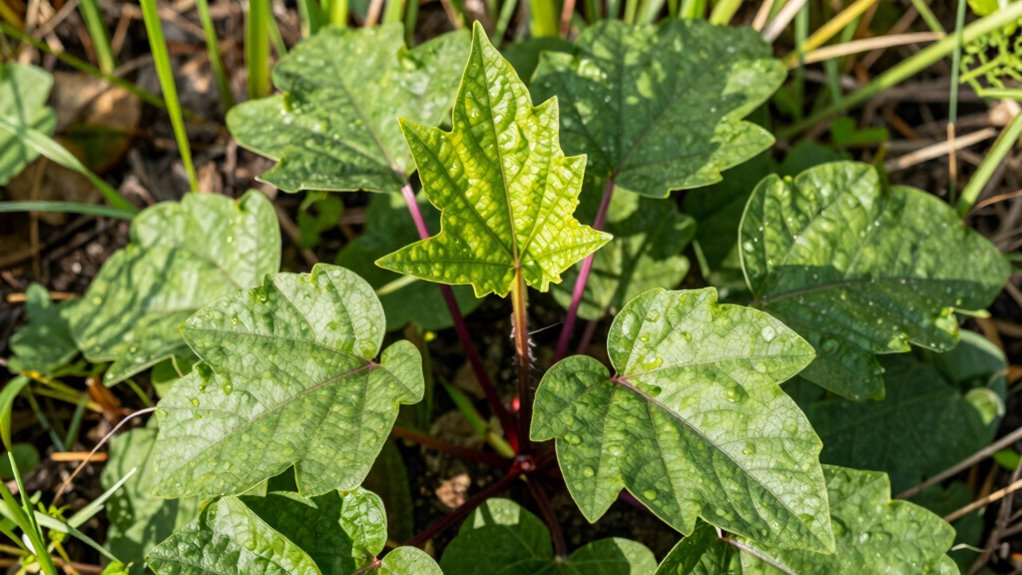
Dock, often overlooked, is a dependable wild food plant that can be a valuable addition to your foraging repertoire. Its resilience and widespread availability make it an accessible resource, especially when you’re looking to supplement your diet with nutritious, wild greens. One of the reasons dock stands out as a reliable choice is its robustness; it grows abundantly in many environments, from riverbanks to disturbed urban areas. This means you’re likely to find it with little trouble, even if you’re new to foraging. However, as with any wild food, foraging safety should always be your priority. Proper identification is essential—dock has distinct, elongated leaves that can be easily mistaken for other plants. Learning to distinguish it from lookalikes helps prevent accidental ingestion of inedible or toxic plants. Also, avoid foraging from areas exposed to pollution or pesticides, as these can contaminate the plant and pose health risks. Incorporating responsible foraging practices ensures sustainability and safety for both you and the environment. Additionally, understanding the plant’s growth cycle can help you harvest at its most nutritious stage. Recognizing the energy efficiency of foraged foods like dock can also help in reducing reliance on store-bought produce, saving money and resources. Nutritional benefits are a major reason to include dock in your wild food collection. It’s packed with vitamins A, C, and K, along with minerals like calcium, iron, and magnesium, making it a nutrient-dense addition to your meals. Consuming dock greens can support your immune system, improve bone health, and boost overall vitality. The plant’s high fiber content also promotes digestive health, helping to regulate your gut and prevent constipation. Plus, dock contains antioxidants that can combat free radicals, reducing oxidative stress. Because of its nutritional profile, incorporating dock into your diet can be a smart way to maximize the health benefits of wild foods.

YOcity 48Pcs Edible Tropical Plam Leaves Cake Toppers Wafer Paper Tropical Palm Leaves Cupcake Toppers for Hawaii Theme Jungle Summer Party Birthday Wedding Baby Shower Cake Decoration
- Premium Edible Material: Made from tasteless, sugar-free rice paper
- Complete Package: Includes 48 palm leaf toppers in a box
- Ideal Size: Each leaf measures 1.57 x 1.97 inches
As an affiliate, we earn on qualifying purchases.
As an affiliate, we earn on qualifying purchases.
Frequently Asked Questions
What Are the Nutritional Benefits of Dock?
You’ll find that dock is a highly nutritious wild edible, offering impressive nutritional value. It’s rich in vitamins A, C, and K, which support your immune system and overall health. Dock also provides minerals like calcium, iron, and magnesium, essential for your bones and blood. Its fiber content helps digestion, making it a smart addition to your diet. Overall, dock’s nutrient profile makes it a reliable, health-boosting wild food choice.
How Do I Identify Dock in the Wild?
Identifying dock is like spotting an old friend in a crowd. Look for tall, sturdy plants with large, lance-shaped leaves that are rough and slightly wrinkled. They typically grow in moist, waste areas. When foraging, follow safety tips like ensuring your plant isn’t confused with similar species and double-checking your identification. Always harvest from clean areas to avoid pesticides or pollutants, ensuring a safe and rewarding wild food experience.
Are There Any Safety Concerns When Foraging Dock?
Yes, there are safety concerns when foraging dock. You should watch out for poisonous look-alikes like rhubarb or sorrel, which can be mistaken for dock. Also, some individuals might experience allergic reactions, especially if they have sensitivities to plants in the same family. To stay safe, properly identify dock, start with small amounts, and consult reliable guides or experts if you’re unsure.
Can Dock Be Cultivated at Home?
Yes, you can cultivate dock at home using simple growing techniques. Start by choosing a sunny spot with well-draining soil. Sow the seeds directly in the ground or in containers, spacing them appropriately. Keep the soil moist, and you’ll see growth within a few weeks. Home cultivation of dock is straightforward, and it provides a reliable source of greens for cooking or medicinal uses, making it a great addition to your garden.
What Are Traditional Uses of Dock in Medicine?
You can use dock in traditional medicine as an herbal remedy for skin issues, digestive problems, and inflammation. Historically, people have applied dock leaves directly to insect bites or rashes for relief. Its roots and leaves have also been brewed into teas to treat constipation and liver ailments. These traditional practices showcase dock’s role in herbal remedies, making it a valued plant in many folk medicine traditions.
Conclusion
Think of dock as your trusty compass in the wild, guiding you to nourishment when you need it most. Its resilience and abundance make it a dependable friend in unpredictable times, always ready to serve up a healthy meal. By recognizing its value, you discover a wild treasure chest right outside your door. So next time you’re out exploring, remember—dock isn’t just a weed, it’s your wild food compass, leading you to nourishment and adventure.