
TL;DR

Get garden gear delivered free with Prime
- Fast, free delivery on millions of items
- Prime Video, Amazon Music and more included
- Member-only deals all year
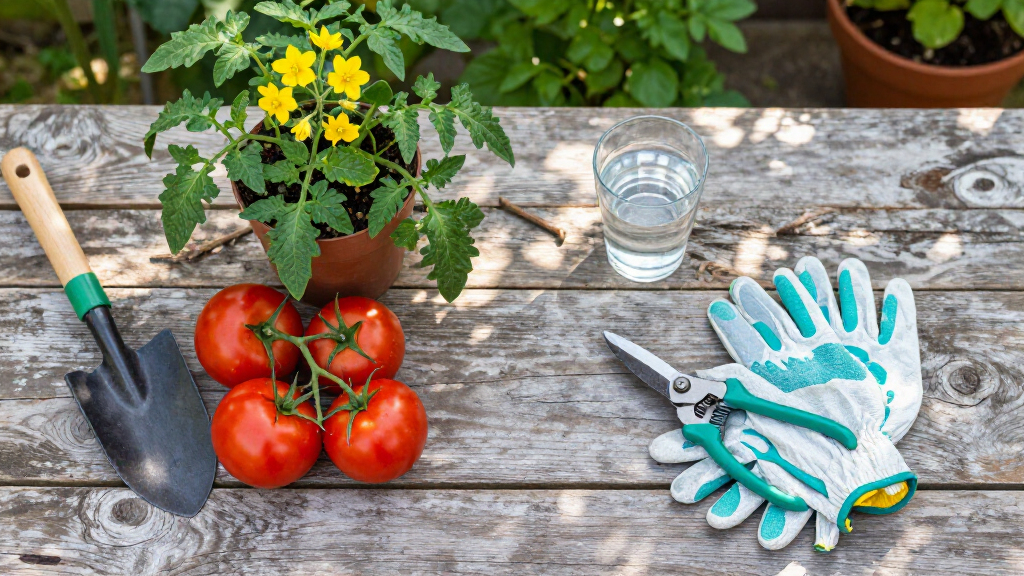
Many gardeners notice tomato plants with flowers but no fruit forming. This issue is often caused by environmental stress or improper care. Immediate steps can help improve fruit yields before the season concludes.
Many home gardeners are observing a common problem: their tomato plants are producing flowers but no fruit. Experts confirm this is often caused by environmental stressors or improper care, and addressing these issues promptly can help maximize fruit production before the season ends.
According to horticultural specialists, the phenomenon of tomato plants flowering without setting fruit is typically linked to factors such as temperature fluctuations, inconsistent watering, or nutrient imbalances. For example, high daytime temperatures above 85°F or nighttime temperatures above 70°F can inhibit pollination, leading to flowers that drop without developing into fruit. Additionally, irregular watering can cause stress, prompting plants to shed flowers prematurely. Nutrient deficiencies, especially low calcium or nitrogen, may also impair fruit set. Gardeners are advised to monitor environmental conditions closely and make adjustments accordingly. You can learn more about pruning tomatoes to improve plant health.
Experts recommend several immediate actions: ensuring consistent watering to keep soil evenly moist, providing shade during the hottest parts of the day to reduce heat stress, and applying balanced fertilizers to support healthy growth. For plants showing signs of stress, using supplemental pollination techniques—such as gently shaking the plants or hand-pollinating with a small brush—can help improve fruit set. These measures are most effective when implemented early, as the season’s remaining time for fruit production is limited.
Implications for Gardeners Facing Late-Season Tomato Challenges
This issue matters because many gardeners rely on their tomato harvests for fresh eating or preserving. Failure to set fruit reduces yields and can be disappointing, especially as the season winds down. Understanding the causes and solutions can help gardeners salvage their plants and maximize remaining harvest potential, avoiding waste and ensuring a more successful season.
As an affiliate, we earn on qualifying purchases.
Understanding Why Tomato Flowers Fail to Set Fruit
Tomato flowering without fruit is a common problem that tends to occur during hot or fluctuating weather conditions. Historically, this issue appears in late summer or early fall when temperatures are high, and environmental stressors peak. It is also influenced by pollination conditions; tomatoes are self-pollinating but need specific temperature ranges for optimal pollination. Previous seasons have shown that inconsistent watering, poor soil nutrition, and high stress levels exacerbate the problem. Gardeners should consider these factors when diagnosing their plants’ health and potential solutions.
“High temperatures and inconsistent watering are the primary culprits behind flowers dropping without setting fruit. Addressing these issues quickly can significantly improve yields.”
— Dr. Lisa Johnson, horticulturist at GreenGrow Labs
Unclear Factors Affecting Fruit Set in Varying Conditions
While environmental stressors like temperature and watering are confirmed causes, it is still unclear how much each factor individually impacts fruit set in different climates. The effectiveness of interventions such as supplemental pollination can vary based on plant variety and local conditions. Researchers are continuing to study the precise thresholds and interactions that lead to flower drop, so some uncertainty remains regarding the best long-term solutions for diverse gardening environments.
Next Steps for Gardeners to Maximize Tomato Harvests
Gardeners should monitor weather conditions closely and implement immediate measures such as consistent watering, shade provision, and gentle pollination techniques. As the season progresses, adjusting fertilization and possibly planting heat-tolerant varieties can help. Experts recommend documenting what works in your specific environment to develop tailored strategies for future seasons. Additionally, staying informed through local gardening resources and extension services can provide ongoing support and updates on best practices.
Key Questions
Why are my tomato flowers dropping without forming fruit?
This is often caused by high temperatures, inconsistent watering, or nutrient deficiencies, which inhibit pollination and fruit development.
Can I still save my tomato plants at this stage?
Yes, implementing measures such as consistent watering, providing shade, and hand-pollinating can help improve fruit set before the season ends.
What environmental conditions are most harmful to tomato pollination?
Temperatures above 85°F during the day or above 70°F at night can significantly reduce pollination success.
Should I fertilize my plants now to boost fruit production?
Applying a balanced fertilizer with adequate calcium and nitrogen can support overall plant health, but timing and application should be tailored to your specific conditions.
Are there tomato varieties more tolerant to heat and stress?
Yes, some heat-tolerant varieties are available, and planting these in late-season can help mitigate stress-related flower drop.
Source: rss
Columbus Day / Indigenous Peoples' Day Picks
long weekend sales
As an affiliate, we earn on qualifying purchases.