To interpret a landscape like a forager, start by observing how plants grow in different spots, noting signs of seasonal change such as blooming, leaf color, and plant maturity. Pay attention to terrain features, water sources, and ecological clues that reveal where edible plants thrive. Recognize growth patterns that signal the best harvesting times and consider environmental cues like weather and landscape conditions. Keep exploring these natural signals, and you’ll uncover even more secrets of the land’s story.
Key Takeaways
- Observe plant distribution, growth stages, and terrain to identify optimal foraging spots and seasonal availability.
- Recognize landscape features like water sources and terrain types that influence plant presence.
- Use seasonal cues such as flowering, leaf color, and plant dormancy to determine harvest timing.
- Note ecological indicators and environmental signs that signal plant health and readiness.
- Integrate mindful observation of natural rhythms to enhance sustainable foraging practices.
Have you ever looked at a landscape and wondered what stories it holds? As a forager, learning to read the terrain becomes your most valuable skill. It’s not just about spotting edible plants; it’s about understanding the landscape’s narrative, deciphering clues that nature offers through plant identification and seasonal cues. When you start paying close attention, you’ll notice that certain plants appear at specific times of the year, signaling the right moment to harvest or move on. These seasonal cues—like the bloom of a flower or the changing color of leaves—guide your foraging journey, telling you when a plant is ripe or when it’s best to leave it alone.
Plant identification is your first step. To read a landscape effectively, you need to recognize the key species that thrive in that environment and understand their growth patterns. For example, if you see the delicate green tendrils of wild garlic pushing through the soil, you know it’s early spring, and the season is just beginning. As summer approaches, you might spot clusters of berries or herbs like elderflower, indicating the peak of their season. Over time, you’ll notice subtle differences—how certain plants grow in shaded areas versus sunny patches or along water’s edge. These clues reveal not only what’s edible but also when and where to find it. Additionally, understanding seasonal cues can help you anticipate the best times to forage, making your foraging more efficient and sustainable. Recognizing landscape features such as terrain and water sources can further increase your success in finding edible plants. Moreover, paying attention to ecological relationships between plants and their environment can deepen your understanding of the land’s health and diversity. Incorporating knowledge of plant growth cycles and environmental indicators enhances your ability to identify the optimal harvest time and ensure sustainability.
Recognize key plants and their growth patterns to read the landscape’s seasonal stories effectively.
Seasonal cues are your natural alarm system, alerting you to the right times for foraging. When buds swell or flowers bloom, it’s a sign that certain plants are reaching maturity. As leaves turn color and fall, some plants are going dormant, signaling you to switch your focus. Understanding these cues helps you avoid harvesting too early or too late, ensuring sustainability and respect for nature’s cycles. For instance, if you see elderflowers in full bloom, you know the berries are just a few weeks away. Recognizing these patterns turns a simple walk into a guided exploration of nature’s calendar.
Reading the landscape isn’t just about spotting plants; it’s about tuning into the environment’s rhythm. By combining plant identification skills with an eye for seasonal cues, you become more attuned to the land’s story. This awareness transforms foraging from a task into a mindful practice—one where you learn from the landscape itself. The more you observe, the more you’ll realize that every plant and every change in the environment is a chapter in the land’s ongoing story, waiting for you to listen and learn.
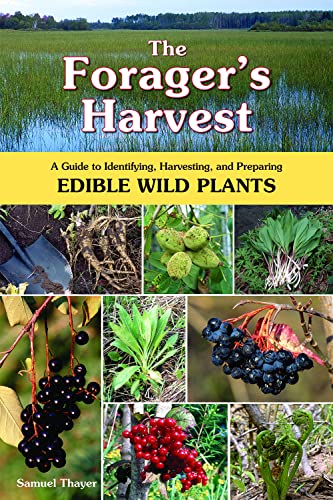
The Forager's Harvest: A Guide to Identifying, Harvesting, and Preparing Edible Wild Plants
As an affiliate, we earn on qualifying purchases.
As an affiliate, we earn on qualifying purchases.
Frequently Asked Questions
What Tools Do Foragers Typically Carry for Landscape Reading?
You typically carry a few essential tools for landscape reading, like a plant identification guide, which is vital for recognizing edible and medicinal plants. A small knife or scissors helps with sample collection, while a notebook allows you to note features and observations. The tool importance lies in making plant identification easier and safer, ensuring you accurately understand the landscape and avoid hazards. These tools empower you to forage confidently and responsibly.
How Does Seasonal Change Affect Landscape Foraging?
Seasonal change greatly influences your landscape foraging by altering plant lifecycle stages and soil health. In spring, you find new growth and tender plants, while summer offers mature edibles. Fall signals harvest time, and winter reveals dormant plants. Pay attention to soil health signals, like moisture and color, which affect plant availability. Understanding these seasonal shifts helps you identify the best foraging opportunities and avoid disrupting the ecosystem.
Can Urban Landscapes Be Safely Foraged?
Yes, you can forage safely in urban landscapes, but you need to be cautious. Urban wilderness often contains plants that are contaminated with pollutants or pesticides, so always verify plant safety before harvesting. Stick to known edible species and avoid areas near busy roads or industrial sites. Practice foraging safety by thoroughly identifying plants and avoiding areas with heavy foot traffic or chemical runoff. Staying informed helps you enjoy urban foraging responsibly.
What Signs Indicate Edible Plants Versus Toxic Ones?
Think of the landscape as a map of danger and delight. Edible plants usually have vibrant, healthy-looking leaves and are free from pollution effects like discoloration or wilting. Toxic plants often show signs of plant maturity, such as bitter taste, strange smell, or unusual markings. Always double-check identification guides, as some toxic plants mimic edible ones. When in doubt, leave it be—safety’s worth more than a risky snack.
How Do Weather Conditions Influence Foraging Decisions?
Weather patterns and soil moisture greatly influence your foraging decisions. After heavy rains, focus on mushrooms and wild greens that thrive in moist soil, but be cautious of sudden weather changes. During dry spells, look for plants with deep roots or those that store water. Understanding these conditions helps you identify the best spots and times to forage safely and sustainably, ensuring you harvest when plants are most abundant and nutritious.
Conclusion
As you stand quietly, eyes scanning the landscape, a hidden world unfolds before you. Every shape, color, and scent hints at secrets waiting to be uncovered. Will you spot the elusive edible plant or catch the whisper of a trail? The more you observe, the more the landscape reveals its stories. But beware—what you find could change how you see this place forever. Are you ready to uncover its mysteries and become a true forager?