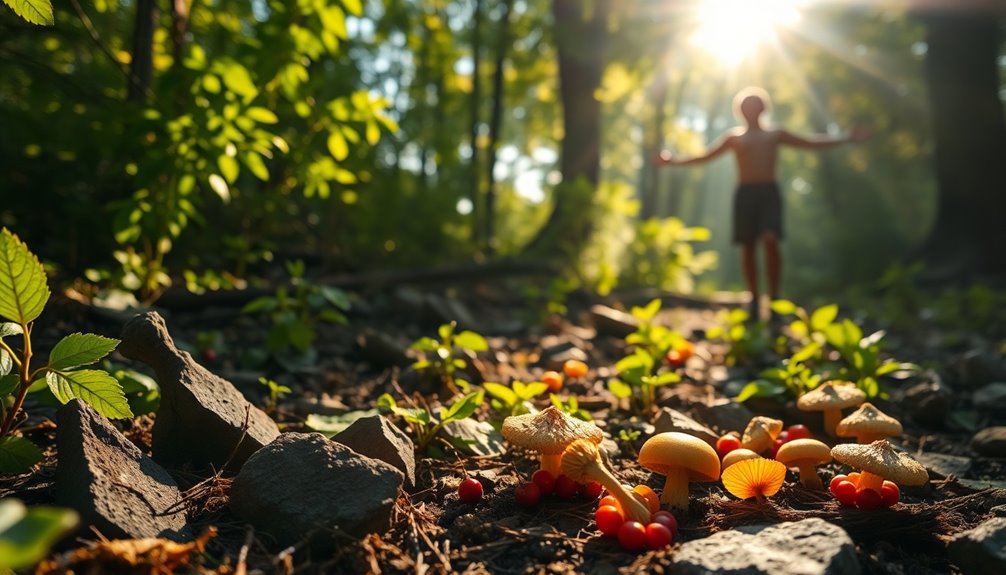

Starting a foraging habit as a beginner involves balancing safety, ease of use, and practical knowledge. The best overall pick is How to Forage for Wild Foods without Dying, thanks to its clear guidance and focus on safety. The Safe Foraging Bible for Beginners stands out for its detailed illustrations and confidence-building tips, making it ideal for cautious newcomers. The main tradeoff in this category is between comprehensive detail and simplicity; more detailed guides often require a steeper learning curve. Keep reading for a full breakdown of the top options and what makes each suitable for different types of foragers.

Get garden gear delivered free with Prime
- Fast, free delivery on millions of items
- Prime Video, Amazon Music and more included
- Member-only deals all year
Complete the kit


Key Takeaways
- The most successful beginner guides balance safety instructions with accessible identification tips.
- Visual aids like full-color photos significantly boost confidence in correctly identifying wild edibles.
- Guides focusing specifically on regional flora help beginners avoid common misidentifications.
- Comprehensive books often include harvesting and preparation advice, appealing to those wanting full knowledge.
- Tradeoffs between simplicity and depth determine which guide is best suited for a new forager’s comfort level.
| Northeast Foraging for Beginners: Exploring the Wild Edibles of an Enchanting Region |  | Best Regional Focus for Novice Foragers | Region Focus: Northeast | VIEW ON AMAZON | See Our Full Breakdown | ||
| The Forager’s Harvest: A Guide to Identifying, Harvesting, and Preparing Edible Wild Plants |  | Most Comprehensive for Wild Plant Identification and Use | Coverage: Wild plants, harvesting, preparation | Intended Audience: Beginners and experienced foragers | VIEW ON AMAZON | See Our Full Breakdown | |
| The Safe Foraging Bible for Beginners: A Full-Color Field Guide to Safely Identifying Wild Edible Plants, Harvesting with Confidence, and Discovering Delicious Foods That Nature Hides in Plain Sight |  | Best Visual Aid and Confidence Builder for Beginners | Illustrations: Full-color | Safety Focus: Basic, but limited | VIEW ON AMAZON | See Our Full Breakdown | |
| Midwest Foraging: 115 Wild and Flavorful Edibles from Burdock to Wild Peach |  | Best Regional Guide for Midwest Foragers | Region: Midwest | Plants Covered: 115 | Includes Recipes: Yes | VIEW ON AMAZON | See Our Full Breakdown |
| How to Forage for Wild Foods without Dying: An Absolute Beginner’s Guide to Identifying 40 Edible Wild Plants |  | Most Focused on Safety and Basic Identification | Number of Plants: 40 | Safety Emphasis: High | VIEW ON AMAZON | See Our Full Breakdown | |
| The New Foraging Bible for Beginners: A Guide to Identifying and Preparing Edible Wild Plants |  | Best Comprehensive Intro for Beginners Interested in Safe, Sustainable Foraging | Content Focus: Identification, safety, sustainability | Visual Aids: None | Target Audience: Beginners interested in safe, sustainable foraging | VIEW ON AMAZON | See Our Full Breakdown |
| Go Forth and Forage: A Guide to Foraging Over 50 of the Most Common Edible & Medicinal North American Mushrooms |  | Best Focused on North American Mushrooms for Enthusiasts Ready to Identify Medicinal Varieties | Number of Species Covered: Over 50 | Region: North America | Focus: Edible and medicinal mushrooms | VIEW ON AMAZON | See Our Full Breakdown |
| How to Forage for Mushrooms without Dying: An Absolute Beginner’s Guide to Identifying 29 Wild, Edible Mushrooms |  | Best Safety-Focused Mushroom Guide for Complete Beginners | Number of Mushrooms Covered: 29 | Focus: Safety and identification | Region: General North American | VIEW ON AMAZON | See Our Full Breakdown |
| Mushroom Foraging for Beginners: A Simple Guide to Wild Fungi Identification and Safe Harvest |  | Best Beginner-Friendly Guide for Easy Mushroom Identification and Safety | Number of Species Covered: Varies | Focus: Simple identification and safety | Region: General North American | VIEW ON AMAZON | See Our Full Breakdown |
| Edible Wild Plants for Beginners: A Comprehensive Guide to Foraging, Harvesting, and Cooking |  | Best All-in-One Guide for Beginners Interested in Edible Plants and Culinary Uses | Content Focus: Foraging, harvesting, cooking | Visual Aids: None | Target Audience: Beginners interested in culinary uses | VIEW ON AMAZON | See Our Full Breakdown |
More Details on Our Top Picks
Northeast Foraging for Beginners: Exploring the Wild Edibles of an Enchanting Region
This guide stands out for its detailed focus on the Northeast’s edible flora, making it ideal for beginners eager to explore local wild foods. Unlike broader guides such as ‘The Forager’s Harvest,’ it emphasizes regional specificity, which can help new foragers avoid common misidentifications in unfamiliar terrain. However, its lack of illustrations or maps may challenge those who rely on visual cues. This makes it better suited for those with some familiarity with local plants or who plan to forage in familiar areas. Its depth into regional plants offers a strong starting point but might leave absolute beginners needing supplementary visual aids.
Pros:- Focuses specifically on Northeast edible wild plants, increasing identification accuracy
- Provides safe foraging practices tailored to the region
- Ideal for nature enthusiasts wanting local knowledge
Cons:- Lacks illustrations and maps, which are crucial for visual identification
- No user reviews or ratings available, making it hard to gauge practical effectiveness
Best for: Beginners interested in regional foraging and exploring local edible plants in the Northeast
Not ideal for: Complete novices with no prior plant identification experience, due to limited visual aids and no safety guidance
- Region Focus:Northeast
Our verdict“This guide is perfect for regional foragers with some plant knowledge looking to deepen their understanding of Northeast wild edibles.”
The Forager’s Harvest: A Guide to Identifying, Harvesting, and Preparing Edible Wild Plants
This book offers a thorough approach, covering identification, harvesting, and preparation, making it a versatile choice for both beginners and experienced foragers. Compared with ‘The Safe Foraging Bible,’ it provides more detailed instructions on preparing wild plants for eating, but it lacks the extensive visual aids found in the latter. Its broad scope can be overwhelming for absolute newcomers, who might benefit from more focused guides with clearer safety instructions. Nonetheless, it balances technical detail with accessibility, making it suitable for those ready to expand beyond basic foraging.
Pros:- Covers a wide range of wild plants with identification and preparation tips
- Suitable for both beginners and seasoned foragers looking to refine skills
- Includes practical harvesting advice and recipes
Cons:- Limited visual content and detailed images
- Content depth may be too much for absolute beginners
Best for: Foragers seeking a comprehensive, all-in-one guide that covers both identification and culinary use
Not ideal for: Complete beginners who need step-by-step safety and identification visuals, as the content is somewhat limited in visuals
- Coverage:Wild plants, harvesting, preparation
- Intended Audience:Beginners and experienced foragers
Our verdict“This guide is well-suited for beginners ready to learn about preparation and use, though they may need supplementary visuals for confident identification.”
The Safe Foraging Bible for Beginners: A Full-Color Field Guide to Safely Identifying Wild Edible Plants, Harvesting with Confidence, and Discovering Delicious Foods That Nature Hides in Plain Sight
This full-color guide excels at making plant identification accessible through vivid illustrations, making it a strong choice for absolute beginners who feel overwhelmed by visual cues. Compared with ‘How to Forage for Wild Foods without Dying,’ which focuses on a limited set of plants, this book covers a broader array, providing more confidence for those unsure about plant safety. Its main drawback is the absence of detailed safety precautions, which are vital for novices. Overall, this pick makes the most sense for learners who rely heavily on visual aids and need a confidence boost in the wild.
Pros:- Full-color illustrations facilitate quick and accurate identification
- Provides practical tips for confident foraging
- Designed to build trust in beginners
Cons:- Lacks detailed safety warnings and precautions
- No specific regional plant info, which could limit use in diverse environments
Best for: Beginners who prefer visual learning and want to forage safely with confidence
Not ideal for: Readers seeking detailed safety procedures or specific regional plant coverage, as these are not emphasized
- Illustrations:Full-color
- Safety Focus:Basic, but limited
Our verdict“Ideal for visual learners and those new to foraging who want a colorful, confidence-boosting guide.”
Midwest Foraging: 115 Wild and Flavorful Edibles from Burdock to Wild Peach
This book shines for anyone interested in regional foraging, listing 115 plants native to the Midwest and offering recipes alongside identification tips. Unlike ‘The Safe Foraging Bible,’ it emphasizes regional diversity and culinary uses, which can inspire beginners to try wild foods at home. However, it offers no price or rating info, making it harder to evaluate its value upfront. Its focus on recipes and regional plants makes it a great resource for those wanting a hands-on approach, but absolute beginners seeking detailed safety protocols might need supplemental resources.
Pros:- Covers 115 regional edible plants with foraging tips
- Includes recipes to inspire culinary experimentation
- Ideal for regional enthusiasts wanting practical guidance
Cons:- No pricing or user ratings available for quick assessment
- Limited safety information for absolute beginners
Best for: Midwest residents or regional foragers looking for a detailed plant list combined with recipes
Not ideal for: Beginners unfamiliar with regional plants who need more safety guidance and visual aids
- Region:Midwest
- Plants Covered:115
- Includes Recipes:Yes
Our verdict“This guide is perfect for Midwest-based foragers who want a regional focus with culinary ideas, but may need additional safety info for total beginners.”
How to Forage for Wild Foods without Dying: An Absolute Beginner’s Guide to Identifying 40 Edible Wild Plants
This guide emphasizes safety and simple identification, making it suitable for those just starting out. Compared with ‘The Safe Foraging Bible,’ it narrows the scope to 40 plants, which helps prevent overwhelm and emphasizes avoiding dangerous look-alikes. However, it offers limited recipes and regional variety, which might leave more experienced foragers or those seeking culinary diversity wanting more. Its clear safety focus makes it a strong choice for absolute beginners concerned about risks, but it may feel restrictive for those wanting broader knowledge.
Pros:- Focuses on 40 common edible plants, simplifying learning
- Strong emphasis on safety and avoiding dangerous look-alikes
- Practical tips suitable for new foragers
Cons:- Limited to 40 plants, which might seem restrictive
- No detailed recipes or regional plant info provided
Best for: Absolute beginners prioritizing safety and straightforward identification of a manageable number of plants
Not ideal for: Foragers seeking detailed recipes, regional diversity, or advanced foraging techniques
- Number of Plants:40
- Safety Emphasis:High
Our verdict“Best suited for absolute beginners who want a straightforward, safety-oriented introduction to wild edible plants.”
The New Foraging Bible for Beginners: A Guide to Identifying and Preparing Edible Wild Plants
This guide stands out for its detailed focus on safe harvesting and plant identification, making it ideal for those just starting out with foraging. Unlike Edible Wild Plants for Beginners, which leans heavily on cooking tips, this book emphasizes safety and sustainable practices, though it falls short on visual aids and specific plant species coverage. Its thorough identification tips help beginners avoid common mistakes, but the lack of images could challenge visual learners. This pick is better suited for those who want a solid foundational understanding rather than detailed species lists or recipes. Tradeoffs include limited visual content and less species-specific detail.
Pros:- Provides detailed identification tips for wild plants
- Includes essential safety and harvesting advice
- Focuses on sustainable foraging practices
Cons:- Lacks specific information on plant species
- No images or illustrations included
- Content details are somewhat limited for advanced users
Best for: Beginners who prioritize safety, sustainability, and foundational knowledge over detailed photographs or extensive species lists.
Not ideal for: Experienced foragers or visual learners who need detailed images or comprehensive plant species coverage.
- Content Focus:Identification, safety, sustainability
- Visual Aids:None
- Target Audience:Beginners interested in safe, sustainable foraging
Our verdict“This guide is perfect for absolute beginners eager to learn safe foraging habits with a focus on foundational knowledge.”
Go Forth and Forage: A Guide to Foraging Over 50 of the Most Common Edible & Medicinal North American Mushrooms
Best Focused on North American Mushrooms for Enthusiasts Ready to Identify Medicinal Varieties
View on AmazonThis book excels at covering a broad range of edible and medicinal mushrooms, making it a strong choice for those specifically interested in fungi. Compared to How to Forage for Mushrooms without Dying, which is more safety-oriented, this guide offers a wider array of species and uses. However, it lacks detailed illustrations or photographs, which might challenge visual learners or those unfamiliar with mushroom morphology. It’s best suited for beginners leaning toward medicinal mushroom harvesting and who want a practical overview of common species. The tradeoff is less visual detail, requiring users to rely on descriptions alone.
Pros:- Extensive coverage of edible and medicinal mushrooms
- Practical tips for identification and harvesting
- Focus on uses and benefits of various fungi
Cons:- No specific details on illustrations or photographs
- Limited to North American species
- Less focus on safety protocols
Best for: Beginners interested in edible and medicinal mushrooms within North America who want a broad species overview.
Not ideal for: Complete novices who need detailed images or foragers outside North America, where species differ significantly.
- Number of Species Covered:Over 50
- Region:North America
- Focus:Edible and medicinal mushrooms
Our verdict“Ideal for newcomers eager to explore North American mushrooms with practical identification tips, despite the limited visual aids.”
How to Forage for Mushrooms without Dying: An Absolute Beginner’s Guide to Identifying 29 Wild, Edible Mushrooms
This guide emphasizes safety and proper identification, making it an excellent choice for those new to mushroom foraging. While Mushroom Foraging for Beginners offers a straightforward approach, this book narrows its focus to 29 species, providing clearer guidance for absolute beginners. Its main limitation is the lack of detailed descriptions for each mushroom, which might leave some uncertainty even with safety tips. It’s best suited for beginners who want a focused, safety-first introduction to wild mushrooms. However, its limited species coverage means it’s less suitable for those wanting a broader scope.
Pros:- Strong emphasis on safety and proper identification
- Easy-to-understand for absolute beginners
- Covers 29 common edible species
Cons:- Lacks detailed descriptions for each mushroom
- No info on foraging locations or seasons
- Limited to 29 species, restricting scope
Best for: Beginners seeking a safety-oriented, focused guide to a manageable number of edible mushrooms.
Not ideal for: Those interested in a wider variety of fungi or detailed species descriptions beyond the 29 covered.
- Number of Mushrooms Covered:29
- Focus:Safety and identification
- Region:General North American
Our verdict“Best for complete beginners who want a safety-focused, manageable introduction to mushroom foraging with a small set of species.”
Mushroom Foraging for Beginners: A Simple Guide to Wild Fungi Identification and Safe Harvest
This book provides a straightforward, easy-to-understand approach to identifying and harvesting wild mushrooms, making it ideal for absolute beginners. Unlike How to Forage for Mushrooms without Dying, which emphasizes safety with a focus on 29 species, this guide offers broader, simplified identification techniques suitable for casual foragers. Its main drawback is the limited number of species and the absence of detailed images, which could hinder those seeking in-depth visual learning. It’s best for those new to foraging who want quick, safe tips without complex detail. The limited content makes it less suitable for those wanting extensive species info or visual aids.
Pros:- Easy-to-understand for beginners
- Focuses on safety and simple identification
- Practical for casual foragers
Cons:- Limited mushroom species information
- No images or detailed descriptions
- Basic content for those wanting depth
Best for: Beginners who want a simple, safe introduction to wild mushroom identification with minimal complexity.
Not ideal for: Foragers seeking an in-depth species guide or detailed visual identification aids.
- Number of Species Covered:Varies
- Focus:Simple identification and safety
- Region:General North American
Our verdict“Perfect for newcomers looking for a quick, safe introduction to mushroom foraging without overwhelming detail.”
Edible Wild Plants for Beginners: A Comprehensive Guide to Foraging, Harvesting, and Cooking
This guide offers a broad overview of wild edible plants, combining foraging, harvesting, and basic cooking tips. Compared to The New Foraging Bible for Beginners, which emphasizes safety and plant identification, this book leans more toward culinary applications, making it suitable for those interested in eating wild plants. Its practical tips help beginners avoid common pitfalls, but it falls short on detailed plant identification images and specific recipes. This makes it less ideal for those wanting precise identification or advanced cooking techniques. Tradeoffs include limited visual aids and recipes, focusing instead on practical foraging and culinary fundamentals.
Pros:- Comprehensive introduction to edible plants
- Practical tips for safe foraging and cooking
- Suitable for beginners interested in culinary applications
Cons:- Lacks detailed plant identification images
- No specific recipes included
- Limited advanced content
Best for: Beginners eager to learn both foraging and cooking of wild edible plants, especially those interested in culinary uses.
Not ideal for: Foragers seeking detailed plant identification images or comprehensive recipes.
- Content Focus:Foraging, harvesting, cooking
- Visual Aids:None
- Target Audience:Beginners interested in culinary uses
Our verdict“Ideal for beginners wanting an integrated guide to foraging and cooking wild plants, despite the lack of detailed images and recipes.”

How We Picked
We evaluated these products based on clarity of instructions, safety emphasis, regional coverage, ease of use, and overall practicality for beginners. Guides that combined visual aids with straightforward language ranked higher, as they reduce the chances of misidentification. We prioritized resources with proven structure—whether through step-by-step identification, regional focus, or safety tips—that encourage confident foraging without overwhelming new users. The ranking reflects a balance between comprehensive content and user-friendly design, ensuring that both cautious and more adventurous beginners find suitable options.Factors to Consider When Choosing Beginner Foraging Habit
Choosing a beginner foraging guide involves considering several key factors that impact safety, ease of learning, and long-term usefulness. A good guide should not only help identify edible plants but also teach safe harvesting practices. As you look at options, keep in mind that some guides lean more towards regional specificity, while others focus on general principles. Your choice should align with your local environment, confidence level, and interest in expanding your foraging skills beyond the basics.Regional Focus and Coverage
When selecting a guide, consider whether it covers your local flora or if it offers a broad overview of edible plants across regions. Guides with regional focus are typically more accurate and practical for beginners, reducing the risk of misidentification. However, if you plan to travel or forage in different areas, a more comprehensive guide with multiple regions can be beneficial. Be mindful that overly broad guides may sacrifice detail for breadth, potentially confusing newcomers.Visual Aids and Identification Tools
Clear, high-quality photographs and illustrations are essential for beginners. Visual aids help you distinguish between edible plants and look-alikes, which is critical for safety. Some guides incorporate color coding or comparison charts, making it easier to confirm identifications. Avoid guides with sparse images or vague descriptions, as they can lead to mistakes. Investing in a visual-rich guide can significantly boost your confidence and accuracy.Safety and Harvesting Advice
A reliable guide emphasizes safe foraging practices, including how to avoid toxic look-alikes and proper harvesting techniques. It should include warnings about common poisonous plants and tips on sustainable harvesting. Guides that omit safety details might tempt beginners to take risks, which can be dangerous. Prioritizing safety information ensures that your foraging habit remains enjoyable and risk-free.Ease of Use and Learning Curve
Beginners benefit from guides designed with simple language, step-by-step instructions, and beginner-friendly layouts. Avoid overly technical books that require prior botanical knowledge. Some guides include quick-reference sections or checklists, which are useful during actual foraging trips. Choosing an intuitive layout makes it easier to develop a habit and reduces frustration for new foragers.Additional Content: Recipes, Preparation, and Recipes
Some guides go beyond identification, offering recipes and preparation tips that motivate ongoing foraging. This added value can turn a hobby into a sustainable practice, giving you ideas to enjoy your finds. However, guides overloaded with recipes might sacrifice detailed identification info. Determine whether you prefer a practical reference or a comprehensive resource that combines both identification and culinary ideas.Frequently Asked Questions
Are regional-specific guides better for beginners?
Regional-specific guides are often better for beginners because they focus on plants most likely found in your area, reducing confusion and increasing safety. They typically include detailed descriptions and photos tailored to your local flora, which makes identification easier. However, if you plan to forage in multiple regions, a more general guide might be necessary later on. For starting out, localized resources tend to minimize mistakes and build confidence faster.
How important are visual aids in beginner foraging guides?
Visual aids are one of the most critical features in beginner guides, as they help confirm plant identities and distinguish edible species from toxic look-alikes. High-quality photos or illustrations reduce guesswork and improve accuracy, especially when encountering tricky or similar-looking plants. Guides with poor or few images can lead to misidentification, which is risky. Investing in a guide with comprehensive visuals is highly recommended for safety and confidence.
Should I choose a guide that includes recipes?
Including recipes and preparation tips can be a valuable addition if you’re interested in cooking your foraged finds. It encourages you to practice and enjoy your harvest, turning foraging into a sustainable habit. However, focus first on safety and accurate identification; recipes are secondary. Guides that combine identification with culinary ideas are ideal for those who want a holistic approach, but make sure the core identification info is clear and thorough.
Is it better to buy a hardcover or digital guide as a beginner?
Hardcover guides are often more durable and easier to use in outdoor settings, allowing you to flip through pages quickly. They also tend to have better visual quality and more comprehensive layouts. Digital guides can be portable and easily updated, but they may require a device that’s waterproof or resistant to outdoor conditions. For outdoor foraging, a sturdy, physical book usually offers better reliability and ease of use for beginners.
How much should I expect to spend on a good beginner foraging guide?
Prices vary depending on the depth of content and format, but investing between $15 and $30 generally provides a high-quality, beginner-friendly guide. Cheaper options might lack detailed visuals or safety information, while more expensive guides often include regional coverage and supplementary content like recipes. Consider what features matter most to you—whether regional focus, visuals, or safety tips—and choose a guide that offers the best value within your budget to ensure a safe and rewarding foraging experience.
Conclusion
For those new to foraging, the best overall choice is How to Forage for Wild Foods without Dying, because of its straightforward approach and emphasis on safety. The Safe Foraging Bible for Beginners offers excellent visual guidance for cautious learners, making it ideal for those just starting out. If you seek a budget-friendly option, a regional guide with clear photos will serve well. More experienced or adventurous beginners might opt for comprehensive books with recipes and regional specifics, but for most newcomers, safety and simplicity should guide your choice. Remember to prioritize safety tips and regional relevance to develop a confident, sustainable foraging habit.