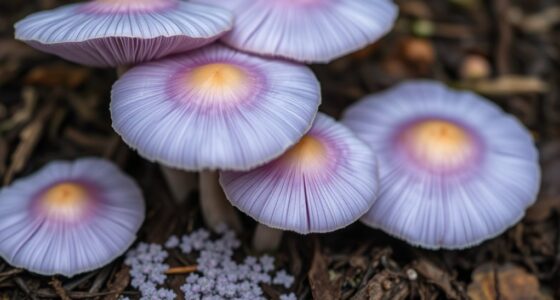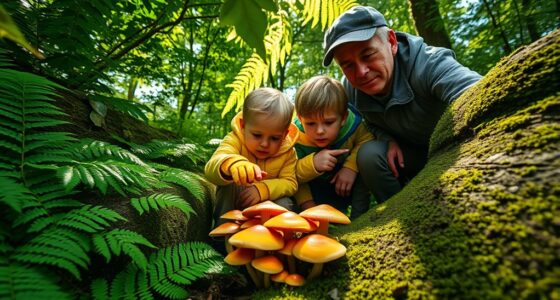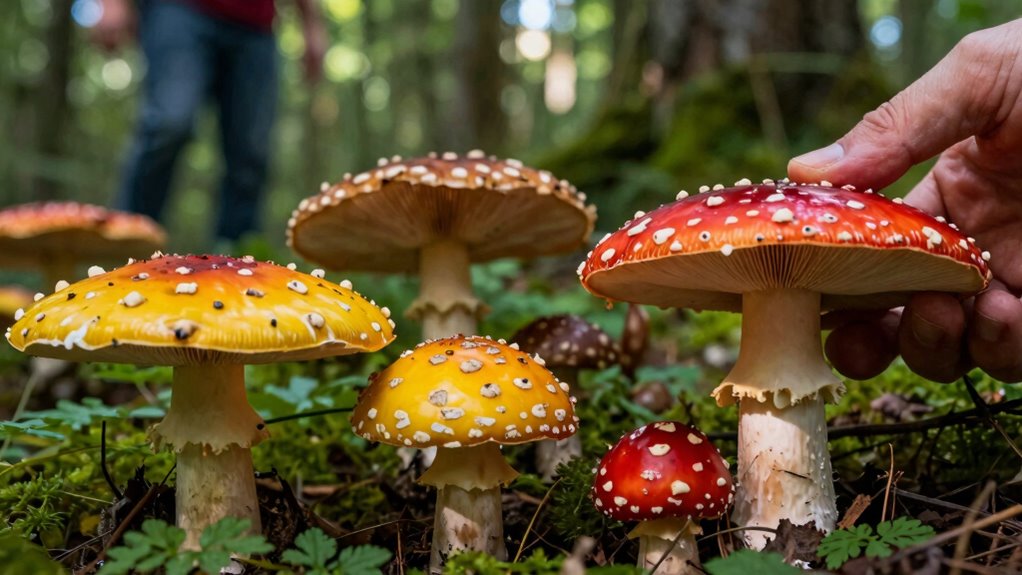
Confidence in mushroom ID comes from careful observation, solid knowledge, and verifying each detail, so you trust your identifications. Carelessness, however, happens when you rush or ignore essential features, risking dangerous mistakes. Relying on memory or previous successes can lead to overconfidence that blinds you to subtle differences. If you approach each mushroom with respect and a methodical mindset, you minimize risks. Keep exploring to learn how to boost your safe foraging skills even further.
Key Takeaways
- Confidence is based on thorough knowledge and careful observation, while carelessness skips verification steps.
- True confidence involves double-checking features; carelessness relies on assumptions or memory.
- Confidence maintains respect for identification procedures; carelessness may ignore critical details.
- Recognizing subtle signs of toxicity demonstrates cautious confidence; overlooking them indicates carelessness.
- Consistent, deliberate verification ensures safety; rushing or overconfidence increases the risk of misidentification.
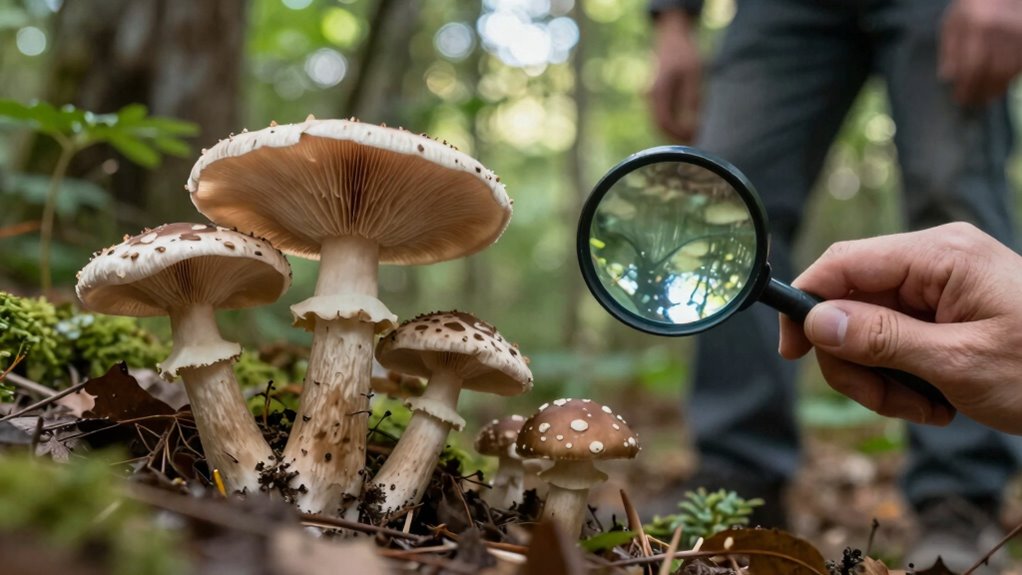
When it comes to mushroom identification, confidence can be a valuable tool, but it’s essential to distinguish it from carelessness. Rushing to label a mushroom as safe without thorough examination can lead to dangerous mistakes. Your confidence should stem from solid knowledge and careful observation, not from guesswork. Toxicity awareness is critical; understanding which features indicate poisonous varieties helps you make safer decisions. Even if you’ve identified a mushroom correctly once, it doesn’t mean every similar-looking specimen is safe. Consistently verifying each identification improves your accuracy and reduces risks.
Achieving high identification accuracy requires patience and attention to detail. You might feel confident after recognizing a few common edible mushrooms, but that confidence can quickly become a liability if you overlook subtle but vital differences. For example, many toxic mushrooms closely resemble edible ones, and a slight variation in color, gill structure, or spore print can make all the difference. You shouldn’t rely solely on memory or previous experience. Instead, double-check each feature carefully—size, shape, color, habitat, and even smell. The more precise your observations, the less likely you are to mistake a poisonous mushroom for a safe one.
It’s easy to fall into the trap of overconfidence, especially when you’ve successfully identified mushrooms before. However, carelessness often stems from this overconfidence. You might skip steps or ignore details because you believe you already know the answer. That’s a dangerous mindset. Every mushroom you pick needs to be approached with respect and a deliberate process. Always cross-reference your findings with reputable field guides or expert resources. Remember, even seasoned foragers make mistakes. When you prioritize cautious identification over speed, you minimize the chance of accidental poisoning.
Your awareness of toxicity shouldn’t just be a passive knowledge but an active part of your identification process. Recognize warning signs and features that indicate toxicity, such as color changes, unpleasant odors, or unusual textures. Maintaining a meticulous approach ensures that your confidence in your skills doesn’t slip into carelessness. Additionally, understanding the importance of toxin identification can help you recognize subtle cues that distinguish safe mushrooms from dangerous ones. Incorporating vital safety practices into your routine further reduces the risk of misidentification. Ultimately, a cautious, methodical approach enhances your identification accuracy and keeps you safe. When you respect the significance of each step and take the time to verify every detail, you create a safer, more rewarding experience in the wild.
mushroom foraging field guide
As an affiliate, we earn on qualifying purchases.
As an affiliate, we earn on qualifying purchases.
Frequently Asked Questions
How Can I Safely Start Learning Mushroom Identification?
To safely start learning mushroom identification, you should study with reputable guides and join local foraging groups to learn about foraging ethics. Always double-check if a mushroom is edible or toxic before consuming, never rely solely on photos or memory. Practice careful observation, and when in doubt, consult an expert. Keep safety your top priority, and remember that even experienced foragers sometimes make mistakes.
What Are Common Mistakes Beginners Make in Mushroom ID?
You often mistake toxic lookalikes for edible mushrooms or overlook the importance of spore print significance, leading to dangerous errors. Beginners may rush identification, ignore key features, or fail to verify with multiple sources. Always double-check your findings, especially regarding toxic lookalikes, and make spore prints a priority. Taking slow, careful steps improves safety and helps you build confidence without slipping into carelessness.
Which Tools Are Essential for Accurate Mushroom Identification?
Think of mushroom identification tools like your guiding compass. You’ll need a good knife for collecting samples, a small brush for cleaning, and a reliable spore print kit to examine spore color accurately. A hand lens helps observe details, while a field guide aids habitat assessment. Together, these tools help you distinguish safe mushrooms from dangerous ones, ensuring your identification is precise and confident, not careless.
How Does Environment Influence Mushroom Appearance?
You’ll notice that environment greatly influences mushroom appearance through habitat diversity and climate effects. Different habitats, like forests or grasslands, provide unique nutrients and moisture levels that shape mushroom size, color, and shape. Climate effects, such as temperature and humidity, also cause variations in growth and development. By observing these environmental factors, you can better understand why mushrooms look the way they do and improve your identification skills.
When Should I Seek Expert Advice in Mushroom Foraging?
You should seek expert advice whenever you encounter mushrooms that resemble toxic look-alikes or if you’re uncertain about identification. Foraging safety is essential, especially with potentially deadly varieties. Don’t rely solely on confidence; even experienced foragers double-check tricky specimens. When in doubt, consult a mycologist or mushroom foraging group. Ensuring accurate identification helps prevent poisoning and guarantees a safe, enjoyable foraging experience.

Seajan 18 Pcs Mushroom Foraging Kit with Hunting Bag, Knife Brush Guide Cards and Notebook for Mushroom Lovers(Brown)
Ideal Package to Meet Your Needs: you will receive 1 piece of mushroom reusable foraging bag, 1 piece…
As an affiliate, we earn on qualifying purchases.
As an affiliate, we earn on qualifying purchases.
Conclusion
Remember, confidence in mushroom identification is like a sturdy lighthouse guiding you through foggy waters, but carelessness is a shipwreck waiting to happen. Trust your knowledge and take the time to double-check every detail. Never let overconfidence lead you astray—it’s the thin ice beneath your feet. Stay vigilant, ask questions, and respect the mushrooms’ secrets. In this delicate dance, a cautious step keeps you safe and your foraging journey a rewarding adventure.
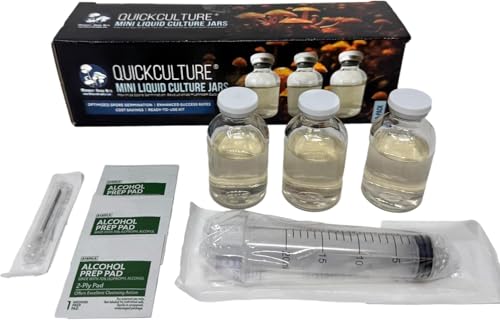
Quick Culture Mini Spore Germinating Liquid Culture Jars (3-Pack)
[Optimized Spore Germination] Achieve better germination rates and avoid the frustration of spores failing to colonize grain spawn
As an affiliate, we earn on qualifying purchases.
As an affiliate, we earn on qualifying purchases.
mushroom foraging tools
As an affiliate, we earn on qualifying purchases.
As an affiliate, we earn on qualifying purchases.