When harvesting wild medicinals, you should prioritize sustainable practices by taking only what you need and leaving enough for plants to regenerate. Avoid vulnerable or rare species and support cultivation when possible. Educate yourself about local laws and ecological roles of plants, and seek advice from experienced foragers. Respect natural habitats and understand the broader impact of your actions on ecosystems. Continuing will help you learn more about how to support conservation efforts responsibly.

Get garden gear delivered free — and shop member deals
- Fast, free delivery on millions of items
- Access to Prime Big Deal Days deals on October 6–7
- Prime Video, Amazon Music and more included
Key Takeaways
- Prioritize sustainable harvesting by taking only what is needed and leaving enough for plant regeneration.
- Avoid collecting rare, vulnerable, or protected species, and support cultivation when possible.
- Educate yourself on local laws, ecological roles, and the conservation status of medicinal plants.
- Seek advice from experienced foragers and conservation groups to ensure ethical practices.
- Recognize the ecological impact of harvesting and contribute to preserving biodiversity and natural habitats.
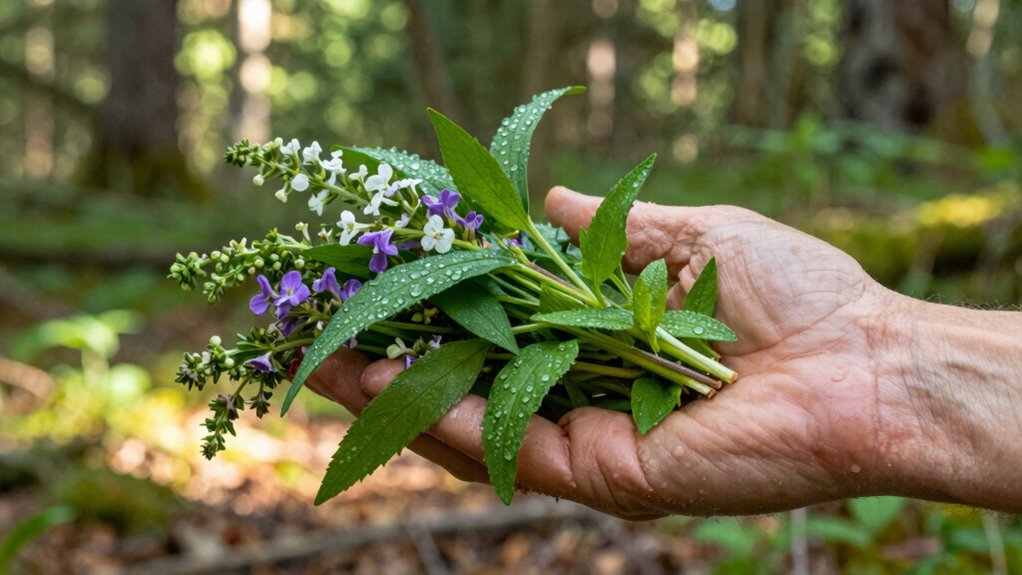
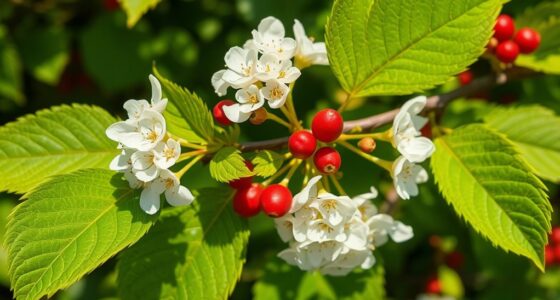
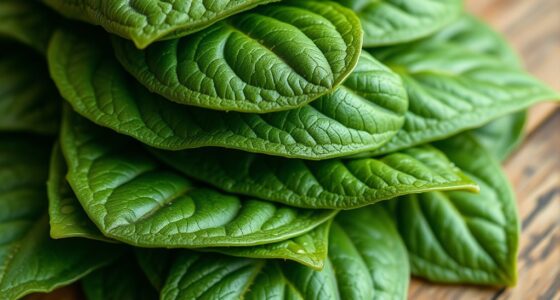
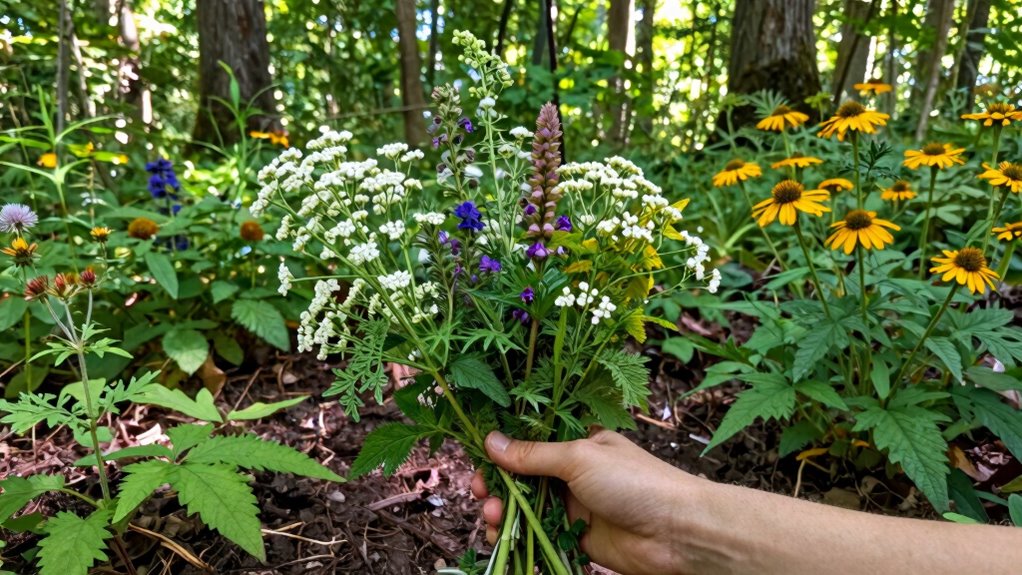
Wild medicinals can be powerful tools for healing, but it’s essential to approach them with respect and responsibility. When you gather plants from the wild, practicing sustainable harvesting becomes important. This means you should take only what you need, never strip a plant completely, and leave enough behind so the plant can regenerate. Overharvesting damages ecosystems and diminishes plant populations, which isn’t just harmful to the environment but also risks losing vital medicinal species forever. By adopting sustainable harvesting techniques, you help ensure these plants remain available for future generations and continue to thrive in their natural habitats. Understanding the importance of sourcing your wild medicinals ethically also means being aware of the health of the plant populations. If a species appears rare or vulnerable, it’s best to avoid collecting it altogether. Instead, look for cultivated sources or consider growing your own medicinal herbs at home. This reduces the pressure on wild populations and supports biodiversity. Remember, every plant you harvest has a role in its ecosystem, and removing too many can have unintended consequences, disrupting local food chains and plant diversity. You should also educate yourself about local laws and ethical foraging practices. Some areas have strict regulations to protect native plants, and ignoring these rules can lead to legal issues or ecological harm. Always prioritize plants that grow abundantly and naturally, and avoid invasive species that can upset local ecosystems. When in doubt, seek advice from experienced foragers or local conservation groups, and support sustainable and ethical foraging initiatives. Additionally, being aware of the status of plant populations helps you make informed decisions and contributes to conservation efforts. Learning about the impact of overharvesting can help you better understand the importance of responsible gathering. Recognizing that dreams of deceased loved ones or recurring themes like spiders can sometimes influence how we perceive the natural world may deepen your appreciation for dream symbolism, which plays a role in understanding personal connections to nature. Being mindful of the ecological role of plants encourages you to approach harvesting with greater respect and awareness. Incorporating local ecological knowledge can further enhance your understanding of sustainable practices. By taking these steps, you’re not just gathering medicinal plants—you’re contributing to the conservation of nature’s pharmacy and ensuring these healing resources remain available for everyone.
sustainable wild medicinal herb harvesting tools
As an affiliate, we earn on qualifying purchases.
As an affiliate, we earn on qualifying purchases.
Frequently Asked Questions
Are Wild Medicinals Legal to Harvest in All Areas?
Wild medicinals aren’t legal to harvest everywhere. You need to check local laws for any legal restrictions or harvesting regulations, as rules vary by region. Some areas protect certain plants, making harvesting illegal without permits. Always research specific regulations, respect protected lands, and obtain necessary permissions. By staying informed and following guidelines, you can responsibly enjoy wild medicinals without risking legal trouble or harming ecosystems.
How Do I Identify Safe and Toxic Wild Plants?
You identify safe and toxic wild plants through careful plant identification and toxic plant awareness. Start by observing key features like leaf shape, flowers, and stems, then compare them with reliable field guides or expert resources. Always double-check unfamiliar plants before harvesting, and remember that many toxic plants mimic safe ones. Developing this skill helps guarantee your wild plant uses are both safe and effective, preventing accidental poisoning.
What Permits or Permissions Are Needed for Wild Harvesting?
You’ll need to check local regulations before you start custom harvesting wild plants. Many areas require permits, especially if you’re collecting for commercial purposes or from protected lands. Ethical foraging means respecting property rights and plant populations, so always seek permission from landowners or authorities. Think of it as leaving no stone unturned—ensure you have the proper permissions to forage responsibly and sustainably.
How Can I Ensure Sustainable Harvesting Practices?
You can guarantee sustainable harvesting by practicing ethical foraging and adopting conservation strategies. Always harvest only what you need, leaving enough for the plant to regenerate. Identify and avoid overharvesting rare or vulnerable species. Stay informed about local regulations and seasonal best practices. By respecting the ecosystem, you help preserve wild medicinals for future generations, securing their availability and health for the environment and community alike.
What Are the Risks of Misidentifying Medicinal Plants?
Misidentifying medicinal plants can be risky because it might lead you to ingest toxic plants, risking poisoning or adverse reactions. Poor identification skills increase this danger, as similar-looking plants may vary in toxicity. To stay safe, learn to recognize plants accurately through reliable guides, workshops, or expert advice. Always double-check your identification before harvesting or using any wild plants for medicinal purposes.
Conclusion
Remember, responsibly foraging wild medicinals isn’t just about safety; it’s about respecting nature. Did you know that over 80% of the world’s population relies on wild plants for medicine and nutrition? By learning sustainable harvesting techniques and respecting local ecosystems, you help guarantee these resources stay available for generations. Stay informed, be cautious, and always prioritize conservation. Your mindful approach can make a real difference in preserving both the plants and the communities that depend on them.
Halloween Picks
halloween
As an affiliate, we earn on qualifying purchases.