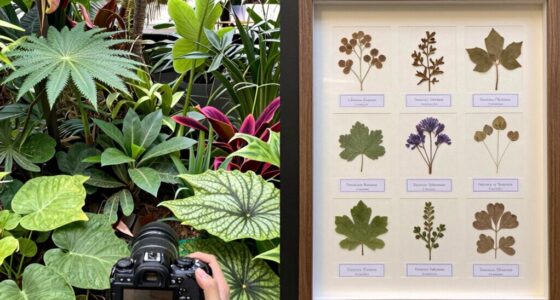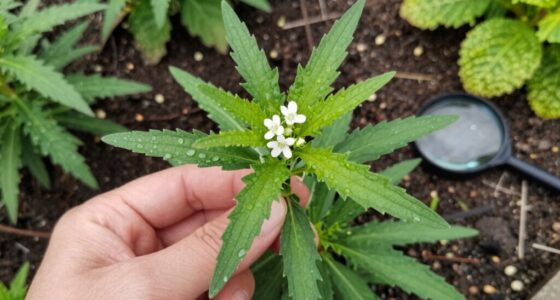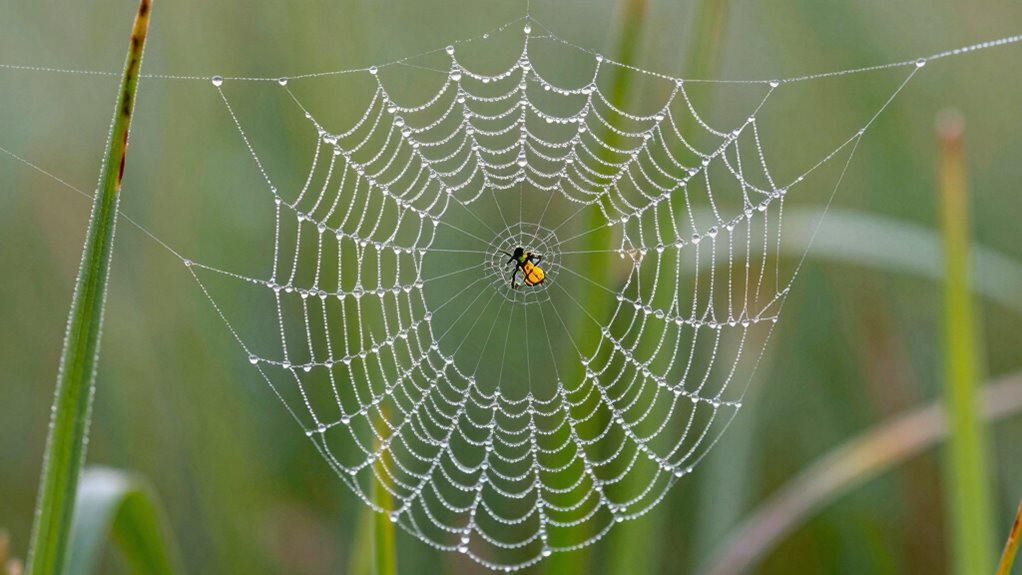

Macro photography sharpens your ability to spot tiny details that are vital for identification. By focusing closely on textures, patterns, and features, you train your eyes to notice subtle differences often missed by the naked eye. Using specialized gear and lighting techniques reveals surface markings, vein structures, or hairs that differentiate similar objects or species. As you practice, your skills for observing and recognizing minute features improve. Keep exploring, and you’ll discover even more ways this skill enhances your identification accuracy.
Key Takeaways
- Macro photography reveals fine details and textures essential for accurate identification of small subjects.
- Using specialized lighting techniques highlights subtle features like vein patterns and surface markings.
- The process enhances careful observation skills by encouraging close examination of minute characteristics.
- Developing technical familiarity with gear improves image clarity, aiding in distinguishing similar-looking objects.
- Consistent practice with macro imaging sharpens overall visual perception and confidence in field identification.
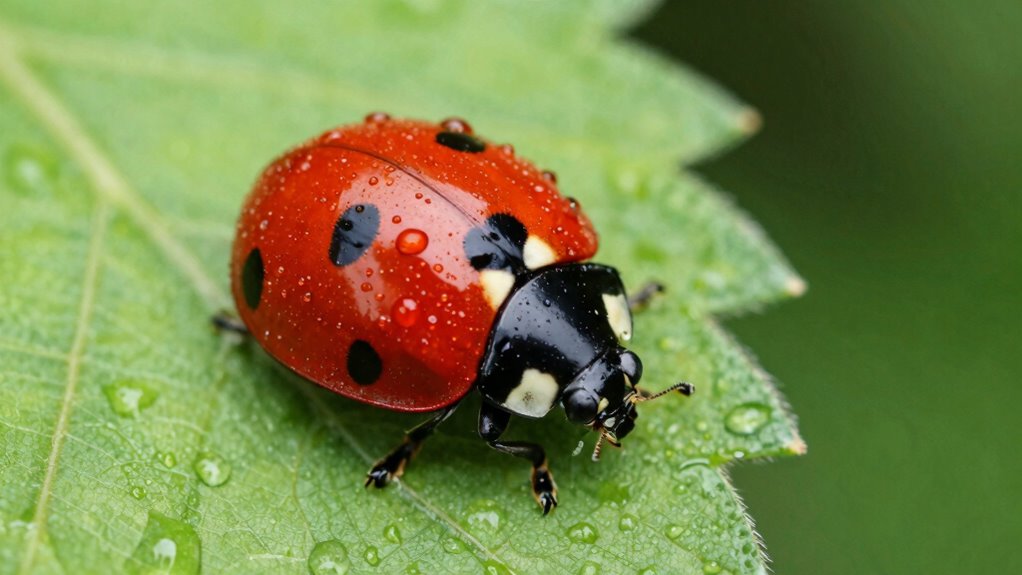
Macro photography opens up a world of intricate details and tiny wonders that often go unnoticed, but capturing these moments requires more than just a good camera. To truly reveal the fine textures and subtle features of small subjects, you need the right camera gear—macro lenses, extension tubes, and sturdy tripods. These tools help you get close enough to your subject without losing sharpness, allowing you to see things the naked eye might miss. But gear alone isn’t enough; lighting techniques play an essential role in making details pop. Using diffused natural light or employing reflectors can soften shadows and highlight textures, while artificial lighting like ring flashes or LED panels helps you control brightness and contrast, ensuring every tiny feature is visible.
Mastering macro photography reveals tiny details through proper gear and lighting techniques, sharpening your observation and identification skills.
When you explore macro photography, you’re training yourself to observe carefully. Every shot becomes a puzzle of patterns, colors, and textures. This heightened attention to detail gradually improves your ability to identify objects, whether you’re photographing insects, plants, or small artifacts. As you experiment with different camera gear setups, you learn how each piece influences the final image. For example, a macro lens with a high magnification ratio captures minute features, making it easier to discern specific characteristics that differentiate one species from another. This technical familiarity sharpens your observational skills, enabling you to notice subtle differences that might otherwise go unnoticed. Developing observation skills through macro photography can significantly enhance your overall ability to identify small, intricate details in various contexts.
Lighting techniques further enhance your ability to pick out identifying features. Proper lighting reveals surface textures, colors, and minute markings essential for accurate identification. By adjusting light angles and intensities, you learn to bring out specific details, such as the vein patterns on a leaf or the tiny hairs on an insect’s body. Over time, this knowledge translates beyond photography, helping you identify subjects in real life with greater confidence. Your eye becomes trained to spot distinctive markings and subtle variations, making field identification more precise. Additionally, understanding how different lighting angles affect the appearance of textures can help you develop a visual perception, which is crucial for accurate recognition in natural settings. Incorporating specialized lighting equipment can further improve your ability to distinguish minute features, especially in challenging conditions. Recognizing tiny details under different lighting conditions enhances your overall field identification skills.

APEXEL Professional Macro Photography Lens for Smartphone, Macro Lenses for iPhone, Samsung, Galaxy, Oneplus, Android Phone(Fits for Almost All Phone), Cell Phone Lens Attachment for iPhone
【PROFESSIONAL OPTICAL LENS】The macro lens is made of 5 pcs quality glass lens instead of a cheap resinous…
As an affiliate, we earn on qualifying purchases.
As an affiliate, we earn on qualifying purchases.
Frequently Asked Questions
How Does Macro Photography Influence Overall Observation Skills?
Macro photography sharpens your overall observation skills by compelling you to focus on close-up details that often go unnoticed. As you zoom in on tiny features, your visual attention improves, making you more aware of subtle differences and textures. This heightened awareness transfers to everyday situations, helping you notice important details quickly. By practicing macro photography, you train your eyes to see the world more clearly and attentively.
Can Macro Photography Help Identify Species in Low-Light Conditions?
Yes, macro photography can help you identify species in low-light conditions. By adjusting camera settings like ISO, aperture, and shutter speed, you enhance low light adaptation, capturing clear, detailed images. Using a tripod stabilizes your shot, reducing blur. With patience and practice, you can reveal intricate features that aid in species identification, even when lighting is poor, making macro photography a valuable tool for exploring and understanding elusive or nocturnal creatures.
What Equipment Is Essential for Effective Macro Photography?
Did you know macro photographers often use up to 20 specialized camera accessories? For effective macro photography, you need a sturdy macro lens and a tripod for stability. Vital camera accessories include extension tubes and diffusers for close-up shots. Lighting techniques are essential; use ring lights or diffusers to eliminate shadows and enhance detail. Proper equipment guarantees sharp, detailed images, making it easier to identify tiny subjects accurately.
Does Macro Photography Require Advanced Technical Knowledge?
No, macro photography doesn’t require advanced technical knowledge, but understanding manual focusing and aperture control helps. You’ll need to learn how to adjust focus precisely to capture tiny details clearly. Controlling your aperture allows you to manage depth of field, making subjects stand out. With practice, these skills become intuitive, enabling you to take stunning close-up shots that enhance your identification abilities.
How Long Does It Typically Take to Master Macro Photography Techniques?
Mastering macro photography techniques usually takes a bit of patience, often a few months of consistent practice. You’ll find that techniques like focus stacking and light diffusion become more intuitive over time. By dedicating yourself to experimenting with different settings and methods, you’ll steadily enhance your skills. Remember, patience and persistence are your best friends—soon, capturing stunning, detailed images will feel like second nature.

SmallRig RM 03 Macro Photography LED Light – 2 Pack, Adjustable Beam Angle, 5 Colors CRI95 TLCI92, Bendy Light with Cold Shoe Extension Bar, Clamp, Diffuser, Spotlight, Barndoor, Gobos, Stake – 5796
Adjustable Beam Angle for Precision Shooting: With a high-strength, fatigue-resistant inner metal spring, easy to bend for flexible…
As an affiliate, we earn on qualifying purchases.
As an affiliate, we earn on qualifying purchases.
Conclusion
By diving into macro photography, you turn your world into a treasure map of tiny details waiting to be uncovered. As you zoom in on the smallest subjects, your eye for identification sharpens like a blade, cutting through confusion to reveal clarity. It’s like opening a secret garden of intricate wonders, each shot sharpening your skills and fueling your curiosity. Embrace the close-up adventure, and watch your ability to identify and understand nature bloom like a vibrant flower.

VILTROX DG-C Auto Focus Macro Extension Tube Set Compatible with Canon EF EF-S Lens DSLR Camera 2000D 1300D 800D 600D 400D 200D 90D 70D 50D 30D 10D 7D 6D 5D T7 T6 T5 T4i SL3(12mm 20mm 36mm)
COMPATIBILITY: Designed for Canon EF and EF-S mount lenses, works with various Canon DSLR camera models including 2000D,…
As an affiliate, we earn on qualifying purchases.
As an affiliate, we earn on qualifying purchases.

K&F Concept 76 inch Camera Tripod with Rotatable Multi-Angle Center Column,Lightweight Travel Outdoor DSLR Tripods with 360 Degree Ball Head Load Capacity 8kg/17.6lbs, Cellphone Clips for Smartphone
Removable Extension Boom Arm: It can move from 0 to 180 degrees, can be rotated 360°horizontally, to realize…
As an affiliate, we earn on qualifying purchases.
As an affiliate, we earn on qualifying purchases.