
HEPA filtration helps keep your indoor cultivation space cleaner and healthier by trapping airborne spores and particles as small as 0.3 microns, reducing the risk of plant infections and mold. It prevents contaminants from settling on your plants, soil, and surfaces, supporting better growth and yield. Although it doesn’t eliminate odors alone, pairing it with activated carbon filters keeps your environment discreet and fresh. Keep going to discover more tips for optimizing your grow space.
Key Takeaways
- HEPA filters trap airborne spores, reducing disease risk and promoting healthier plant growth.
- They prevent dust, pollen, and contaminants from settling on plants and surfaces, ensuring a cleaner environment.
- HEPA filtration combined with activated carbon controls odors, maintaining a discreet cultivation space.
- Proper filtration supports consistent climate control, optimizing humidity and temperature for plant health.
- Using HEPA filters helps meet safety standards and lowers operational costs through efficient air cleaning.
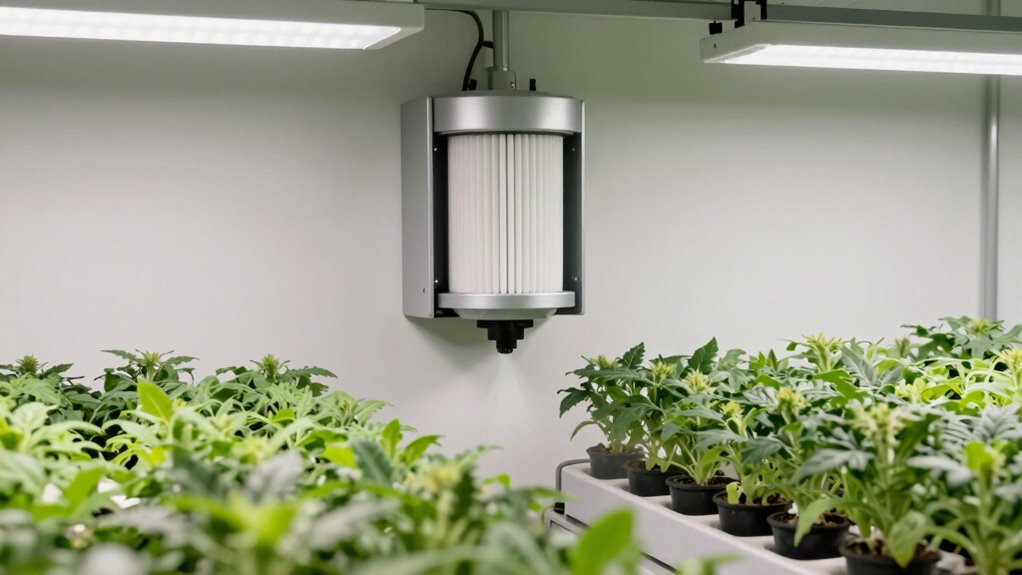
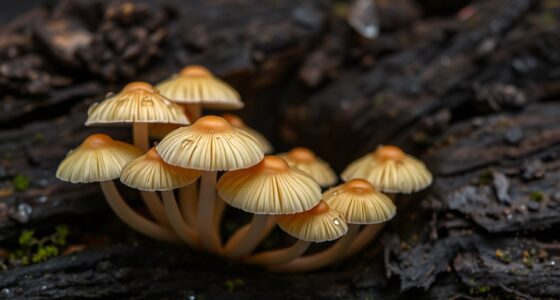
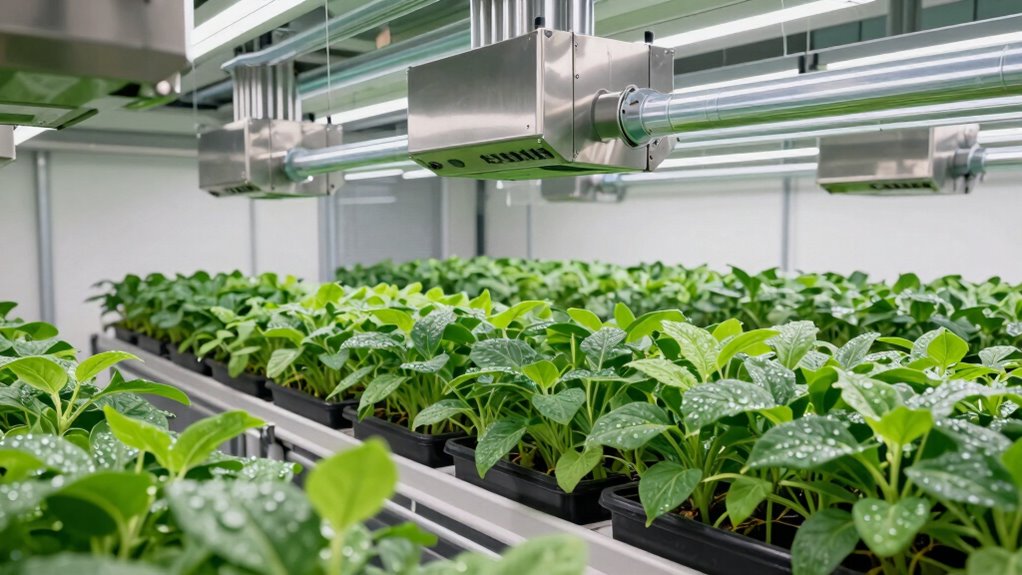
Indoor cultivation environments demand strict control over contaminants, and HEPA filtration is vital in achieving that. When you’re growing plants or delicate crops indoors, airborne spores can easily infiltrate your space, potentially causing diseases or mold that threaten your entire operation. HEPA filters are designed to trap these tiny particles, typically as small as 0.3 microns, including airborne spores that could otherwise settle on your plants or soil, spreading infections or impairing growth. By regularly filtering the air, HEPA systems considerably reduce the presence of these spores, maintaining a healthier environment for your cultivation. Additionally, filtration efficiency plays a crucial role in ensuring the system effectively captures the smallest particles, further safeguarding your crop health. High-quality filtration systems often incorporate advanced materials and design features to maximize particle removal and ensure consistent performance over time.
HEPA filters trap airborne spores, reducing disease risk and promoting healthier indoor cultivation environments.
Odor control is another critical factor in indoor growing spaces, especially if you’re cultivating aromatic plants or commercial crops where smell can become a concern. HEPA filtration alone doesn’t eliminate odors, but when combined with activated carbon filters, it creates an effective barrier against unwanted smells. This combination ensures that your indoor space stays fresh and odor-free, which is especially important if you’re growing in shared or sensitive environments. You won’t have to worry about lingering scents drawing attention or upsetting neighbors, and it helps maintain a more professional and discreet operation.
Using HEPA filtration also helps you maintain a cleaner environment overall. Dust, pollen, and other airborne particles are constantly circulating in any indoor space, and without proper filtration, they settle on surfaces, equipment, and plants. This buildup can foster mold growth, attract pests, or introduce contaminants that compromise your crop quality. Investing in a high-quality HEPA filtration system ensures you’re continuously removing these particles from the air, creating a protective barrier that promotes healthy plant development and reduces the need for frequent cleaning or pest control measures. Incorporating air filtration systems can also contribute to a more sustainable and energy-efficient operation by reducing the workload on climate control equipment. Moreover, selecting a filtration system with appropriate energy-efficient features can help lower operational costs over time. An effective system can also help in maintaining optimal humidity levels, which are crucial for healthy plant growth and preventing issues like mold or mildew.
Furthermore, HEPA filters contribute to a more controlled climate within your grow space. By maintaining cleaner air, you reduce the risk of introducing external contaminants that could upset the delicate balance of humidity and temperature you’re trying to maintain. This leads to more consistent growth cycles, better yields, and a higher quality product. Plus, with an effective filtration system in place, you’ll find it easier to comply with health and safety standards, especially in commercial or regulated environments. Proper air quality management is essential for the success and safety of indoor cultivation.
In short, HEPA filtration is a cornerstone of professional indoor cultivation. It actively traps airborne spores, profoundly reducing the risk of disease, and, with proper odor control measures, keeps your space smelling clean and fresh. It also sustains a cleaner environment overall, enabling you to grow healthier plants while maintaining control over your indoor climate. When you prioritize HEPA filtration, you’re investing in a safer, more efficient, and more discreet cultivation operation.

Purivortex Air Purifiers for Bedroom, Quiet Air Purifier with HEPA Filter for Pollen, Smoke, Dust, Pet Dander, Odor, Hair, Ozone Free, Covers Up to 880 Sq Ft, PX500 Black
- Covers Up to 880 Sq Ft: Purifies large rooms quickly
- Fast Air Purification: Fresher air in 15 minutes
- 99.97% Pollutant Removal: Effective HEPA filtration system
As an affiliate, we earn on qualifying purchases.
As an affiliate, we earn on qualifying purchases.
Frequently Asked Questions
How Often Should HEPA Filters Be Replaced in Cultivation Spaces?
You should replace HEPA filters every 6 to 12 months, depending on usage and air quality testing results. Regular filter maintenance helps guarantee peak air quality and system efficiency. Keep an eye on signs like reduced airflow or increased odors, which indicate it’s time for a change. Conduct periodic air quality testing to confirm your filtration system works effectively, and change filters promptly to maintain a healthy, controlled cultivation environment.
Can HEPA Filters Remove Odors From Indoor Cultivation Environments?
You might be surprised, but HEPA filters alone don’t effectively remove odors from indoor cultivation environments because they target particles, not gases. For odor control, you need activated carbon filters or other air purification systems designed for gas absorption. Combining HEPA filtration with odor-neutralizing methods guarantees cleaner air and better odor management, helping you maintain a discreet and healthy cultivation space.
What Is the Cost Difference Between HEPA Filters and Other Filtration Systems?
You’ll find that HEPA filters tend to cost more upfront compared to other filtration systems like activated carbon or basic fans. While HEPA filters meet strict air quality standards, they require regular filtration maintenance, which adds to ongoing costs. Cheaper options might save money initially but can fall short on filtration efficiency. Ultimately, investing in HEPA filters guarantees cleaner air, though it’s essential to weigh both upfront costs and long-term maintenance expenses.
Are HEPA Filters Effective Against All Types of Airborne Contaminants?
Are HEPA filters truly effective against all airborne contaminants? They excel at trapping airborne pathogens and dust particles, making them ideal for maintaining cleaner indoor environments. However, they don’t remove gases, odors, or volatile organic compounds. So, if your space needs thorough air purification, you might need additional filtration systems. HEPA filters are fantastic for many airborne contaminants, but understanding their limitations helps you make better choices for your indoor air quality.
How Does Humidity Affect HEPA Filter Performance Indoors?
Humidity levels directly impact your HEPA filter’s performance indoors. High humidity can cause moisture to accumulate on the filter, reducing its efficiency and promoting mold growth. To keep it functioning at its best, you should practice humidity control and regularly check and replace your filter. Proper maintenance ensures the HEPA filter stays effective against airborne contaminants, maintaining a cleaner, healthier environment for your indoor cultivation space.
Conclusion
By now, you see how essential HEPA filtration is for maintaining a pristine indoor cultivation space. It’s your shield against unwanted particles, pests, and mold, ensuring your plants thrive and your environment stays safe. Just like the old-timers relied on their trusty filters to keep their farms clean, you can trust modern HEPA systems to protect your crop and your peace of mind. Embrace this technology, and let your garden flourish in a bubble of purity.