
TL;DR

Get garden gear delivered free with Prime
- Fast, free delivery on millions of items
- Prime Video, Amazon Music and more included
- Member-only deals all year
Gardeners are advised to prune eight tired perennials before the end of August. Doing so can promote a second flowering and healthier plants. This seasonal task is recommended by horticulture experts to maximize late-season blooms.
Gardeners looking to extend the flowering season are advised to prune eight specific perennials before the end of August. This practice, according to horticulture experts, can stimulate a second bloom and improve overall plant health, providing a boost to late-season gardens.
Research and expert advice suggest that pruning certain tired perennials now can lead to a second round of flowering later in the season. The eight perennials identified for this treatment include coreopsis, coneflowers, black-eyed Susans, asters, sedum, yarrow, bee balm, and Russian sage. These plants often produce a single flush of blooms, but proper deadheading and cutting back can encourage reblooming and help maintain plant vigor. The timing is critical; pruning should be completed before the last week of August to give plants enough time to recover and produce new flowers. Gardeners are advised to use clean, sharp tools and to remove only the spent flower stalks or the top growth, depending on the plant’s needs.Why Pruning These Perennials Before August Matters
Pruning these eight perennials before the end of August can significantly extend the visual appeal of gardens by encouraging a second flowering cycle. This practice not only enhances garden aesthetics but also supports plant health by removing spent growth that can harbor pests or diseases. Additionally, encouraging reblooming maximizes the value of perennial plantings, providing more flowers with less effort. For gardeners aiming for vibrant, long-lasting gardens, this seasonal task offers a straightforward way to improve results and enjoy more blooms into the fall.
As an affiliate, we earn on qualifying purchases.
Seasonal Gardening Tips for Late Summer Blooming
As summer wanes, many gardeners seek ways to prolong the beauty of their gardens. Perennials like coneflowers, yarrow, and sedum are popular choices for late-season interest, but they often produce only a single flush of blooms. Experts recommend deadheading and cutting back these plants in late summer to stimulate a second bloom. This method is especially effective if done before the plants set seed or go into dormancy. The practice aligns with general late-summer gardening advice, which emphasizes maintenance tasks that promote healthy growth and extended flowering periods.
Unclear Which Perennials Respond Best to Pruning
While experts agree that pruning certain perennials can promote reblooming, it is not yet clear whether all varieties within these species respond equally well. Some plants may require different pruning techniques or timing adjustments based on local climate or specific garden conditions. Additionally, the extent of reblooming can vary, and not all plants may produce a second flush if conditions are not optimal. More research is needed to determine the precise pruning methods for different cultivars and environments.
Next Steps for Gardeners Planning Late-Season Pruning
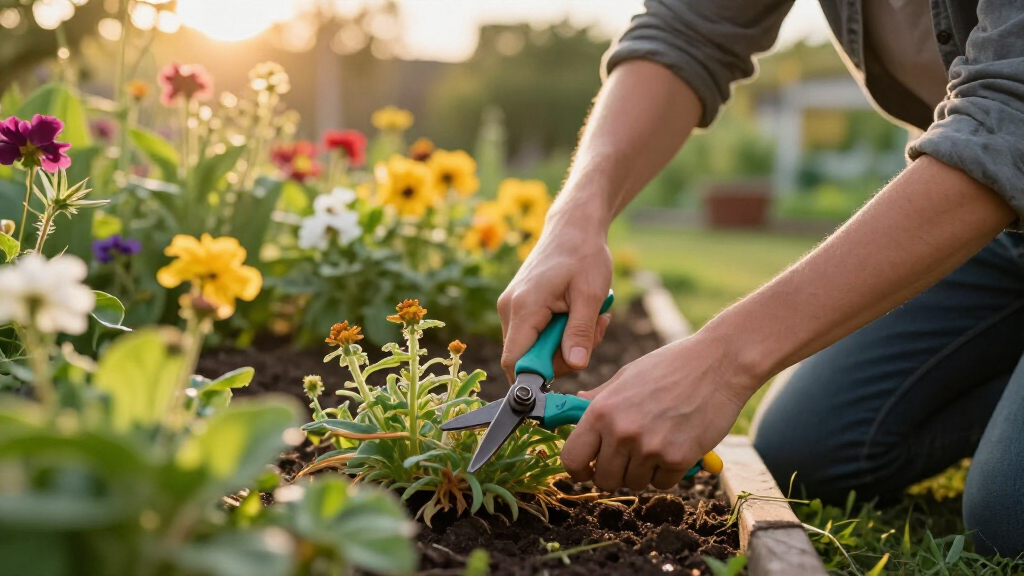
Gardeners should identify the specific perennials in their gardens that are due for pruning and plan to do so before the last week of August. Using clean, sharp tools and removing only the spent flower stalks or top growth will help ensure healthy recovery. After pruning, regular watering and fertilizing can support new growth. Garden centers and local extension services may provide additional guidance tailored to regional conditions. Observing how plants respond this season can inform future pruning practices.
Key Questions
Which perennials should I prune for a second bloom?
The recommended plants include coreopsis, coneflowers, black-eyed Susans, asters, sedum, yarrow, bee balm, and Russian sage.
When is the best time to prune these plants?
Pruning should be completed before the end of August, ideally in the last two weeks, to allow plants to recover and rebloom in the fall.
How should I prune these perennials?
Use clean, sharp tools to remove spent flower stalks or cut back top growth, depending on the plant’s needs. Avoid cutting into healthy wood or stems.
Will all perennials respond equally to pruning?
No, response can vary based on species, cultivar, and local growing conditions. Some may rebloom more reliably than others.
Does pruning help with plant health besides encouraging blooms?
Yes, removing spent growth can reduce pest and disease issues and improve overall plant vigor.
Source: rss
Columbus Day / Indigenous Peoples' Day Picks
long weekend sales
As an affiliate, we earn on qualifying purchases.