
TL;DR

Get garden gear delivered free — and shop member deals
- Fast, free delivery on millions of items
- Access to Prime Big Deal Days deals on October 6–7
- Prime Video, Amazon Music and more included
An Ideal Home gardening report recommends sowing poppies, cornflowers, ox-eye daisies, aquilegia and sweet peas in October for earlier flowers next year. Expert advice stresses choosing suitable conditions and, for sweet peas, keeping young plants in a sheltered place over winter.
An Ideal Home gardening report has recommended sowing poppies, cornflowers, ox-eye daisies, aquilegia and sweet peas in October, saying autumn planting can help some flowers establish before winter and bloom earlier the following year. The advice is aimed at gardeners planning colour for spring and summer, though results depend on local conditions and the varieties chosen.
Julian Palphramand, head of plants at British Garden Centres, told Ideal Home that October is the “last real chance” to sow hardy annuals and biennials for overwintering and early flowers. The report says poppies can be sown directly outdoors or started in modules. Palphramand said autumn-sown poppies can survive winter and bloom earlier, and often more strongly, than spring sowings.
Cornflowers can also be direct-sown, provided gardeners select varieties suited to autumn sowing and avoid working waterlogged soil. Lance Russell, a horticultural expert at Thompson & Morgan, said suitable autumn conditions can give hardy annuals a head start. The report describes cornflowers as attractive to pollinators and notes that they can self-seed.
For ox-eye daisies, gardening and greenhouse expert Lucie Bradley of Harvst Automatic Watering advised choosing a sunny or partly shaded spot with free-draining soil. She said the seeds need light to germinate, so they should be scattered on the surface and pressed gently into the soil rather than buried. Bradley also recommends watering carefully to avoid washing seeds away.
Aquilegia, also known as columbine or granny’s bonnet, is often self-seeding. Bradley told the publication that October suits direct sowing because the seeds need a period of cold, described as stratification, to break dormancy. Sweet peas can be sown now too, but Will Williamson of Squire’s Garden Centres advises overwintering them in a sheltered place such as an unheated greenhouse or cold frame.
October Sowing Sets Up Spring Flowers
The advice offers gardeners a way to spread planting work into autumn and potentially bring forward some of next year’s flowering. Autumn sowing gives selected plants time to establish before spring, while direct sowing can avoid the need to raise every variety indoors. It is not a guarantee of earlier or fuller blooms: weather, soil drainage, seed variety and care all affect germination and flowering.
The recommendations also give readers distinct approaches rather than one method for every seed. Poppies and cornflowers can be sown outdoors in suitable conditions, ox-eye daisy seeds should remain exposed to light, aquilegia benefits from cold exposure, and sweet peas need a sheltered winter position. Following those differences matters more than simply scattering all five kinds of seed in the same way.
For gardeners with limited space, the sweet-pea advice allows for a cold frame instead of a greenhouse, according to the report. Those who cannot provide sheltered protection may need to adapt the approach to their local climate or wait until conditions suit their area.
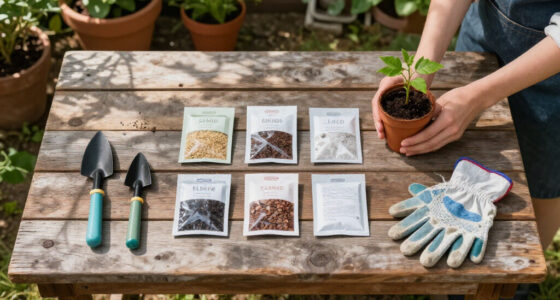
flower seed packets for October sowing
As an affiliate, we earn on qualifying purchases.
As an affiliate, we earn on qualifying purchases.
How the Five Seeds Differ
The report is seasonal gardening guidance, not a record of a trial comparing germination rates or flowering dates. Its recommendations come from named horticultural experts quoted by Ideal Home. The article does not provide controlled results, regional planting calendars or a single sowing date that applies across all climates.
Among the flowers listed, poppies and cornflowers are described as hardy annuals; ox-eye daisies are presented as low-maintenance plants suited to free-draining soil; and aquilegia is noted for self-seeding and the cold period its seeds require. Sweet peas have separate overwintering advice: sow them in autumn, then keep them somewhere sheltered until spring. These distinctions explain why the report pairs each flower with specific sowing or care instructions.
Ideal Home also lists seed products and prices, but those are retailer examples in the original report, not independent assessments of value or availability. Prices and stock can change, and gardeners can choose other varieties suited to autumn sowing.
“October is your last real chance to sow hardy annuals and biennials, so they overwinter and flower early next year.”
— Julian Palphramand, head of plants at British Garden Centres, quoted by Ideal Home
Local Conditions Shape Germination
The report does not specify a geographic planting zone or give a region-by-region calendar, so the advice may not fit every climate. It also gives no measured germination rates, flowering dates or comparison between autumn and spring sowing; the expectation of earlier blooms comes from the experts quoted, not from trial data presented in the article.
How seeds perform will depend on factors including weather, soil drainage, exposure and the variety selected. The report does not say how many plants will establish from each sowing, and it cannot confirm that every seed will flower next spring or summer. Gardeners should check seed-packet directions for their chosen varieties and adapt sowing to local conditions.
Monitor Seeds Through Winter
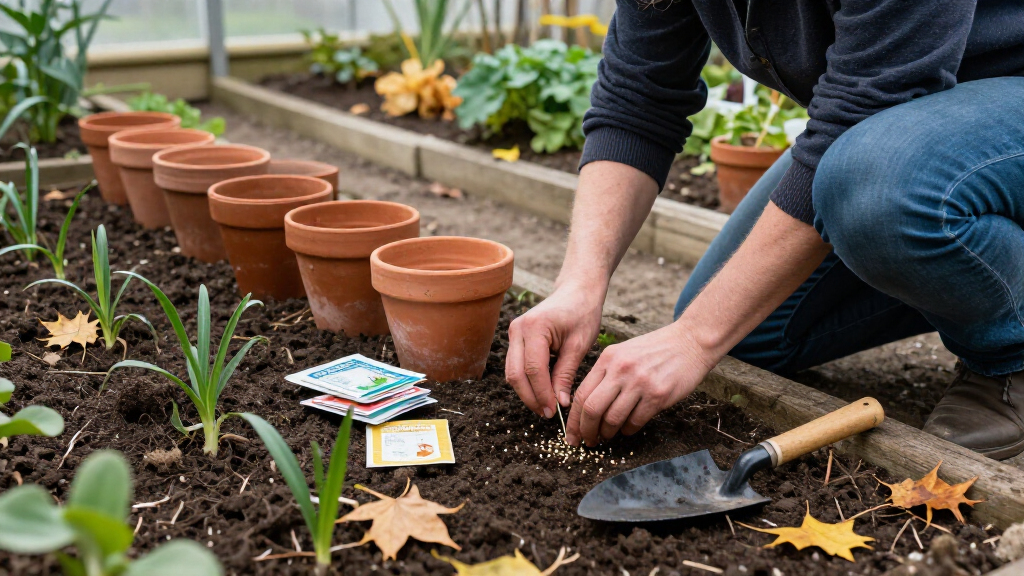
Gardeners following the advice can begin by checking seed packets for autumn suitability, then preparing weed-free, well-drained ground where direct sowing is recommended. Ox-eye daisy seeds should be pressed onto the surface rather than covered, while sweet peas should be moved to a sheltered, unheated greenhouse or cold frame for winter, as advised by Williamson.
After sowing, the next step is to watch how seedlings establish through the colder months and respond to local weather. Flowering will become clearer next spring and summer; the source does not give a more precise schedule or promise a particular display.
Key Questions
Which flowers does the report recommend sowing in October?
It names poppies, cornflowers, ox-eye daisies, aquilegia and sweet peas as options for autumn sowing.
Can these seeds all be sown directly outdoors?
Not necessarily. The report says poppies and cornflowers can be sown outdoors, and aquilegia can be sown directly in the ground. For ox-eye daisies, it advises scattering seeds on the soil surface. Sweet peas can be sown in autumn but should then be overwintered in a sheltered place.
Why sow aquilegia in October?
Expert Lucie Bradley told Ideal Home that aquilegia seeds need a cold period, known as stratification, to break dormancy.
Do October sowings guarantee flowers next spring?
No. The report says autumn sowing can support earlier flowering for some varieties, but it provides no guarantee or measured flowering timeline. Weather, soil and variety can affect the outcome.
Where should autumn-sown sweet peas spend the winter?
Will Williamson recommends a sheltered location, such as an unheated greenhouse or cold frame. The report does not provide region-specific alternatives for gardeners without either option.
Source: rss
Fall yard work Picks
leaf blowers
As an affiliate, we earn on qualifying purchases.