TL;DR

Get garden gear delivered free with Prime
- Fast, free delivery on millions of items
- Prime Video, Amazon Music and more included
- Member-only deals all year
A Country Living report advises bringing most tropical houseplants indoors when nighttime temperatures begin falling into the 40s, or earlier if frost is forecast. Inspect and rinse plants, treat visible pests, quarantine them for three to four weeks, and reduce watering as indoor light and winter growth decline.
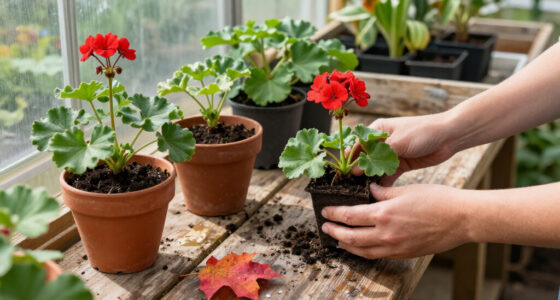
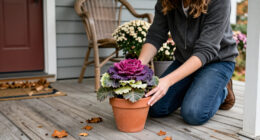
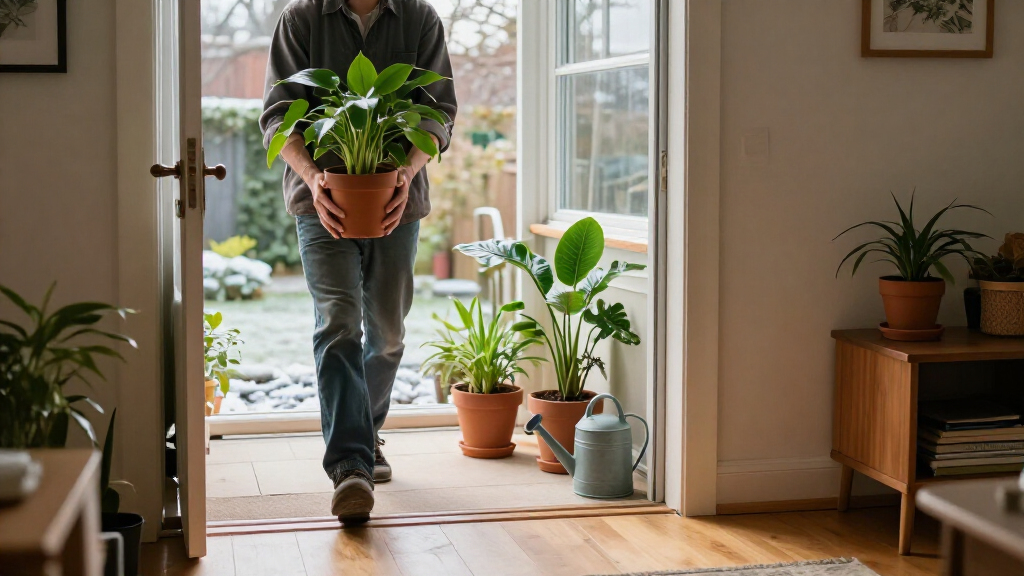
Houseplants that spent summer outdoors should come inside when nighttime temperatures begin dropping into the 40s, according to a Country Living report on winter plant care. The advice matters because many common houseplants are tropical and can be damaged by cold, while bringing outdoor pots indoors without inspection can introduce pests to plants already inside.
The report says some plants are sensitive even to temperatures in the 50s, so gardeners should check local forecasts and bring plants in before a frost or freeze. It recommends first deciding which plants are healthy and which can realistically be accommodated: indoor light is usually much weaker than outdoor light, even in a shaded garden spot. East-, west- or south-facing windows are generally preferable; north-facing windows may not supply enough winter light.
Before moving pots, inspect leaf undersides and stems for signs such as white mealybugs, spider-mite webbing, scale bumps or sticky honeydew. Rinse foliage with a hose, and treat clear infestations before bringing plants inside. The report says treatments may need to be repeated after seven to 10 days, depending on the pest. If using insecticidal soap or neem oil, follow the product label; the report cautions that some plants may be sensitive to these products.
After moving plants in, keep them separate from other houseplants for at least three to four weeks and inspect them weekly or every 10 days for pests. Water less often than outdoors, checking the soil before watering, and usually hold fertilizer because many plants grow more slowly in winter. Plants under LED grow lights may continue growing and could be an exception.
Cold Nights Put Tender Plants at Risk
Moving plants indoors is not just a matter of avoiding a forecast freeze. Cold-sensitive tropical plants may be harmed as nighttime temperatures fall, and the timing can vary by species. Bringing them in before a cold snap gives gardeners a chance to check each plant rather than responding after exposure.
The move also changes the growing conditions. Indoor light is lower, air in heated homes can dry pots more quickly, and plants often slow their growth. Those shifts can cause yellowing leaves and leaf drop or make outdoor watering habits unsuitable. A gradual check of light and soil helps gardeners respond to the new conditions instead of continuing a summer routine.
Pest checks matter beyond the individual pot: insects that have been unnoticed outdoors can spread to a household collection. Inspection and quarantine give gardeners time to spot an infestation before placing returning plants alongside indoor ones.
indoor houseplant pest treatment products
As an affiliate, we earn on qualifying purchases.
As an affiliate, we earn on qualifying purchases.
The Summer-to-Winter Move
The Country Living report addresses plants that were placed outdoors during warm weather to benefit from more light and warmth. As the season cools, the change in temperature and daylight prompts a reverse move. The report focuses on common tropical houseplants, including snake plants, money trees and cast-iron plants, while noting that needs differ among species.
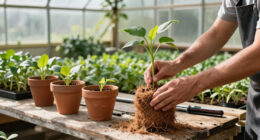
It also advises being selective. A struggling plant may not recover simply by coming indoors, while an oversized or leggy plant may be cut back or propagated from a cutting. For tropical hibiscus or mandevilla, the report suggests that pruning by about one-quarter to one-third may help reduce size and ease adjustment to lower light. A plant that is root-bound may need a pot roughly two inches wider and fresh potting medium.
Plant Needs Vary by Species
The report gives a general temperature cue, not a precise threshold for every plant. Cold tolerance varies by species, and it does not provide a complete plant-by-plant temperature chart. Gardeners may need to check reliable care guidance for a particular plant, especially if it is unusually sensitive or valuable.
Indoor conditions also differ from home to home. Window direction alone does not establish how much usable light a plant receives, and the report does not specify a universal watering schedule. Pest treatment depends on the pest and the plant; the report warns that some plants may be damaged by insecticidal soap or neem oil. Local forecasts and plant-specific care remain important.
Check Forecasts and Plants Weekly
As nights cool, check the forecast and move vulnerable plants inside before temperatures reach their tolerance limits or frost is expected. Before setting them among indoor plants, inspect, rinse and quarantine them, then monitor for pests through the next three to four weeks.
Once plants are indoors, reassess light and soil regularly. Water only when the plant needs it, based on a soil check, and generally pause fertilizer while growth is slow. If a prized plant struggles in a dim location, the report suggests considering an LED grow light; plants receiving that extra light may keep growing and need different winter care.
Key Questions
When should I bring houseplants in for winter?
The report recommends moving most tropical houseplants indoors when nighttime temperatures begin falling into the 40s. Some plants may dislike temperatures in the 50s, so check guidance for the species and bring plants in before frost or a freeze.
How long should a returning plant stay in quarantine?
Keep it away from other indoor plants for at least three to four weeks. Inspect it weekly or every 10 days for signs of pests.
Should I water houseplants as often indoors as I did outside?
Usually not. Indoor light and growth conditions change, so check the soil before watering and avoid keeping it consistently soggy. The report does not give one schedule that applies to every plant.
Should I fertilize houseplants during winter?
Most plants grow more slowly in winter, so the report advises generally holding fertilizer. Plants under LED grow lights may continue growing and may be an exception.
Source: rss
Fall yard work Picks
leaf blowers
As an affiliate, we earn on qualifying purchases.