TL;DR

Get garden gear delivered free with Prime
- Fast, free delivery on millions of items
- Prime Video, Amazon Music and more included
- Member-only deals all year
Most blanket flowers (Gaillardia) can survive winter without special protection, but gardeners have two main choices: cut plants back after the first frost or leave them standing for winter interest and wildlife. In colder parts of a cultivar’s hardiness range, a light layer of leaf mulch may help; avoid heavy mulch because Gaillardia does not tolerate soggy soil well.
Gardeners preparing blanket flowers (Gaillardia) for winter can generally choose between cutting plants back after the first frost or leaving their stems standing until spring, according to a care guide from Gardener’s Path. Most varieties are hardy across a broad range of climates and need little special protection, but the guide cautions that heavy mulch can leave these plants in overly wet soil.
The guide says most Gaillardia varieties are hardy in USDA Zones 3 to 9 and typically do not need to be moved to a sheltered location or covered with substantial mulch. Hardiness can vary by cultivar, however. Gardeners near the colder edge of the growing range for a particular variety may choose to add a light layer of insulation.
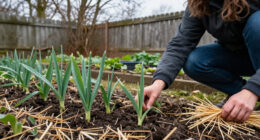
For that purpose, the guide recommends using no more than one inch of mulch, such as fallen leaves. It warns against thick coverings because blanket flowers have little tolerance for “wet feet,” and heavy mulch can contribute to oversaturated soil. The guide also says Gaillardia generally does not respond well to fertilization; decomposing leaves can provide a modest, gradual addition of nutrients.
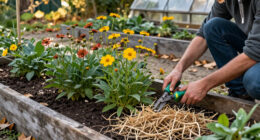
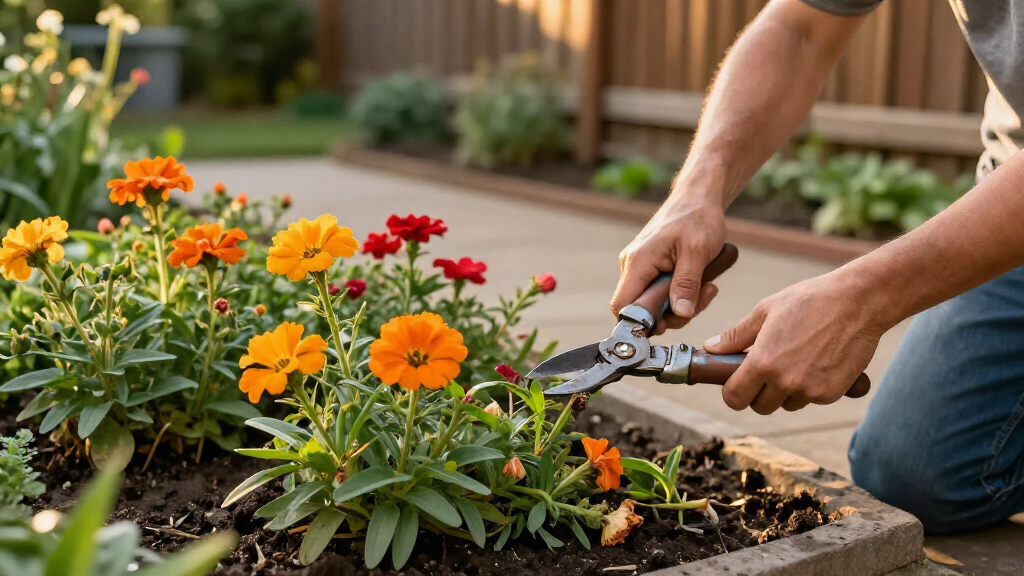
For gardeners who prefer a tidier winter bed, the guide advises waiting until after the first frost before pruning. Cutting plants back too early, it says, may encourage new growth and use up the plant’s energy reserves. Stems can be cut close to the base, leaving short stubs, or trimmed to about six inches so the clump remains visible in spring. Use sharp pruners or sturdy scissors.
Choosing a Winter Care Approach
The choice affects both the garden’s winter appearance and the work required in spring. Cutting back Gaillardia leaves a neater bed and can be helpful where plant material is crowded or fungal disease has been a concern. Leaving the stems standing means less fall cleanup and keeps seed heads and plant structure in the garden through winter.
The guide favors leaving plants intact as a way to provide winter interest and habitat for wildlife, with a spring haircut as an alternative to autumn pruning. That is a gardening preference rather than a requirement for plant survival. In either approach, the practical risk to avoid is excessive moisture around the roots, especially when adding mulch.
Popular right now

Ninja CREAMi 7-in-1 Ice Cream Maker, NC301

Vitamix 5200 Professional-Grade Blender, 64 oz. Container, Black

Ninja Foodi 10-Quart DualZone 6-in-1 Air Fryer, Black, DZ302
As an affiliate, we earn on qualifying purchases.
Gaillardia’s Cold and Wet Limits
Blanket flowers are native wildflowers in the Asteraceae family. The source describes them as easy-care perennials that flower in red, orange and yellow tones, and notes that they can reseed readily. Their ability to tolerate cold does not mean every variety has the same limits: the guide names Gaillardia × grandiflora ‘Mesa Yellow’ as an example of a cultivar that may be less cold-tolerant than some others.
The guide’s seasonal advice centers on the difference between cold protection and moisture management. A thin covering may offer insulation for plants at the northern edge of a cultivar’s range, while a heavy covering can hold too much moisture. It also notes that blanket flowers are relatively short-lived perennials: plants that have become weak or ragged may be removed before winter, with self-sown seedlings potentially taking their place.
Cultivar and Site Differences
The source gives a broad hardiness range, but the best protection depends on the cultivar and local conditions. It does not provide a variety-by-variety hardiness chart or specify how much insulation is needed for different winter temperatures. Gardeners should check the hardiness information for their own cultivar and consider whether their site tends to remain wet in winter.
The guide also does not establish that one pruning method is better for every garden. Leaving stems for wildlife and winter interest is presented as an option, while cutting back can suit gardeners seeking a tidier bed or dealing with disease concerns. The specific wildlife benefits and disease risks will depend on the garden and are not quantified in the source.
Fall Tasks and Spring Cleanup
Before winter, gardeners can collect seeds from dried flower heads and take cut flowers if desired. For plants they plan to prune, the guide recommends waiting until after the first frost, then choosing whether to leave short stubs or a clump about six inches tall. Those who leave plants standing can postpone trimming until spring.
As spring growth resumes, check whether the plants have survived and whether older clumps remain healthy. Remove weak or tired-looking plants if needed, and avoid adding heavy mulch around the roots. The source does not give a calendar date for spring pruning or a temperature threshold for winter protection, so timing will depend on local weather and the cultivar being grown.
Key Questions
Do blanket flowers need to be covered for winter?
Most varieties do not need special winter protection, according to the Gardener’s Path guide. It suggests considering a light mulch layer for plants near the colder edge of their cultivar’s hardiness range.
When should I cut back Gaillardia?
The guide recommends waiting until just after the first frost. It warns that pruning earlier may encourage new growth before winter.
How much mulch should I use?
If extra insulation is needed, use a light layer no more than one inch deep, such as leaves. Avoid heavy mulch because Gaillardia is sensitive to soggy soil.
Can I leave blanket flowers standing all winter?
Yes. The guide presents leaving plants in place as an option for winter interest and wildlife, with cleanup delayed until spring.
What if my blanket flower looks weak or ragged?
The guide says Gaillardia is often short-lived and that older plants may decline. You can remove weak plants before winter; the species’ tendency to reseed readily may provide new plants nearby.
Source: gardenerspath.com