TL;DR

Get garden gear delivered free — and shop member deals
- Fast, free delivery on millions of items
- Access to Prime Big Deal Days deals on October 6–7
- Prime Video, Amazon Music and more included
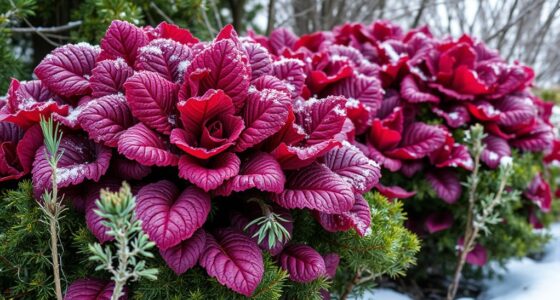
A Country Living report says deer may eat chrysanthemums in fall despite claims that the flowers are deer-resistant. As other food becomes scarce, fresh, watered mums can attract them; repellents, fencing and placing pots near the house may reduce damage, but results vary.
Deer may eat fall chrysanthemums even though the plants are often described as deer-resistant, a Country Living report says, as other food becomes less available and fresh garden mums remain easy to reach. The report outlines ways to discourage browsing, while stressing that no scent-based method is guaranteed to keep hungry deer away.
Christina Stembel, founder and chief executive of Farmgirl Flowers, told Country Living that deer eat a wide range of plants, including ones marketed as resistant. She said the mums’ scent does not reliably deter them. The report says mums can offer tender leaves and buds, along with moisture and nutrients, at a time when other foliage is drying back.
Gardeners can try commercial repellents or homemade sprays made with ingredients such as garlic and vinegar. The report says these approaches rely on strong odors and vary in effectiveness. It recommends following product directions and reapplying after rain or at the intervals specified; alternating repellents may help because deer can become accustomed to a scent.
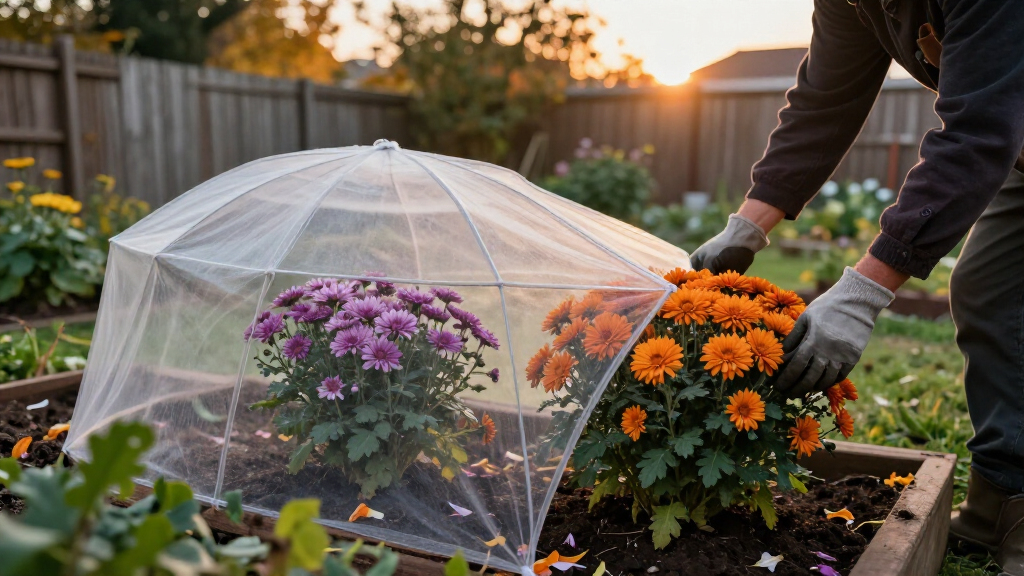
Other measures include putting potted mums close to the house, using a motion-activated sprinkler, and protecting plants with chicken wire or netting. A fence offers a more substantial barrier, though the report does not provide comparative evidence on the cost or effectiveness of these options.
Keeping Autumn Mums in Bloom
For gardeners, browsing can mean losing the flowers that make mums a prominent part of fall displays. Timing matters: the report says hardy mums nibbled earlier in the growing season may have time to regrow, but damage to buds in September or October can leave too little time for a full display before frost.
Stembel told Country Living that if a hardy mum’s roots remain healthy after late-season damage, gardeners can cut the plant back and mulch it, and it may return the following year. That advice is about the plant’s longer-term survival; it does not promise a fresh crop of showy blooms before winter.
As an affiliate, we earn on qualifying purchases.
Why Deer Browse Mums in Fall
The report describes autumn as a period when some of the deer’s usual food has dried up or been eaten. Freshly planted mums may stand out because they are watered and fertilized, with tender foliage and buds at a convenient height. These are the report’s explanation for why deer may browse them, rather than evidence that every deer will choose mums.
Country Living also cautions that labels such as “deer-proof” and “deer-resistant” should not be treated as guarantees. Stembel said that, in her experience, highly fragrant plants such as rosemary, lavender and eucalyptus were less likely to be eaten. She suggested Japanese anemones, sedum, Russian sage, salvia, agastache, marigolds, snapdragons, ornamental grasses, asters and goldenrod as other fall planting options. These are suggestions based on her experience, not a promise that deer will avoid them.
The report notes that deer are not the only potential source of damage. Groundhogs, voles, rabbits and slugs may eat mums; aphids, thrips and spider mites can also affect them. Squirrels and chipmunks may dig around plants while searching for places to bury food.
How Reliable Are the Deterrents?
The report does not compare deterrents in controlled trials or quantify how much damage each one prevents. Repellents, sprinklers and plant placement may help, but their results can vary by location and deer behavior. It is also not clear how often gardeners will need to replace or refresh each barrier throughout the season.
Plant suggestions are based on Stembel’s experience, and deer preferences can differ. The report does not establish that any listed flower is safe from browsing in every garden. Damage may also come from other animals or pests, which require different responses.
Protect Plants Before Frost
Gardeners seeking to preserve this season’s display can put pots close to the house and add a physical barrier, such as chicken wire or netting, while using repellents according to their labels. After rain, they should check whether a product needs reapplication. If late-season browsing has already damaged hardy mums, the report advises cutting them back and mulching them if their roots remain intact, then watching for regrowth the following year.
Whether the plants recover and bloom again depends on the damage and the time left before frost. The report gives no forecast for any particular garden, so gardeners will need to assess their own plants as the season progresses.
Key Questions
Do deer eat chrysanthemums?
They may. The Country Living report says mums marketed as deer-resistant can still be browsed, especially when other food is less available.
What can I do to protect fall mums?
Options in the report include repellent sprays, chicken wire or netting, and placing pots close to the house. A fence can provide a physical barrier. None of the suggested methods is presented as foolproof.
Will damaged mums grow back?
Hardy mums may return if their roots remain healthy. The report says gardeners can cut them back and mulch them, but late-season damage may leave too little time for a full display before frost.
Are any fall flowers guaranteed to be deer-resistant?
The report offers no guarantee. Stembel suggests flowers and plants including marigolds, snapdragons, sedum and asters, but says deer may eat plants labeled resistant.
What else might be damaging my mums?
The report lists rabbits, groundhogs, voles and slugs as possible eaters, along with aphids, thrips and spider mites. Squirrels and chipmunks may dig around plants.
Source: rss
Halloween Picks
halloween
As an affiliate, we earn on qualifying purchases.