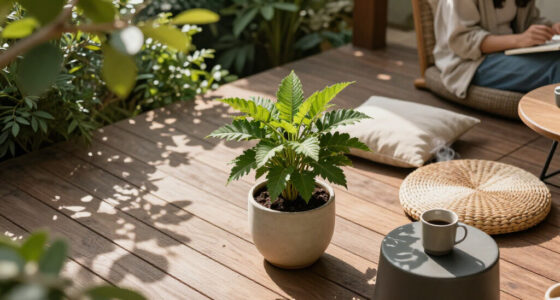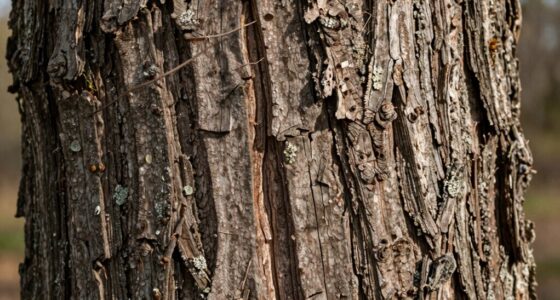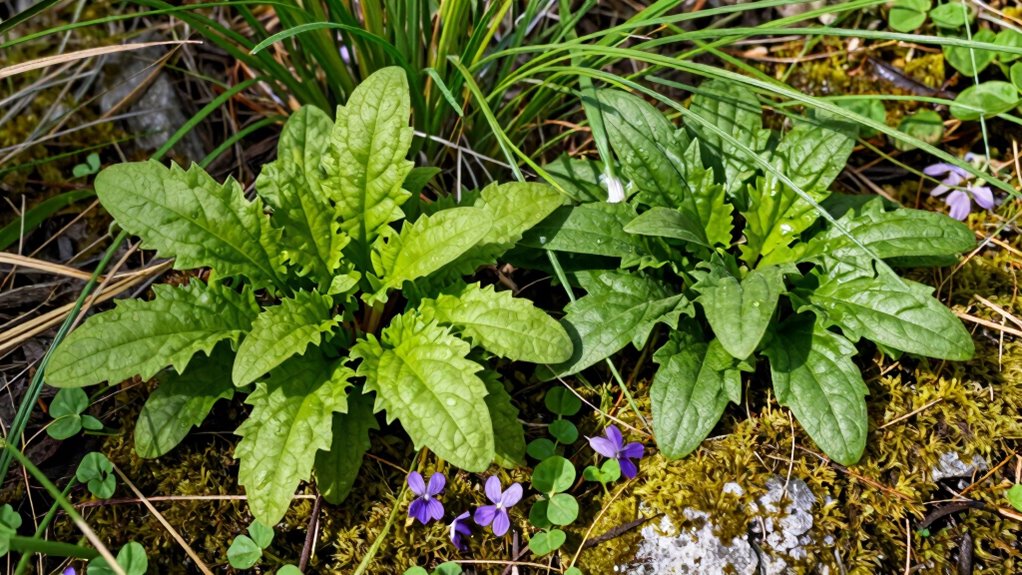

To notice edible plants in plain sight, stay alert and develop sharp observation skills. Pay close attention to plant features like leaf shape, color, texture, and growth patterns. Recognize habitat and seasonal clues, such as flowering or fruiting times. Cross-check your identifications with reliable guides or apps before consuming. Practice regularly to improve your confidence and quick recognition. Keep exploring, and you’ll become better at spotting safe, edible plants hidden in plain sight.
Open a free Amazon Business account
Business pricing, bulk buying and tax-exempt orders.
As an affiliate, we earn on qualifying purchases.
Key Takeaways
- Develop sharp observation skills by regularly scanning your environment for unusual plant features.
- Learn to recognize common edible plants’ distinctive leaves, stems, and flowering patterns.
- Pay attention to habitat cues, such as moist or sunny areas where edible plants often grow.
- Use field guides or apps to verify plant identities before considering consumption.
- Practice continuous learning through notes, photos, and consulting local experts for better recognition.
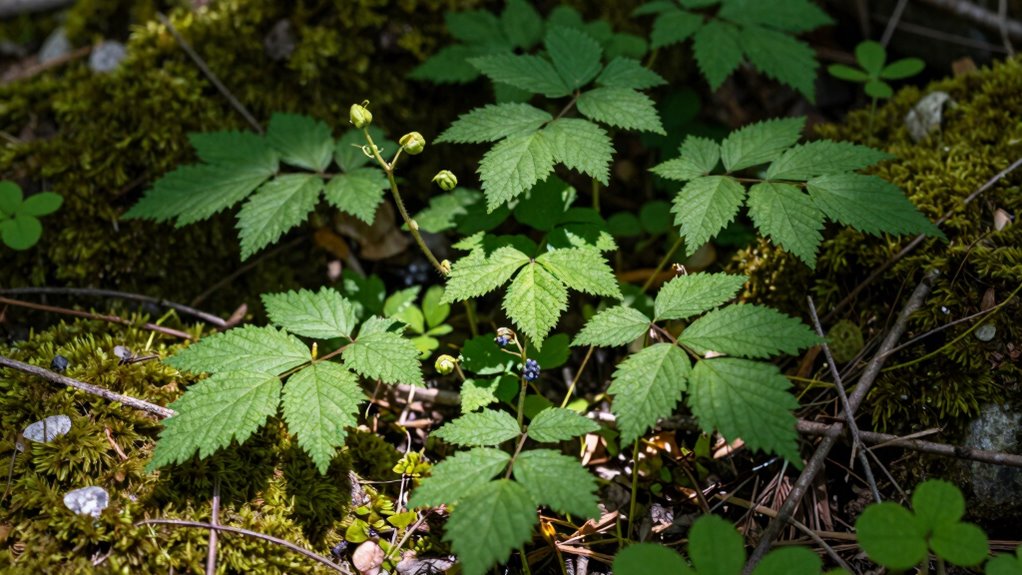
Discovering edible plants in the wild can be rewarding, but it requires keen observation and knowledge. When you’re out exploring, the key is to stay alert and attentive to your surroundings. Many edible plants blend seamlessly into their environment, so it’s vital to develop sharp eyes that can distinguish them from inedible or toxic look-alikes. Remember, foraging safety is paramount; never consume a plant unless you’re 100% sure of its identity. Misidentification can lead to serious health issues or even poisoning, so always double-check with reliable plant identification tips before taking any plant for culinary use.
Start by familiarizing yourself with common edible plants in your region. Focus on simple, recognizable features such as leaf shape, color, and growth patterns. For example, many edible greens have distinctive veins or textures that set them apart from toxic plants. Pay attention to the plant’s habitat—some edible species prefer moist areas, while others thrive in dry, sunny spots. Observing where plants grow can give you clues about their identity and safety. When you spot a plant that seems promising, approach cautiously. Use a field guide or plant identification app to compare your findings. These tools can help you verify the plant’s characteristics and guarantee accuracy.
Plant identification tips are essential for safe foraging. Look for unique features like leaf arrangement—are they opposite, alternate, or whorled? Notice the stem’s texture and color, as well as any flowers or fruit. Many edible plants have specific seasonal appearances, so timing your observations with their flowering or fruiting period increases your chances of correct identification. Additionally, understanding plant growth patterns can help distinguish edible varieties from inedible look-alikes. Recognizing how different plants adapt to their environments can further enhance your ability to identify them accurately. Incorporating knowledge about native plants and their typical habitats will make your foraging efforts more successful and safe. Keep in mind that some edible plants have toxic look-alikes, so always cross-reference multiple identification points. If there’s any doubt, don’t risk it. It’s better to leave a plant untouched than to consume something dangerous.
As you become more experienced, your ability to notice edible plants in plain sight will improve naturally. Practice regularly, take notes, and photograph plants for later study. Remember, the goal is to recognize safe, edible plants quickly and confidently. Always prioritize safety, and when in doubt, consult local foraging experts or trusted resources. By sharpening your observation skills and following plant identification tips, you’ll find that many edible plants are right there, hidden in plain sight, waiting for you to discover them safely and responsibly.
plant identification field guide
As an affiliate, we earn on qualifying purchases.
As an affiliate, we earn on qualifying purchases.
Frequently Asked Questions
Are All Plants That Look Edible Actually Safe to Eat?
Not all plants that look edible are safe to eat. Many plants can be toxic, so understanding plant toxicity is essential for foraging safety. Just because a plant resembles an edible one doesn’t mean it’s safe; some look alike but are poisonous. Always double-check identification through reliable sources, and never consume a plant unless you’re 100% sure of its safety. Prioritize caution to avoid dangerous mistakes.
How Can I Identify Edible Plants in Urban Environments?
Think of urban greenery as a hidden treasure map. You spot edible plants by paying attention to plant color patterns—vivid greens, reds, or purples often hint at edibility. Look for familiar shapes, like leafy greens or berry-like clusters, and observe their surroundings. Use a plant identification app or guidebook to double-check. Trust your instincts, but always verify—safety first in this city jungle!
What Seasons Are Best for Foraging Edible Plants?
Spring and early summer are the best seasons for foraging edible plants, as plant growth is at its peak and seasonal variations favor lush, tender greens. During these times, you’ll find many plants in their most nutritious state. Late summer and fall also offer abundant options, especially for fruits and roots. Paying attention to seasonal variations helps you identify when specific plants are most edible and plentiful.
Can I Mistake Poisonous Plants for Edible Ones?
You could mistake poisonous lookalikes for edible plants if you’re not careful, like confusing twins in a crowded room. Many edible plant myths lead to false confidence, so it’s essential to learn distinguishing features. Always double-check with reliable guides, and never assume a plant is safe based on appearance alone. Mistaking a poisonous lookalike for an edible one can be dangerous, so stay cautious and informed before foraging.
Are There Any Legal Restrictions on Foraging Wild Plants?
Yes, there are legal restrictions on foraging wild plants. You need to check local laws because some areas require foraging permits or prohibit collecting certain species to protect ecosystems. Always research regulations before you start foraging to avoid fines or legal issues. Remember, respecting property boundaries and protected lands is essential. By following these rules, you can enjoy foraging responsibly and sustainably while staying within the law.
Conclusion
By paying close attention to your surroundings and learning to identify common edible plants, you can uncover food sources hidden in plain sight. Some theories suggest that early humans thrived by foraging these plants, which were abundant and accessible. It’s likely that our ancestors relied on this knowledge for survival, a practice that still holds value today. So stay curious, observe carefully, and you might just find nature’s hidden pantry right outside your door.
Flea & tick season Picks
flea and tick prevention
As an affiliate, we earn on qualifying purchases.